In the sweltering heat of a Washington summer, where the pace of legislation often slows to match the rising temperatures, a sudden demand from the White House has injected a dose of high-stakes drama into the Capitol. President Donald Trump has called on Senate Majority Leader John Thune to cancel the chamber’s traditional August recess until a contentious voting bill is passed. This ultimatum, delivered with characteristic force, challenges the long-standing rhythms of congressional life and underscores the intense pressure surrounding electoral reform in an election year.
The request highlights a fundamental tension between executive ambition and legislative independence. For senators who have planned months around the August break—a time for constituent engagement and rest—the president’s demand represents a significant disruption. It raises questions about the balance of power and the practicalities of governing in a polarized era.
Body: The bill in question, often referred to as the SAVE Act or similar voter integrity measures, aims to impose stricter requirements on voter registration and identification. Supporters argue that these changes are essential to prevent fraud and restore public confidence in the electoral system. They view the legislation as a cornerstone of national security and democratic integrity.
However, opponents contend that the bill creates unnecessary barriers to voting, particularly for marginalized communities. They argue that existing safeguards are sufficient and that the proposed changes could suppress turnout. This ideological divide has made bipartisan consensus elusive, leaving the Senate in a stalemate despite the president’s urgent call for action.
Majority Leader Thune has faced a delicate task in managing both the president’s expectations and the diverse priorities of his caucus. While some Republican senators share the president’s enthusiasm for the bill, others are wary of the political fallout or have reservations about specific provisions. The demand to cancel the recess adds another layer of complexity to an already challenging legislative environment.
The August break is more than just a vacation; it is a critical period for senators to connect with their constituents, attend local events, and gather feedback. Canceling it would disrupt these vital interactions, potentially alienating voters who value accessibility and responsiveness from their elected officials. For many, the break is a necessary reset before the final push of the legislative session.
Public reaction to the president’s demand has been mixed. His base views it as a sign of strong leadership and commitment to election security, while critics see it as an overreach that disregards the institutional norms of the Senate. The debate has spilled onto social media and news outlets, reflecting the broader national conversation about voting rights and government authority.
Historical precedents for such demands are rare. While presidents have occasionally urged Congress to stay in session during crises, forcing the cancellation of a scheduled recess for a single piece of legislation is unusual. It tests the resilience of congressional traditions and the willingness of lawmakers to resist executive pressure.
As the deadline approaches, negotiations continue behind closed doors. Compromises may be sought to allow some progress on the bill without requiring a full cancellation of the break. The outcome will depend on the ability of leaders to find common ground amidst competing pressures.
For the American public, the spectacle serves as a reminder of the complexities of democracy. It highlights the checks and balances that define the system, even when they lead to friction and delay. The process, though messy, ensures that diverse voices are heard.
Closing: President Trump’s demand to cancel the Senate’s August break underscores the high stakes of voting legislation. It invites reflection on how democratic institutions navigate pressure while maintaining their integrity and functionality.
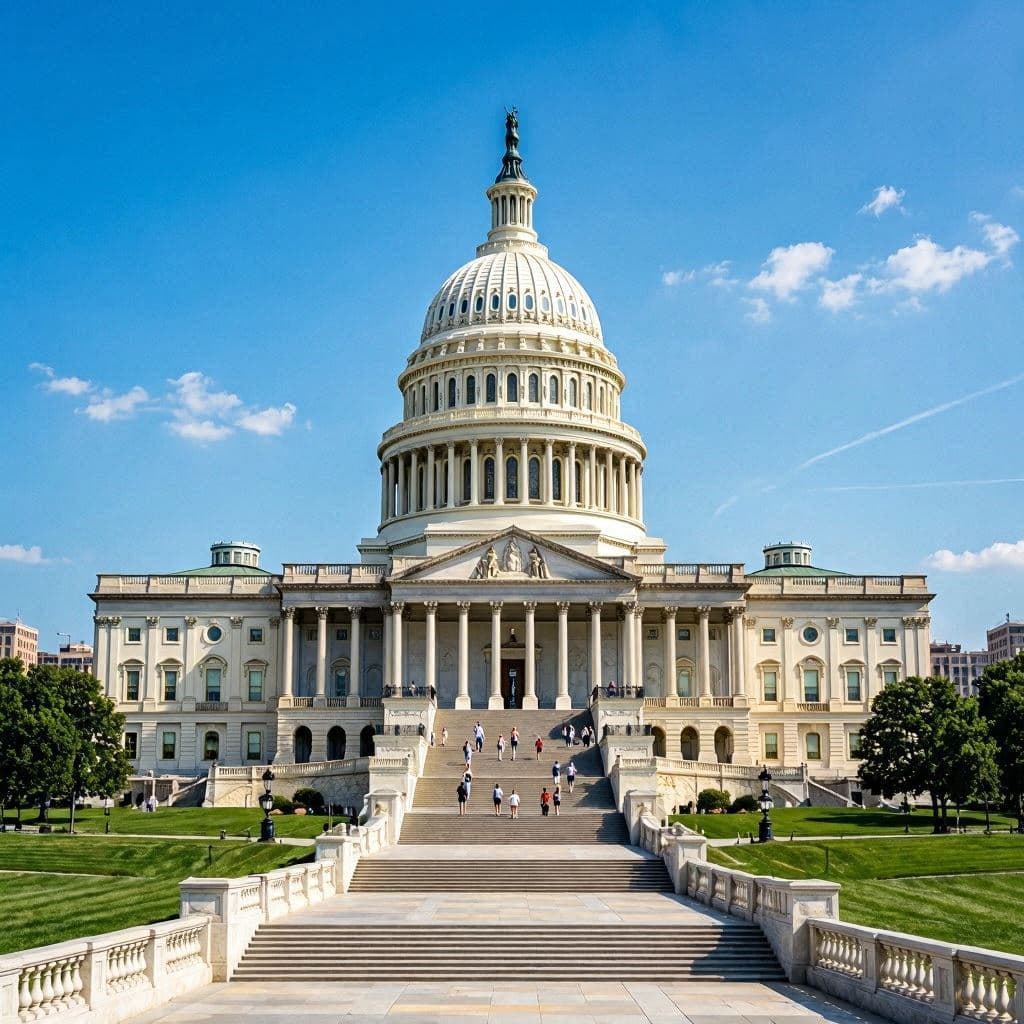
AI Image Disclaimer: The visuals accompanying this article are AI-generated illustrations designed to reflect the themes of political pressure and legislative process.
Sources: Yahoo News Lowell Sun Campaign Legal Center Congress.gov
Published by Banx Network. This article is part of the Banx decentralized media programme, powered by the BXE token on the XRP Ledger.