The Atlantic Ocean has long moved like a quiet heartbeat beneath the surface of the planet, steady and unseen, guiding climates and seasons with subtle persistence. Yet recent scientific findings suggest that this rhythm may not be as resilient as once believed, raising questions about the stability of a system that has shaped life across continents for centuries.
At the center of concern is the Atlantic Meridional Overturning Circulation (AMOC), a vast system of ocean currents that transports warm water northward and cold water southward. This circulation plays a crucial role in regulating temperatures, particularly across Europe and North America.
Recent studies indicate that the likelihood of a significant weakening—or even collapse—of this current may be higher than earlier estimates suggested. Scientists have been examining both historical climate data and modern simulations, revealing patterns that hint at growing instability.
One of the key drivers behind this concern is the increasing influx of freshwater from melting ice sheets and glaciers. As this freshwater dilutes the salty ocean, it can disrupt the density-driven mechanisms that keep the AMOC flowing.
Researchers note that while a complete collapse remains uncertain, the system may be approaching thresholds that were once thought distant. The consequences of such a shift could include altered weather patterns, cooler temperatures in parts of Europe, and rising sea levels along the eastern coast of North America.
Importantly, the research does not suggest an immediate or sudden change. Instead, it highlights a gradual process that could unfold over decades, making it both difficult to detect in real time and challenging to reverse once underway.
Climate models continue to evolve, and with them, the understanding of how interconnected Earth’s systems truly are. Scientists emphasize that the AMOC is not an isolated phenomenon but part of a broader climate network influenced by human activity.
The findings underscore the importance of continued monitoring and international collaboration, as researchers work to refine predictions and better understand the risks involved.
While uncertainty remains, the growing body of evidence encourages careful attention to a system that has quietly shaped the world’s climate, reminding policymakers and communities alike of the importance of long-term environmental stewardship.
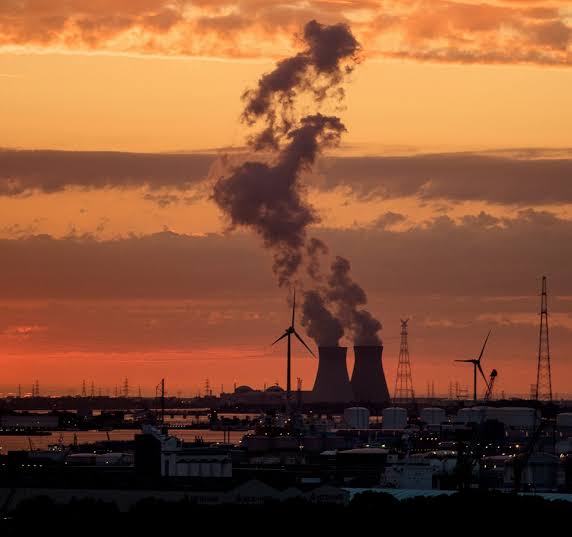
AI Image Disclaimer: Some visuals in this article are AI-generated to illustrate oceanic and climate processes.
Sources: Nature The Guardian BBC NASA Climate
Published by Banx Network. This article is part of the Banx decentralized media programme, powered by the BXE token on the XRP Ledger.