January often arrives with familiar anxieties in the Philippines: rain-soaked memories of past outbreaks, clinics preparing for seasonal surges, communities bracing for what warmer months might bring. Yet this year, the numbers tell a quieter story. The Department of Health recorded just over 7,400 dengue cases nationwide in January, a figure that marks a sharp 71 percent drop compared with the same period last year.
Behind the statistic is a shift in rhythm. Hospitals that once saw wards fill early in the year reported fewer admissions. Surveillance reports traced fewer clusters, fewer sudden spikes, fewer alarms triggered across regions. For health officials accustomed to dengue’s cyclical return, the decline stands out not as an absence of risk, but as a pause in a long-running pattern.
Several factors are believed to be at work. Weather conditions were less favorable for mosquito breeding in many areas, limiting early transmission. At the same time, intensified vector-control campaigns—cleanup drives, larval source reduction, and community education—continued into the new year rather than fading after the holidays. The result appears to be fewer opportunities for the virus to move from insect to human.
The Department of Health has been careful in framing the data. A decline does not signal an end to dengue’s threat, nor does it guarantee the trend will hold. Dengue remains deeply tied to climate, urban density, and human behavior. A single stretch of heavy rain or lapses in prevention can quickly reverse gains, turning calm into congestion once more.
Public health officials emphasize vigilance rather than celebration. January’s lower case count offers reassurance, but also a reminder of how quickly conditions can change. Historically, dengue cases tend to rise as the year progresses, peaking during the rainy season when stagnant water becomes abundant and mosquitoes multiply with ease.
For communities, the numbers carry a quieter message. Prevention works best when it becomes routine—when clearing containers, covering water storage, and seeking early treatment feel as ordinary as daily chores. The decline suggests that sustained attention, rather than reactive fear, can alter outcomes.
As February unfolds, the data remains provisional, a snapshot rather than a conclusion. Still, in a public health landscape often dominated by surges and shortages, the drop offers something rare: evidence that collective effort can bend a familiar curve downward. Whether that bend endures will depend on what happens next, long after January’s figures fade into the background.
AI Image Disclaimer
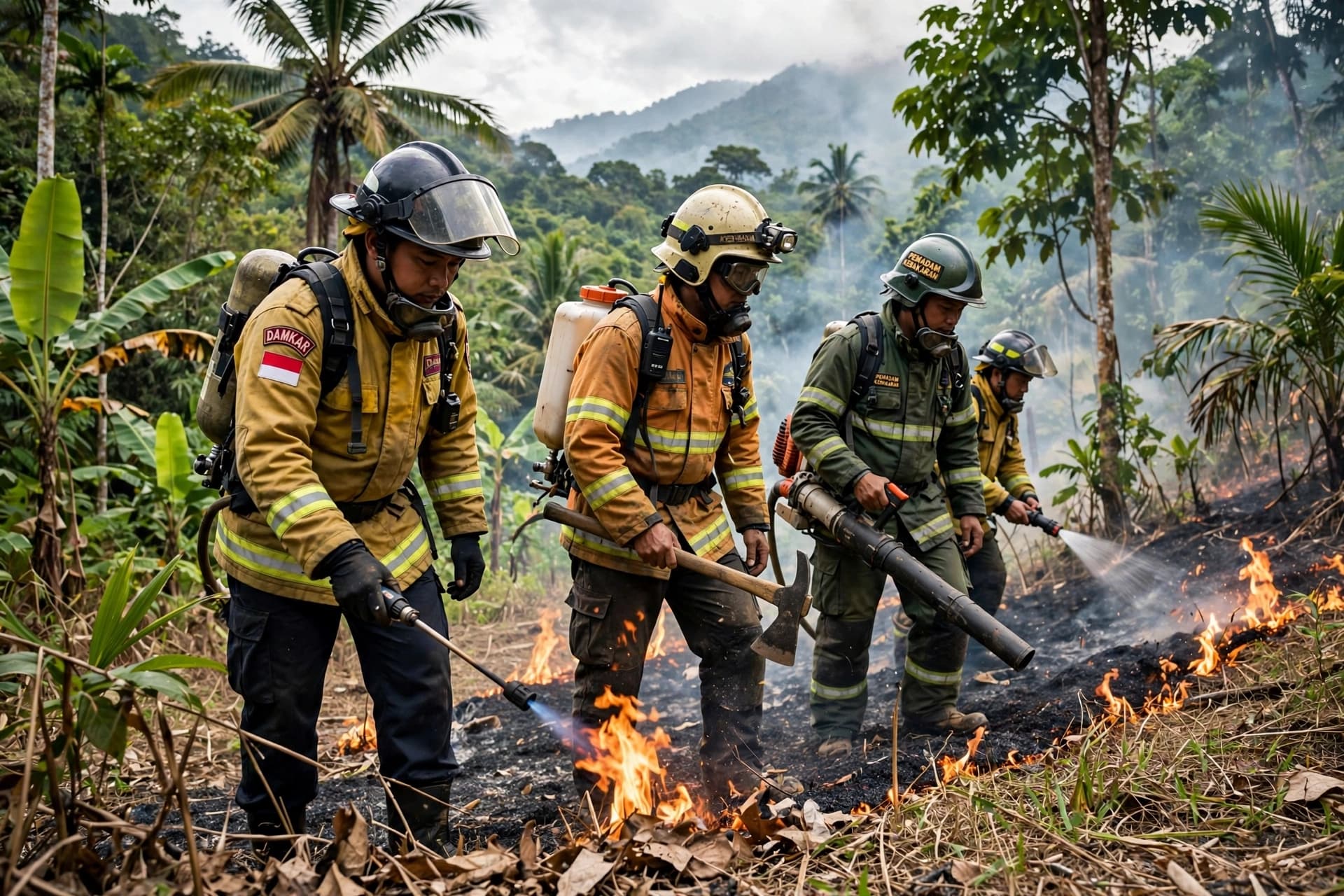
Illustrations were created using AI tools and are not real photographs.
Sources
Department of Health Philippines World Health Organization UNICEF Philippine News Agency
Published by Banx Network. This article is part of the Banx decentralized media programme, powered by the BXE token on the XRP Ledger.