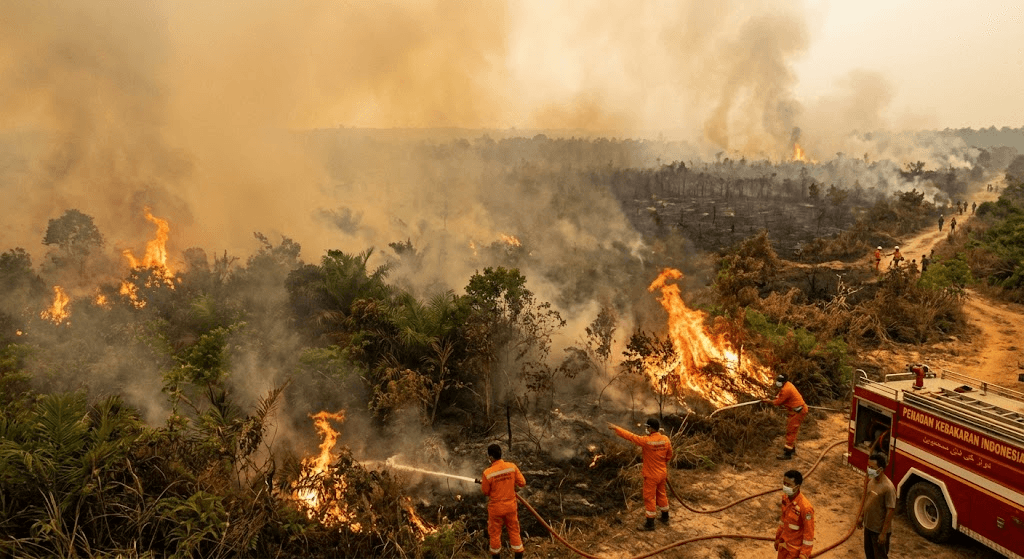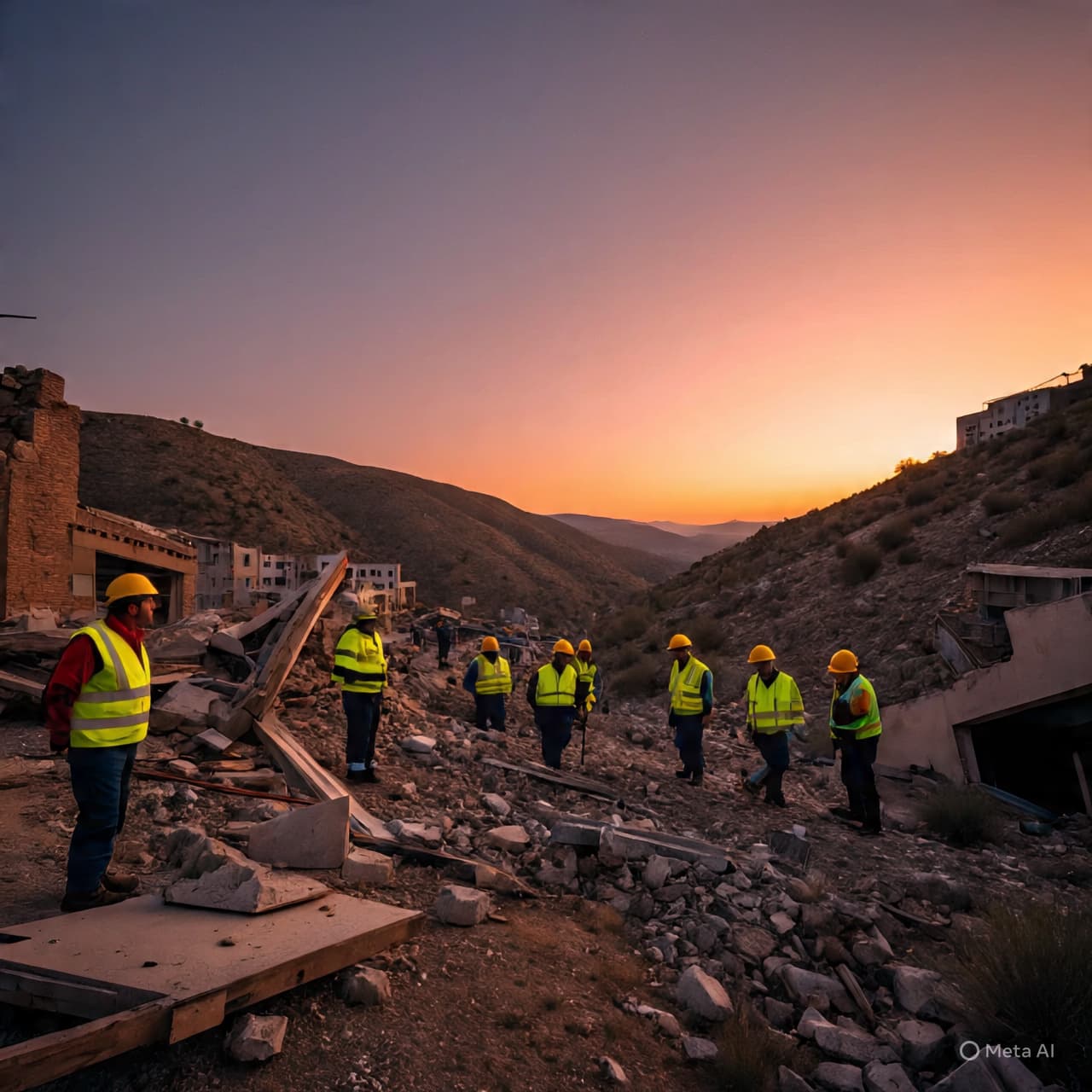
On a winter’s afternoon, when the sky over Lebanon’s valleys was pale with the promise of rain, the light of ordinary days was pierced by the abrupt burst of distant thunder. In places where families once moved through their hours with gentle rhythm, the sudden roar of aircraft and explosions became an unwelcome punctuation to life. In the span of a single day, the resonance of conflict returned — marking not just splintered walls and shattered glass, but lives that will carry these moments into the years ahead. Friday’s series of strikes across eastern and southern Lebanon claimed at least 12 lives, local health authorities reported, an imprint of grief on communities already tempered by years of instability and tension. In the Bekaa Valley’s gentle undulations, homes and streets bore the marks of the strikes that authorities said targeted command centers tied to armed groups operating in the region. Among the dead was, according to some Lebanese accounts, a figure connected to one of the prominent groups whose shadow stretches across Lebanon’s political and military landscape. Farther south, in the sprawling Ain el-Hilweh camp — home to generations of Palestinian families — another strike deepened both shock and sorrow. That enclave, where daily life and history are woven in close quarters, saw two more lives extinguished, and several others wounded. International reporting cited statements from the Israeli military that these actions were directed at a site they identified as linked to militant operations, a claim disputed by local voices who described the location as being used for general community purposes. The echoes of these explosions did not fade with the setting sun. Hospitals in the region worked through the evening treating dozens wounded, some of them children whose evenings had begun like any other — with laughter and shared meals — only to be interrupted by disbelief. Neighbors leaned on one another; volunteer responders sorted through debris; families began the somber task of identifying loved ones whose absence would be felt more acutely with each passing hour. Across the broader region, these events resonate against a backdrop of fragile peace attempts and recurrent flare-ups. A ceasefire brokered in late 2024 brought moments of calm, yet it never fully erased the tension that threads through Lebanese politics and society, nor the memories of earlier confrontations that etched deep scars in towns and villages along Lebanon’s frontiers. Voices from Beirut to the Bekaa Valley spoke in the hours that followed — not in grand declarations, but in small soft lamentations for the lives interrupted, for futures redirected, for children now carrying a new weight of memory. Evening prayers rose as they have for generations, and the land listened in quiet solidarity, as if hoping that the night might usher in a different dawn.
AI Image Disclaimer (rotated wording)
“Visuals are created with AI tools and are not real photographs.”
---
Sources (media names only)
Al Jazeera Associated Press (AP News) Sky News CNN Indonesia IMEMC News
Published by Banx Network. This article is part of the Banx decentralized media programme, powered by the BXE token on the XRP Ledger.