There are seasons that promise refreshment and renewal — winters that weave blankets of snow across mountains, and springs that draw life from their melting embrace. In Colorado, however, this winter has offered far less of that seasonal promise. State water officials and monitors are now warning that persistently low snowpack levels could lead to water restrictions across the state later this year, as reservoirs and river forecasts strain under unusually dry conditions.
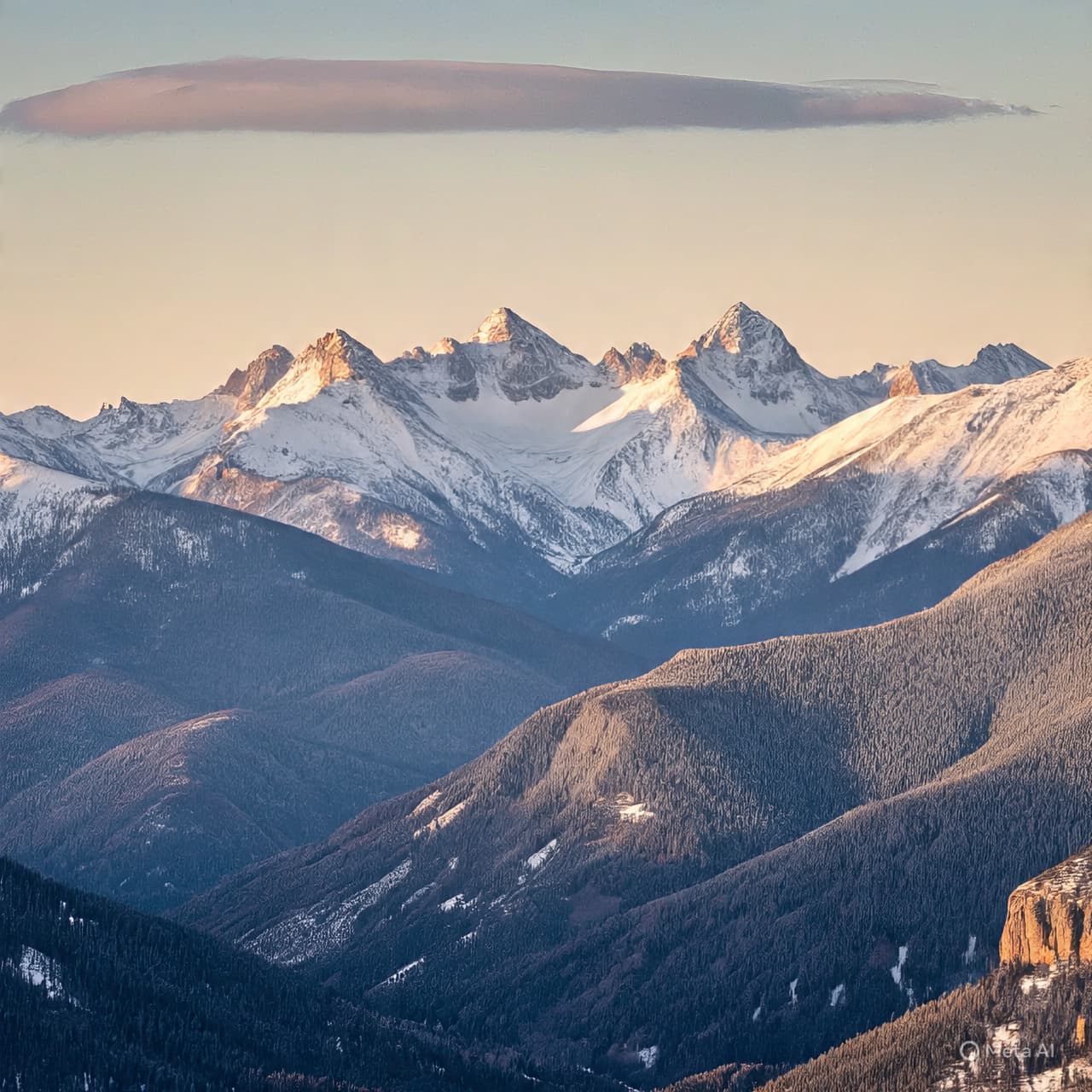
Across Colorado’s high country, where mountain snows historically collect and slowly release their bounty into rivers and reservoirs, the patterns this season have been startlingly different. Snow totals are far below normal for early February, with snowfall amounts in some basins measuring near historic lows and well under typical levels for this time of the year. In one part of the state, snowpack has registered its lowest level ever recorded for that basin so early in the season. Even southwest regions that usually gather deep winter snow remain conspicuously bare.
“We should have been building snowpack, and we were just seeing these long lulls of no storms and no snowpack accumulation,” said one water supply manager, underscoring how persistent dryness has replaced the steady storms that usually fill snow measurement sites in the mountains. Because Colorado’s water system relies heavily on spring runoff from snowmelt, this deficit carries consequences far beyond ski slopes and outdoor recreation: it directly affects the amount of water available later in the year for cities, farms, ecosystems, and fire mitigation efforts.
Reservoir levels — while not yet critically low — already reflect this shortfall. Key storage systems that normally hold a buffer of water for dry summer months are lagging behind typical levels for this point in the water year. Water managers note that even significant storms now, while helpful, would be unlikely to fully close the gap created by months of underwhelming snowfall.
Given this backdrop, officials say it is prudent for residents and communities to prepare for the possibility of formal water restrictions in the coming months. Last summer’s drought conditions are fresh in memory, and leaders across water districts emphasize conservation measures such as reducing indoor usage, fixing leaks, and tailoring landscaping to dry‑climate needs. Some smaller towns and regions in western Colorado have already considered or implemented early restrictions to ease demand on limited supplies.
Experts also point out that this year’s snow drought — a term used when snowpack sits unusually low compared to historical norms — is part of a broader pattern affecting much of the Western United States, where higher temperatures and early melts can accelerate snow loss and shrink the volume of spring runoff.
For now, the winter still has weeks to go, and a dramatic turnaround could alter the water outlook. But water monitors caution that without substantial late‑season snowfall, Colorado could face a season unlike most in recent decades — one where the white peaks that nourish rivers remain thin and the summer demand for water outpaces the supply.
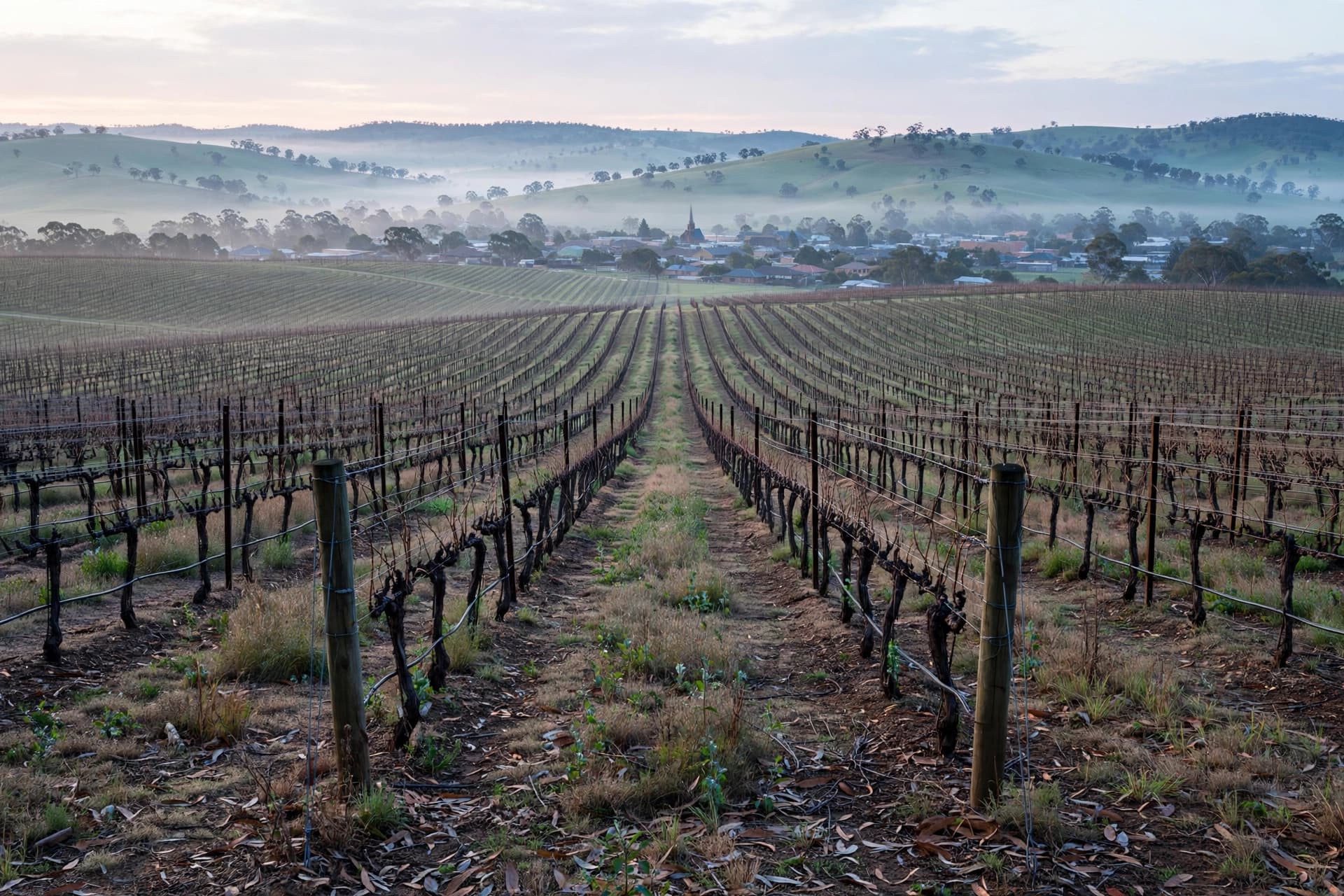
AI Image Disclaimer (Rotated Wording) Visuals in this article were produced with AI and are intended as conceptual visuals, not actual photographs.
Sources CBS Colorado (report on predicted water restrictions due to low snowpack) CBS Colorado (context on statewide snowpack levels and drought concerns) Colorado Public Radio (communities considering water limits amid drought) CPR News (drought and snowpack effects on Western water supplies)
Published by Banx Network. This article is part of the Banx decentralized media programme, powered by the BXE token on the XRP Ledger.