There are moments in the life of a region when the sky itself seems to carry unease. The mountains along the frontier between Pakistan and Afghanistan have long stood as silent witnesses to history—empires passing, flags changing, promises made and broken in the wind. And yet, even for landscapes accustomed to tension, the sound of aircraft overhead can feel like a reminder that peace remains fragile, like glass balanced on stone. Reports have emerged that Pakistani airstrikes were carried out inside Afghan territory, targeting what officials describe as militant hideouts. The strikes, according to multiple international outlets, were aimed at groups Islamabad accuses of staging cross-border attacks. Afghan authorities, however, have expressed strong objections, describing civilian harm and violations of sovereignty. As so often happens in this rugged corridor of geopolitics, truth arrives layered, and narratives travel on parallel tracks. For Pakistan, the argument is framed in the language of security. Islamabad has repeatedly stated that armed groups operating from Afghan soil have intensified attacks within its borders. The tension is tied in part to the presence of Tehrik-i-Taliban Pakistan, or Tehrik-i-Taliban Pakistan, which Pakistan considers a direct threat to its stability. Officials insist that cross-border militancy cannot be left unanswered, especially as domestic security concerns mount. Afghanistan’s de facto authorities, led by the Taliban, reject the accusation that they allow foreign militants to operate freely. Kabul has characterized the reported airstrikes as an infringement on national sovereignty and warned that such actions risk deepening instability. Civilian casualties, if confirmed, would further strain an already delicate relationship between two neighbors bound by geography and history. The border between these countries, often referred to as the Durand Line, has never been merely a line on a map. It is a seam stitched through tribes, languages, and shared pasts. In such terrain, military action does not echo only in valleys; it reverberates through diplomacy, humanitarian conditions, and regional calculations. Each strike, each protest note, becomes part of a larger story about trust and mistrust in South Asia. The broader regional context cannot be ignored. Since the Taliban’s return to power in Kabul in 2021, security dynamics have shifted dramatically. Pakistan initially sought cooperative engagement, hoping for assurances against anti-Pakistan militant groups. Yet mutual suspicion has grown, as attacks inside Pakistan continue and Kabul resists claims of complicity. The result is a relationship that appears caught between cautious dialogue and sharp recrimination. International observers watch carefully. Cross-border military operations risk escalation, especially in a region already burdened by economic hardship and humanitarian strain. Afghanistan faces profound internal challenges—economic isolation, limited recognition, and widespread poverty. Pakistan, meanwhile, navigates its own political and economic pressures. In such a climate, the margin for miscalculation narrows. Still, history in this region has shown that even amid turbulence, channels of communication tend to reopen. Diplomacy in South Asia often moves quietly, away from headlines. Whether the current tensions harden into prolonged confrontation or soften into renewed negotiation may depend less on public statements and more on sustained back-channel efforts. For now, the skies over the frontier carry both the memory of what has happened and the uncertainty of what may follow. Governments will weigh security against sovereignty, retaliation against restraint. And civilians—too often the unintended center of such confrontations—will hope that the thunder overhead gives way to quieter winds.
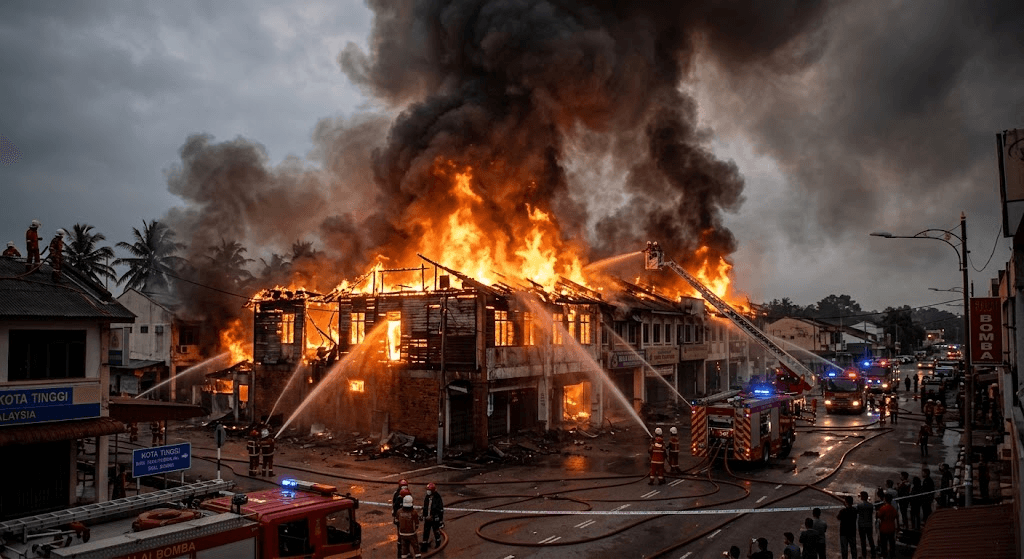
AI Image Disclaimer
Visuals are created with AI tools and are not real photographs.
---
Sources
Reuters Al Jazeera BBC News Associated Press (AP News) The Guardian
Published by Banx Network. This article is part of the Banx decentralized media programme, powered by the BXE token on the XRP Ledger.