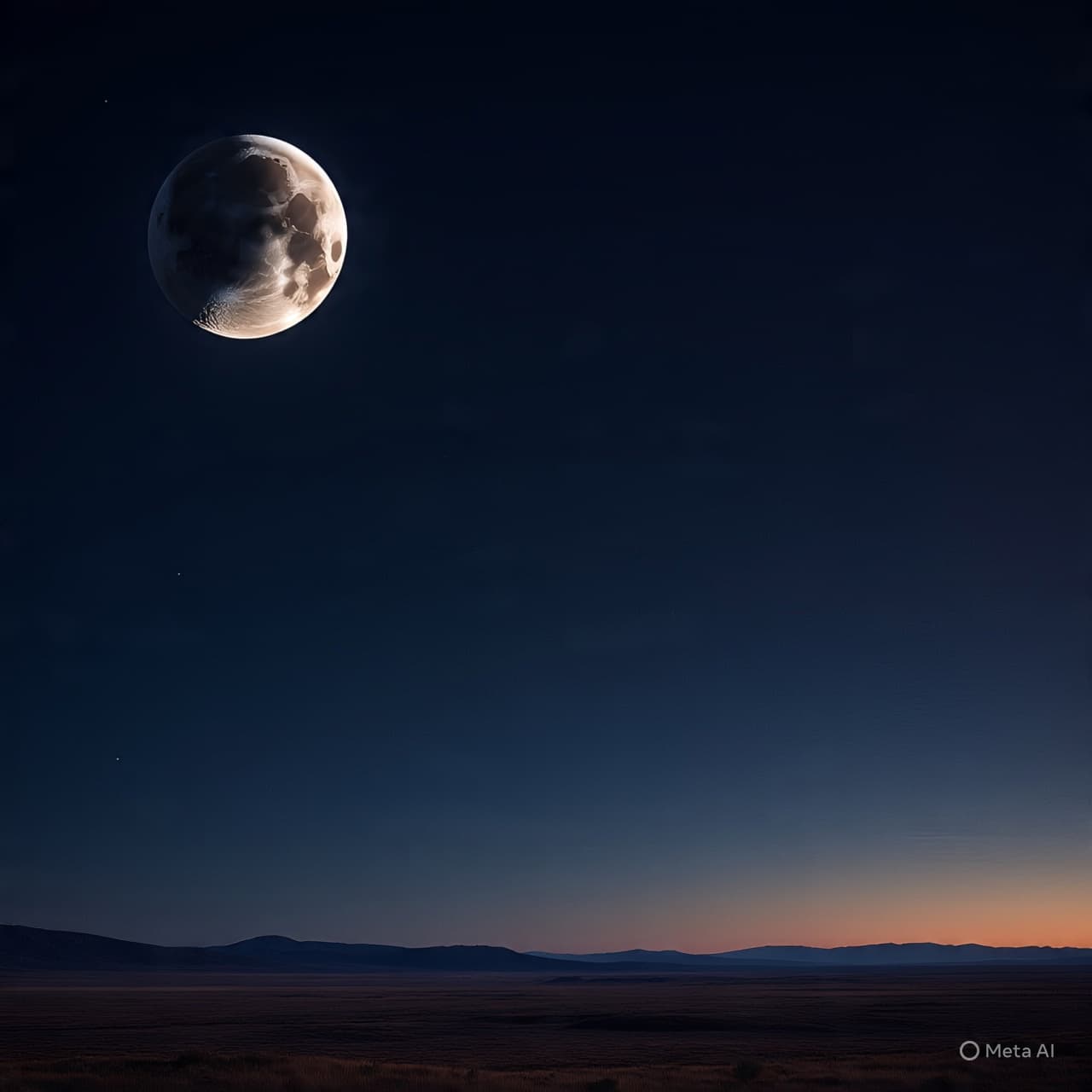
There are nights when the sky seems to hold its breath. The moon, so familiar in its pale constancy, begins to change in ways that feel both ancient and newly astonishing. On Tuesday, across several continents, a total lunar eclipse will unfold — a quiet celestial alignment that will gradually turn the moon a deep, coppery red.
Unlike the sudden drama of a solar eclipse, a lunar eclipse moves with patient grace. The Earth positions itself directly between the sun and the moon, casting its shadow outward into space. As the moon slips fully into Earth’s umbra, sunlight no longer strikes it directly. Yet it does not disappear. Instead, it glows with a subdued crimson hue, earning the evocative nickname “blood moon.”
This transformation is not the result of mystery but of atmosphere. As sunlight passes through Earth’s air, shorter blue wavelengths scatter while longer red wavelengths bend and travel onward, gently illuminating the moon’s surface. The same physics that paints our sunsets in warm tones also colors the eclipsed moon. In that sense, a lunar eclipse gathers all the world’s dawns and dusks and reflects them back into the night sky.
Astronomers note that total lunar eclipses are safe to observe with the naked eye and unfold over several hours. The event will be visible across parts of the Americas, Europe, Africa, and portions of Asia, depending on local time and weather conditions. Observers in clear skies will first notice a subtle dimming, followed by a gradual encroachment of shadow, until the moon is fully immersed in red.
Each eclipse varies slightly in shade and intensity. Dust or particles in Earth’s atmosphere — from volcanic activity or pollution — can deepen or lighten the color. Sometimes the moon appears brick red; at other times, it carries a softer amber glow. These variations add to the quiet individuality of each event.
Beyond visual spectacle, lunar eclipses also provide opportunities for scientific observation. Changes in brightness and coloration allow researchers to study atmospheric composition and light scattering in subtle ways. For many, however, the significance is more personal than analytical. Communities gather, cameras tilt upward, and conversations pause as the moon shifts before their eyes.
The regularity of celestial mechanics does not diminish their wonder. In fact, it may deepen it. That such alignments can be predicted centuries in advance speaks to the precision of orbital motion, while their lived experience still feels intimate and immediate.
According to space agencies and astronomical observatories, Tuesday’s total lunar eclipse will reach its peak during late-night or early-morning hours, depending on region. Viewing times and visibility maps have been published to help observers plan accordingly. Weather permitting, the event will require no special equipment — only patience and a clear horizon.
As the shadow slowly recedes and the moon regains its familiar brightness, the night will return to its usual rhythm. Yet for a brief span, the sky will have reminded us that even the most constant companions can surprise us with a different shade of light.
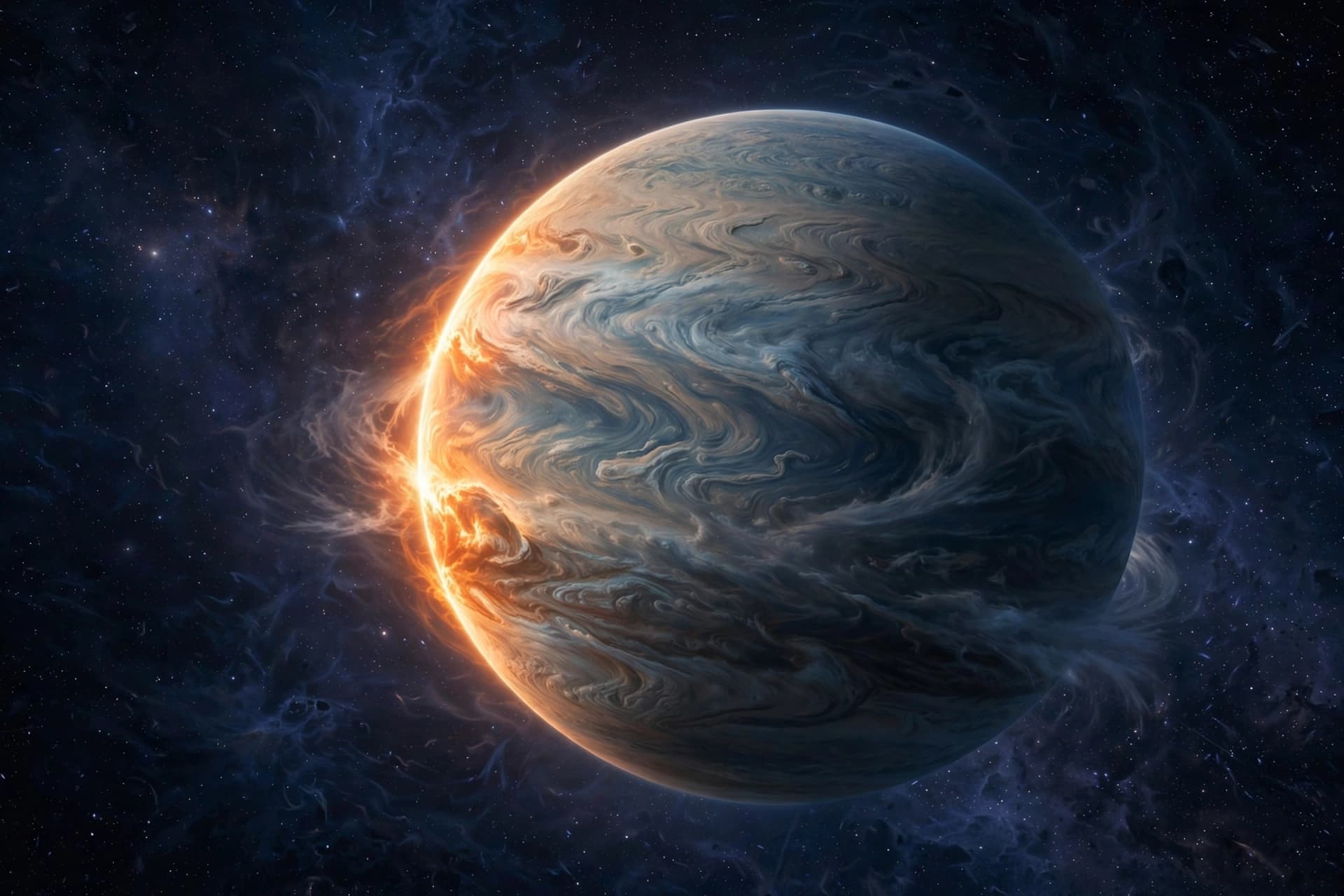
AI Image Disclaimer Visuals are created with AI tools and are not real photographs.
Sources NASA Space.com BBC News The Guardian Timeanddate.com
Published by Banx Network. This article is part of the Banx decentralized media programme, powered by the BXE token on the XRP Ledger.