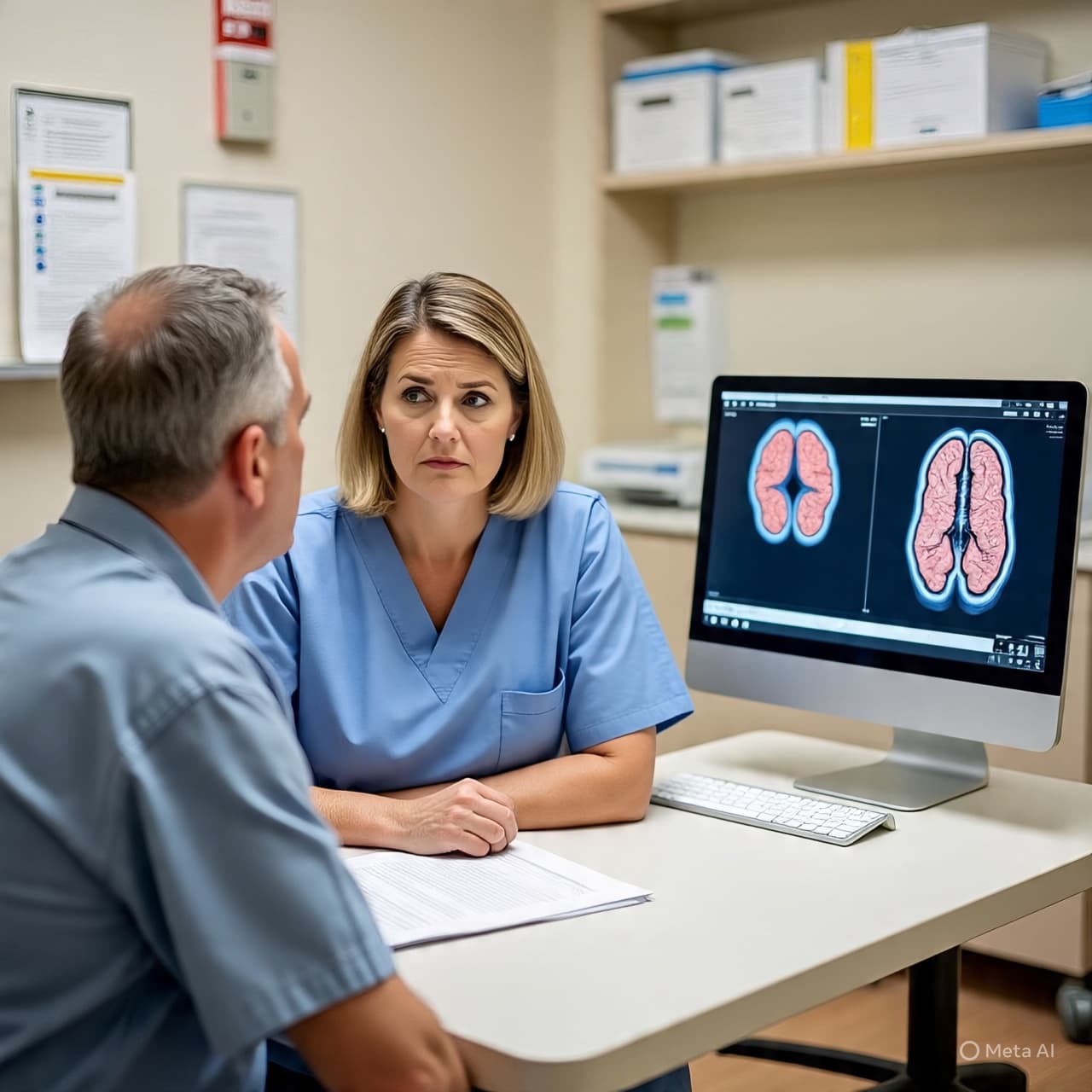
In matters of the mind and nervous system, time carries a particular gravity. A tremor unexplained, a persistent headache, a sudden lapse in memory—these are not merely symptoms but quiet questions that seek clarity. When answers are delayed, uncertainty lingers. And in , a growing conversation is unfolding about whether there are enough specialists to meet that need.
Health leaders and professional bodies have described a “shortage” of neurologists across parts of the country, pointing to rising demand and limited workforce capacity. Neurology is a highly specialized field, requiring years of training beyond general medical practice. As populations age and awareness of neurological conditions grows, referrals have steadily increased.
Conditions such as epilepsy, multiple sclerosis, Parkinson’s disease, and chronic migraine require careful evaluation and ongoing management. Yet in several regions, patients face extended wait times for specialist appointments. Public health services, which aim to provide equitable access, must prioritize cases based on clinical urgency. As a result, non-urgent referrals can experience significant delays.
Workforce data suggests that New Zealand has fewer neurologists per capita compared to some other developed nations. Recruitment challenges, geographic distribution, and global competition for specialists all play a role. Smaller cities and rural areas are particularly affected, where attracting and retaining highly trained clinicians can be more difficult.
The issue is not solely numerical. Neurologists often manage complex cases that require lengthy consultations, diagnostic imaging, and multidisciplinary collaboration. Even a modest increase in patient volume can strain clinic schedules. Hospital services may also feel the impact, as neurologists support stroke units, emergency assessments, and inpatient care.
Health authorities have acknowledged these pressures. Efforts are underway to expand training pathways, streamline referral systems, and incorporate telehealth where appropriate. Digital consultations have offered some relief, especially for follow-up appointments, though initial assessments often require in-person evaluation.
Professional associations have noted that workforce planning must anticipate future demand rather than respond only to current shortages. With neurological conditions expected to rise alongside aging demographics, forward-looking strategies are essential. This includes not only training more specialists but supporting nurse practitioners, physician assistants, and allied health professionals who can assist in patient management.
Patients, meanwhile, navigate the system as best they can. For some, private consultations provide faster access, though at additional cost. For others, patience remains the only option. The conversation around shortage is therefore not only about numbers, but about access, equity, and confidence in care.
Officials continue to review workforce projections and healthcare funding allocations, emphasizing that improving specialist access remains a priority. While no immediate resolution is likely, discussions between medical colleges and health authorities are ongoing.
In the end, the concern is measured and shared: how to ensure that those seeking neurological care are seen in a timely manner. The challenge is complex, but it is being actively addressed within policy and planning circles across the country.
AI Image Disclaimer Illustrations were produced with AI and serve as conceptual depictions.
Source Check — Credible Media Coverage Exists:
RNZ The New Zealand Herald Stuff BBC The Guardian
Published by Banx Network. This article is part of the Banx decentralized media programme, powered by the BXE token on the XRP Ledger.