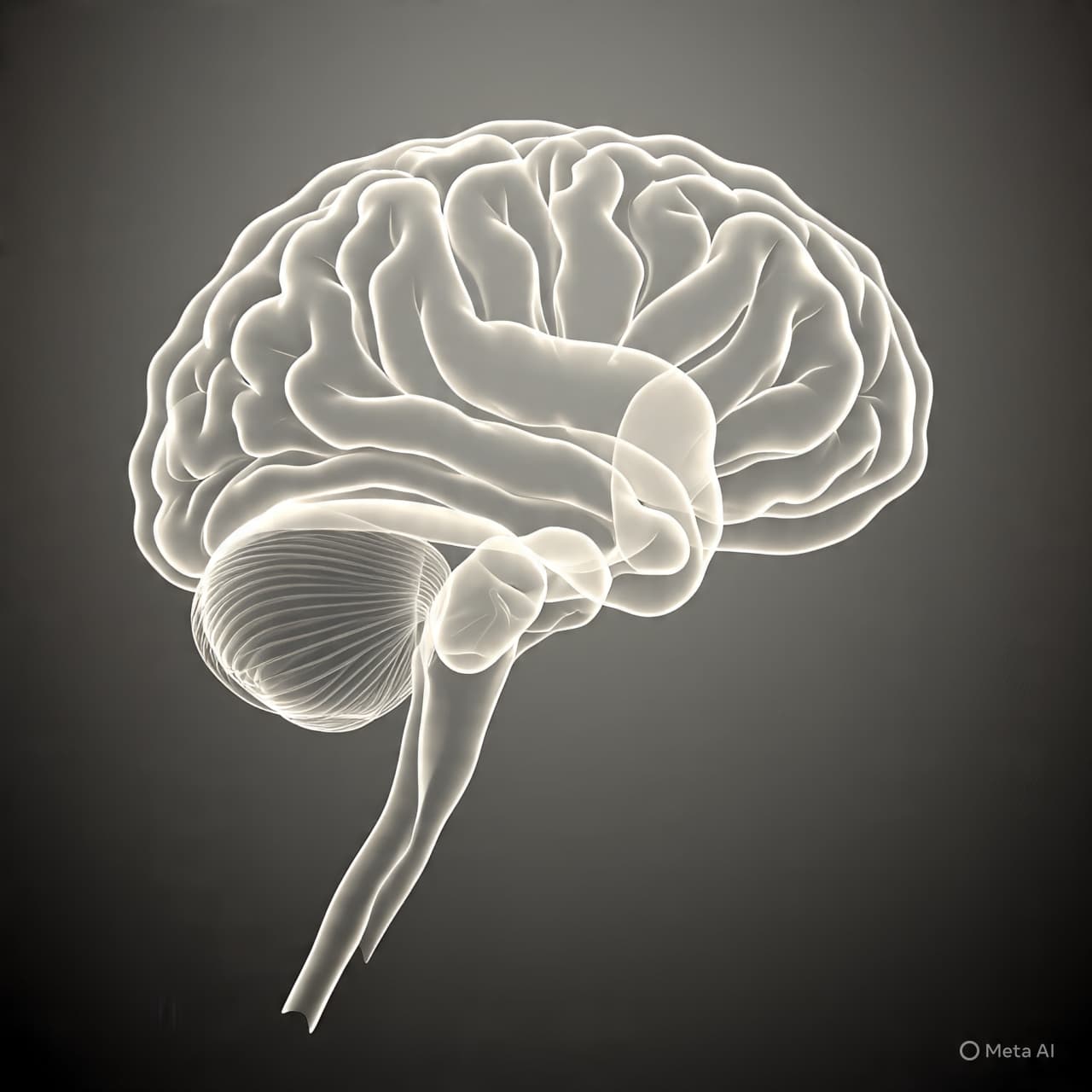
For generations, psychiatric disorders have been arranged like separate rooms in a long hallway. Each diagnosis carried its own name, symptoms, and presumed origin. Anxiety stood apart from depression, schizophrenia from bipolar disorder. The divisions felt orderly, reassuring even. But science has a way of opening doors once thought closed.
New genetic research suggests that many psychiatric disorders share far more DNA than scientists once believed. Rather than existing as distinct biological conditions, these illnesses appear to overlap at the genetic level, blurring the boundaries that have long shaped diagnosis and treatment.
By analyzing genetic data from hundreds of thousands of individuals, researchers found shared genetic variants across conditions such as depression, anxiety, bipolar disorder, schizophrenia, and attention-related disorders. These overlaps point to common biological pathways influencing how the brain develops and regulates emotion, cognition, and behavior.
The findings challenge a long-standing assumption: that each psychiatric disorder has a unique genetic signature. Instead, mental health conditions may emerge from shared vulnerabilities that express themselves differently depending on life experience, environment, and individual biology.
This does not mean diagnoses are meaningless. Clinical symptoms still matter deeply for care and support. But the research suggests that rigid categories may oversimplify a far more interconnected reality. Two people with different diagnoses may carry more genetic similarity than previously imagined.
For clinicians, the implications are significant. Treatments developed for one condition might prove useful for others, especially when they target shared biological mechanisms. For patients, the research may help explain why symptoms often overlap or shift over time.
Scientists caution that genetics is only part of the story. Environment, trauma, social context, and personal history continue to shape mental health outcomes. DNA may set the stage, but lived experience still directs the performance.
As research advances, psychiatry may move toward a more flexible understanding of mental illness—one that recognizes shared roots while respecting individual expression. The mind, it seems, resists neat compartments.
What emerges is not confusion, but clarity of a different kind: mental health is less about isolated conditions and more about interconnected systems, shaped by genes that speak a common language beneath many different symptoms.
Published by Banx Network. This article is part of the Banx decentralized media programme, powered by the BXE token on the XRP Ledger.