In the quiet pause just before a train starts to move, there is a moment where time itself seems to hold its breath — the metal still under tension, the tracks waiting for motion. That’s much like the hush now settling over Australia’s property market as the Reserve Bank of Australia prepares to make a pivotal decision. Markets, homeowners, and hopeful buyers alike are standing at the station of expectation, feeling the gentle hum of possibility as an interest rate rise edges closer.
Across neighbourhoods from Sydney’s harbourside streets to the gentle sprawl of Adelaide’s suburbs, signs of life remain palpable in the housing market. In January, Australia’s median home values inched higher, extending a steady start to 2026. Though the increase was modest, it signalled that demand still persists and that many Australians continue to view property as a cornerstone of their financial and personal aspirations. Yet beneath this steady march, there is a sense of pause, of collective reflection as conversations turn to the Reserve Bank’s next move and what it might mean for borrowing power and confidence among buyers.
Financial markets are now widely expecting the RBA to raise the official cash rate this Tuesday — the first such hike in more than two years — in response to inflation that has remained consistently above target. That inflationary rise has prompted economists and central bankers alike to reassess policy, navigating the delicate balance between containing price pressures and sustaining economic momentum. The prospect of higher borrowing costs already casts a soft yet persistent shadow across the thinking of both would-be buyers and those considering selling.
For many households who have felt comfortable in a period of relatively low rates, the thought of even a modest increase in the cost of a home loan brings a moment of inward reflection — like a gentle tightening on the purse strings of decision-making. According to recent forecasts, a 25-basis-point rise could add nearly $1,000 or more to annual repayments for borrowers with typical mortgages, with larger loans facing higher adjustments. The higher end of the market, where mortgages stretch farther into the realm of seven figures, could feel this shift more acutely, not because the change is sudden, but because it slowly alters the rhythm of serviceability and long-term planning.
Even so, economists point out that the dynamics of the property market are shaped by a tapestry of forces — from long-term supply shortages and population shifts to government schemes designed to support new buyers. In markets where affordable homes remain scarce and competition tight, prices have continued to record gains, albeit at a slower pace than before. And though higher rates are likely to temper some of the heat that built up during an earlier cycle of cuts, they might not unthread the broader pattern of growth entirely, especially where demand still competes fiercely with limited listings.
For would-be buyers watching this dance, there is a gentle reminder in economists’ forecasts: a rise in interest rates may not send prices tumbling, but it could slow the pace at which they climb. In that slowing — that breath between steps — there is a moment for reflection, for considering both the practicalities of borrowing and the deeper meaning of what it means to own a home in an era of economic uncertainty.
In this quiet interval before official word arrives, Australians find themselves pondering possibilities — aware that rates can nudge costs, calm demand, and reshape expectations — yet also mindful that property markets often respond with the same mixture of hope and patience that people bring to them.
Closing (Gentle Straight News) Property markets in Australia have seen modest gains this year, with median home values rising slightly in January even as expectations grow that the Reserve Bank of Australia will raise the official cash rate at its upcoming February meeting. Analysts say a likely rate increase — following stronger-than-expected inflation — could reduce borrowing capacity and dampen buyer sentiment, slowing the pace of price growth rather than causing sharp price falls. Economists note that tight housing supply and continued demand, particularly at more affordable price points, may help underpin values even as borrowing costs rise. Forecasts suggest home price growth could moderate in 2026, reflecting a combination of higher interest rates, affordability constraints, and broader economic conditions
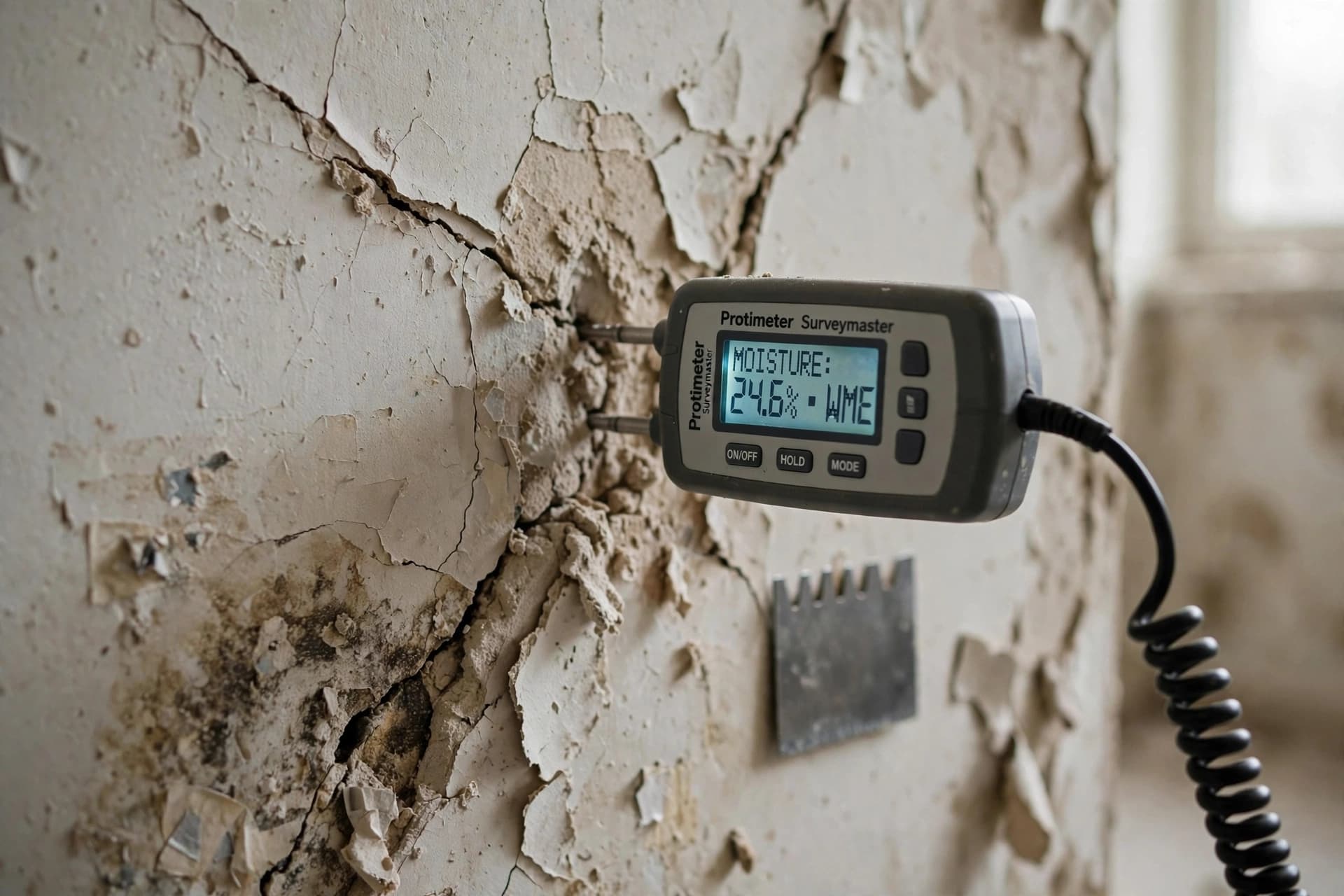
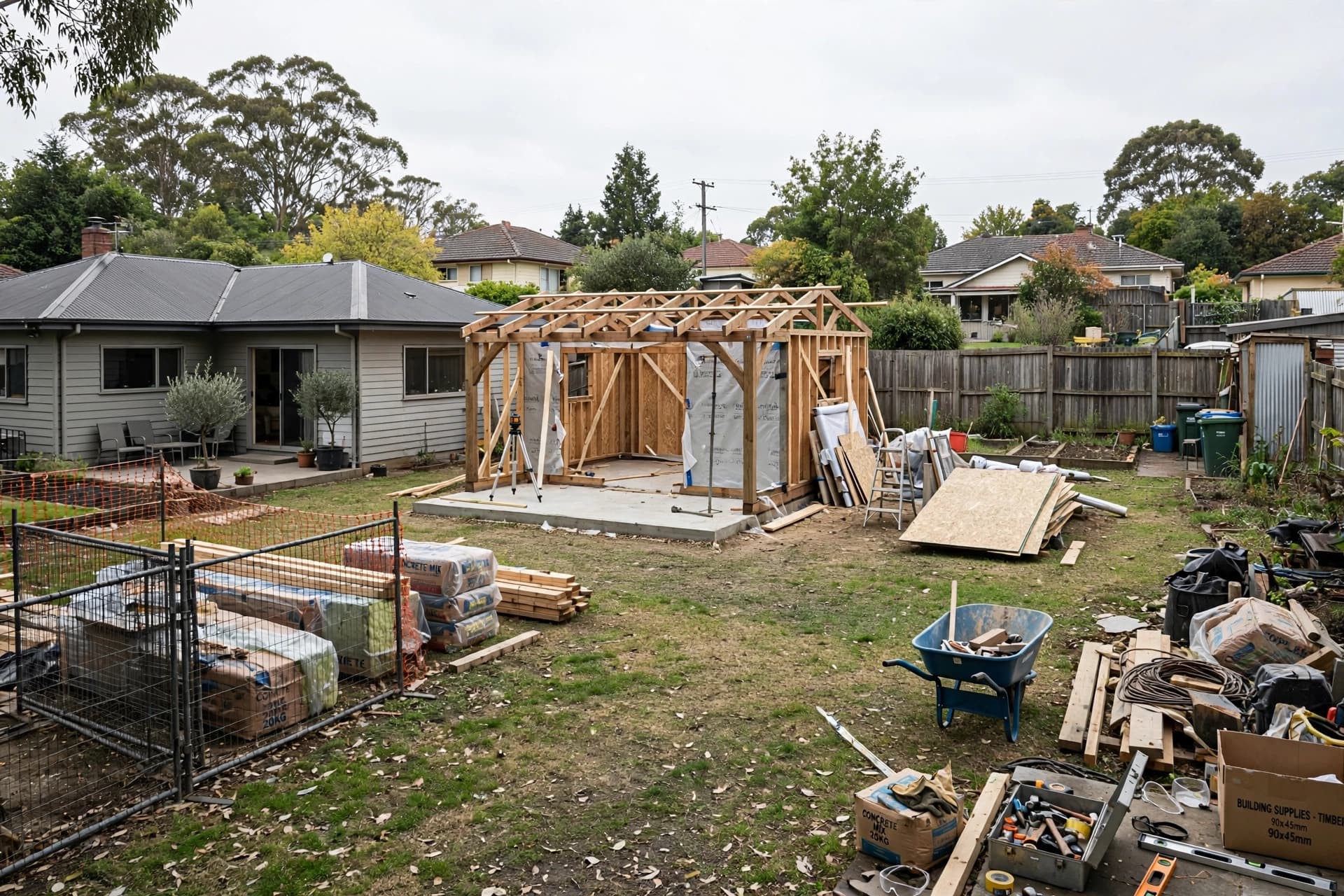
AI Image Disclaimer Illustrations were produced with AI and serve as conceptual depictions.
Credible Sources (Media names only):
realestate.com.au news.com.au ABC News The Guardian Australia Finder / financial markets commentary
Published by Banx Network. This article is part of the Banx decentralized media programme, powered by the BXE token on the XRP Ledger.