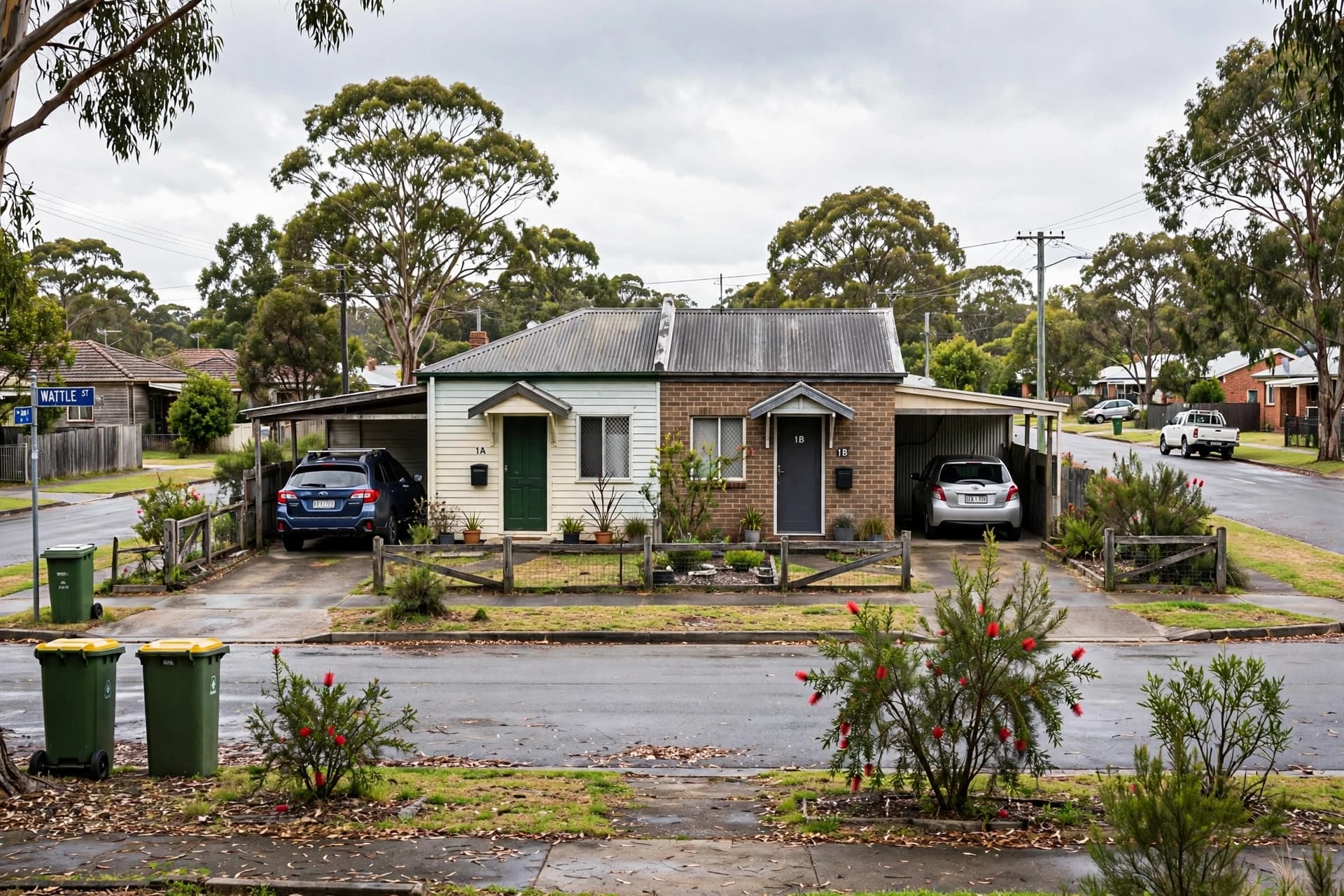
Morning light often tells a quieter truth about housing than headlines do. It falls on front porches, unfinished driveways, and the hopeful math scribbled on notepads at kitchen tables. For years, that light has felt harsh—prices running ahead, rates rising like tides, patience wearing thin. Yet 2026 appears, gently, like a season where the sun neither scorches nor fades, but simply warms. Not perfect, not painless, but balanced enough to invite first-home buyers back into the conversation.
The years behind us were shaped by extremes. Ultra-low interest rates inflated expectations, then rapid tightening cooled them abruptly. In between, first-time buyers learned to wait, adjust, and recalibrate what ownership might mean. By 2026, those sharp contrasts begin to soften. Inflation is expected to be more contained, wage growth steadier, and interest rates no longer swinging wildly. The housing market, long restless, may finally be settling into a more readable rhythm.
Affordability, while still strained, is showing signs of quiet repair. Home prices are no longer sprinting ahead of incomes in many regions. Instead, they move sideways, sometimes inching forward, sometimes pausing altogether. This slower pace matters. It gives buyers room to plan rather than react, to compare neighborhoods rather than chase listings. For first-time buyers especially, time itself becomes a form of assistance.
Mortgage rates, too, play their part. While unlikely to return to historic lows, they appear to be stabilizing within ranges that lenders and buyers can reasonably work with. Predictability, more than cheap money, becomes the real gift. It allows households to budget with fewer surprises and lenders to assess risk without constant recalibration. The result is not exuberance, but confidence—the kind that supports sustainable decisions.
Supply, long the market’s missing piece, is also inching forward. New construction has been uneven, but zoning changes, smaller home designs, and gradual increases in multi-family developments are adding options at the entry level. These homes may not match the size or style of past generations’ first purchases, but they reflect today’s realities: efficiency over excess, location over sprawl, ownership as a starting point rather than a finish line.
Demographics add another quiet layer. Millennials and older Gen Z buyers are entering life stages where stability matters more than speculation. They are cautious, informed, and often willing to compromise—on size, on commute, on timelines. This mindset aligns naturally with a calmer market. Instead of bidding wars fueled by urgency, transactions become conversations again, shaped by inspection reports and long-term plans.
Government policy, while rarely dramatic, contributes in subtle ways. Targeted first-buyer programs, down-payment assistance, and lending reforms are unlikely to transform the market overnight, but they help smooth its edges. In 2026, these measures function less as rescue tools and more as guardrails, keeping momentum steady rather than explosive.
None of this suggests that buying a first home will be easy. Costs remain high, competition persists in desirable areas, and renting will continue to feel safer for many. But a “Goldilocks” year is not about perfection. It is about conditions that are workable—rates not too high, prices not too hot, supply not too thin. In that narrow middle, possibility lives.
As 2026 unfolds, first-home buyers may find that the market no longer shouts at them. It speaks instead in measured tones, offering choices rather than ultimatums. For those who have waited through louder years, that softer voice may be reason enough to listen.
AI Image Disclaimer
Illustrations in this article were produced with AI tools and are intended as conceptual representations, not real photographs.
---
Sources
Bloomberg The Wall Street Journal The New York Times Financial Times Realtor.com
Published by Banx Network. This article is part of the Banx decentralized media programme, powered by the BXE token on the XRP Ledger.