In a quiet corner of every business, there is a question that never quite goes away. It lingers like the soft hum of a server in the background: Are we really listening? For decades, email surveys have been the polite knock at the customer’s door—measured, structured, and often ignored. In 2026, as attention becomes the most fragile currency of all, that knock feels increasingly distant. The inbox is crowded, the messages blur together, and feedback—once eagerly requested—sinks beneath newsletters and promotions. Perhaps the real challenge is not asking more questions, but asking them differently.
The landscape of customer feedback has shifted gently but decisively. Research discussed by suggests that response rates to traditional email surveys continue to decline as digital fatigue rises. Meanwhile, insights highlighted by reflect a broader shift toward experience-driven engagement, where feedback is captured in the moment rather than requested days later. Timing, it seems, is becoming everything.
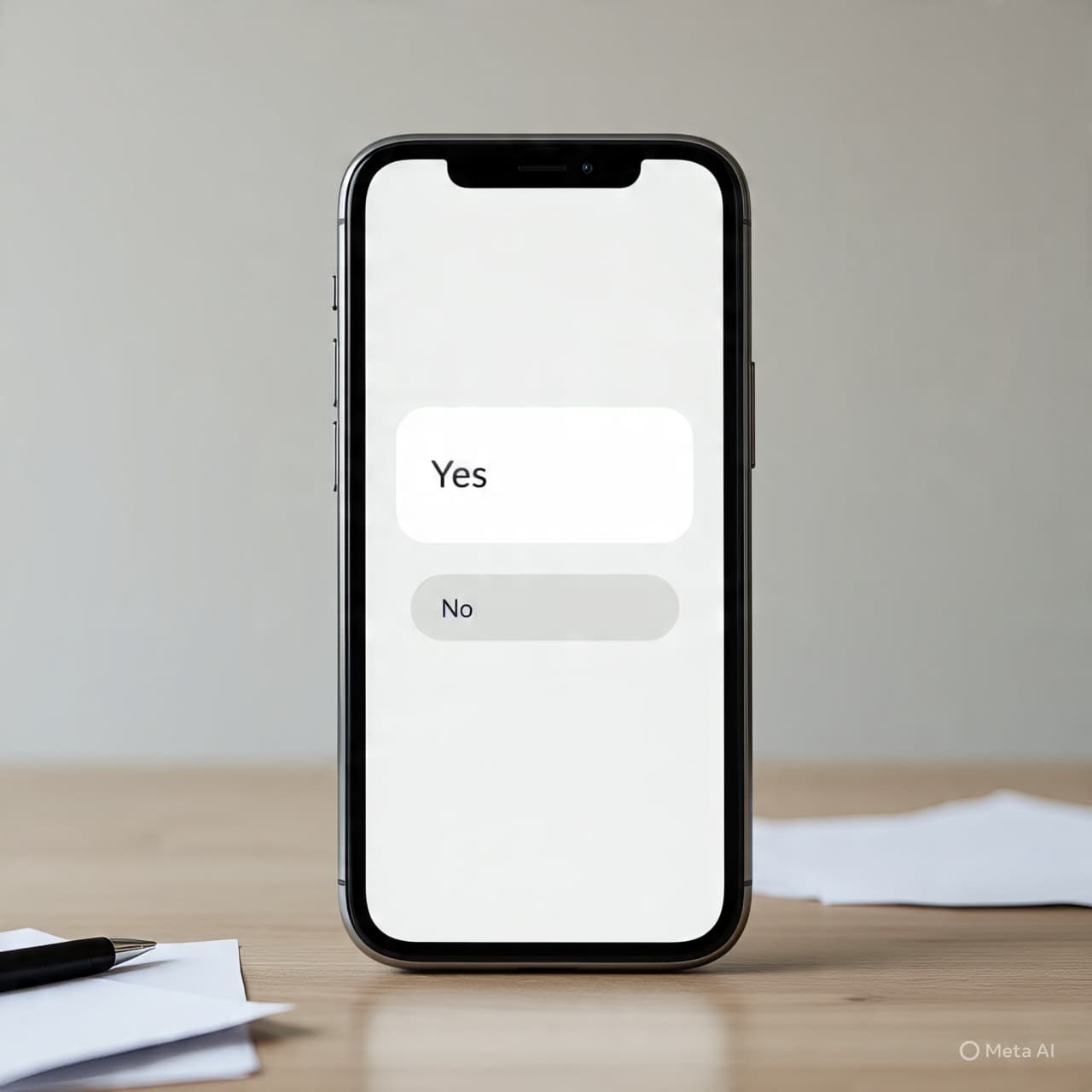
In-app and in-product prompts are emerging as the quieter, more attentive listeners. Instead of sending a follow-up email after a purchase, companies now invite a brief reaction at the precise moment of interaction. A subtle pop-up after a feature is used. A one-question pulse embedded in a checkout flow. The approach feels less like paperwork and more like conversation. According to commentary in , customers are more likely to respond when the request feels immediate and relevant—when the experience is still warm.
Messaging platforms and community channels are also reshaping the terrain. Coverage from has noted the rise of conversational feedback through chat apps, AI-powered assistants, and private brand communities. In these spaces, feedback unfolds naturally. A customer types a quick reaction. An AI summarizes themes in real time. Patterns appear not as rows in a spreadsheet, but as living threads of dialogue.
Even more quietly, behavioral data is taking on a new role. Firms like have emphasized that what customers do can speak as clearly as what they say. Abandoned carts, feature usage frequency, scrolling pauses—these signals, when interpreted responsibly, form a kind of silent feedback loop. It is less intrusive, less demanding, and in many cases, more honest.
This does not mean email has vanished. It remains a formal channel, useful for structured research and longitudinal studies. But in 2026, relying on email alone feels like trying to understand a city by listening only at its gates. The life of the city happens in its streets—inside apps, across communities, within moments of use.
The best way to gather customer feedback now may be less about the tool and more about the posture. Are companies present where customers already are? Are they asking one thoughtful question instead of ten mechanical ones? Are they prepared not just to collect feedback, but to respond visibly?
As businesses continue to experiment with embedded surveys, AI-driven sentiment analysis, and conversational interfaces, the trend appears steady rather than sudden. Email is no longer the center of gravity. Feedback is becoming ambient—woven into experience rather than requested afterward.
In practical terms, organizations entering 2026 are investing more heavily in real-time feedback tools, in-app analytics, and community-driven insight platforms. Email surveys remain part of the toolkit, but they are no longer the headline act. The movement is subtle but clear: from inbox to interface, from broadcast to dialogue.
And so the question returns, softer than before. Are we truly listening? The answer may depend not on how loudly we ask, but on how naturally we invite the reply.
AI Image Disclaimer:
Visuals are created with AI tools and are not real photographs.
Sources:
Harvard Business Review
Forbes
TechCrunch
Gartner
McKinsey & Company
Published by Banx Network. This article is part of the Banx decentralized media programme, powered by the BXE token on the XRP Ledger.