Glaciers are often described as rivers of ice, slow-moving giants that preserve history in their frozen depths. They swallow time, holding onto objects and memories long after the world above has moved on. For one Austrian man, a tragic accident six decades ago resulted in the loss of more than just his footing; it meant the disappearance of his personal belongings into the icy abyss. Now, as the climate warms and the ice recedes, the glacier has returned what it once took, offering a poignant reunion with the past.
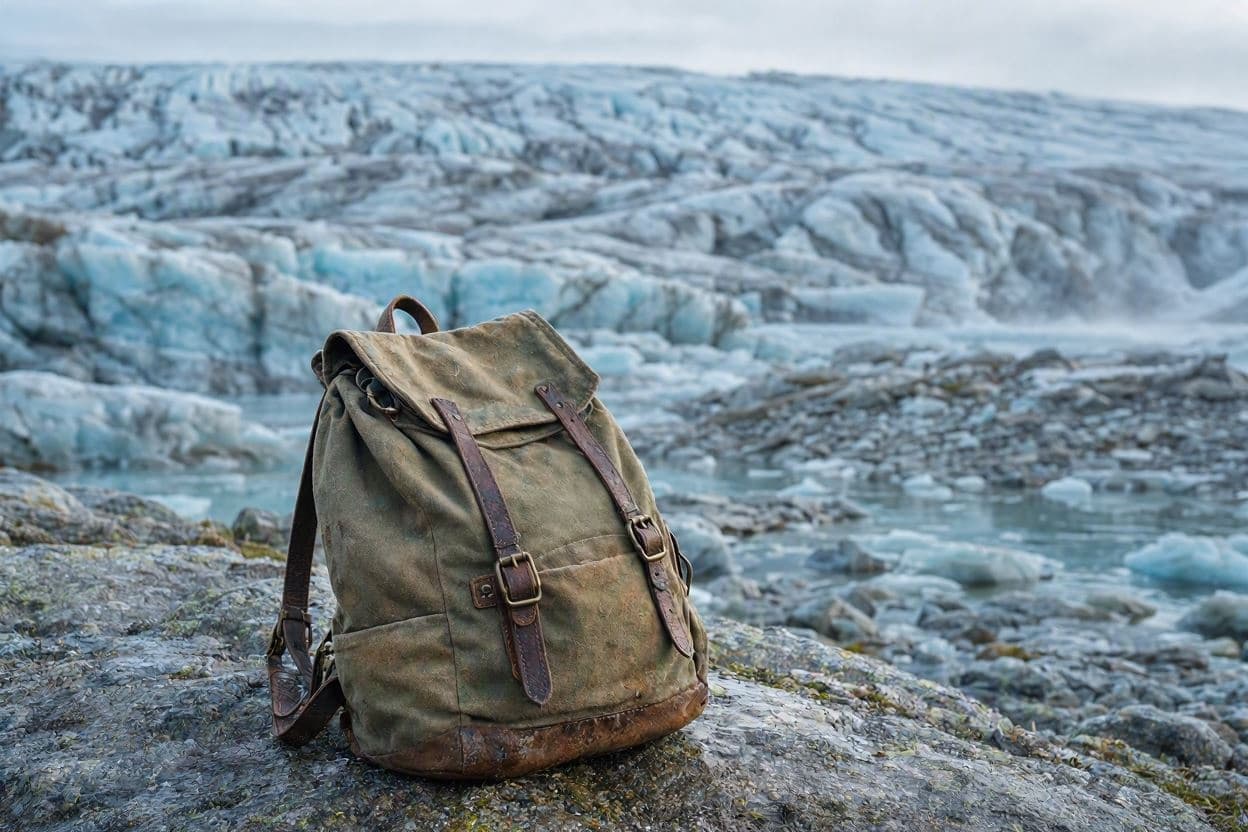
The incident occurred in 1964, when a young hiker fell into a crevasse on the Pasterze Glacier, Austria’s largest. While the hiker survived the fall and was rescued, his backpack slipped further down into the ice, lost to the crushing weight and cold. For sixty years, it remained trapped, a silent witness to the changing seasons and the slow, grinding movement of the glacier itself.
In recent years, rising global temperatures have accelerated the melting of Alpine glaciers. This retreat has exposed artifacts and remains that had been hidden for generations, a phenomenon sometimes referred to as "ice archaeology." Among these emerging items was the hiker’s backpack, preserved in remarkable condition by the low-oxygen, freezing environment. The materials, though aged, retained their shape and contents, protected from the decay that would have claimed them on the surface.
When local authorities or glacier guides discovered the bag, they were able to identify its owner through documents or distinctive markings inside. The news reached the man, now in his eighties, who had likely long assumed the bag was gone forever. The revelation sparked a mix of nostalgia and surprise, as he was confronted with tangible pieces of his youth—items that had been suspended in time while he continued to live his life.
The reunion is not just a personal story but a symbol of the broader environmental changes affecting the Alps. As glaciers shrink, they reveal both treasures and tragedies, reminding us of the power of nature and the fragility of our footprint upon it. Each recovered item tells a story of human presence in these high, remote places, often under dangerous conditions.
For the hiker, holding the backpack again must feel like touching a ghost. The clothes, maps, or notes inside serve as a bridge to a younger self, a version of him that existed before the decades of change. It is a rare moment where the past physically returns to the present, unaltered by the usual erosion of memory.
This event also highlights the importance of monitoring glacial regions. As more ice melts, the likelihood of finding such artifacts increases, requiring careful handling and identification. It underscores the need for respectful preservation of these historical traces, which offer insights into the history of mountaineering and tourism in the region.
The backpack has been returned to its owner, who plans to keep it as a cherished memento of his survival and the passage of time. Local officials continue to monitor the glacier for other emerging artifacts, balancing scientific interest with respect for personal history.
AI Image Disclaimer: Please note that the visual accompaniments for this article are AI-generated illustrations created to reflect the themes of glacial retreat, historical preservation, and personal reunion.
Sources: BBC News The Guardian Local Austrian Media (e.g., ORF) Reuters Alpine Club Reports
Published by Banx Network. This article is part of the Banx decentralized media programme, powered by the BXE token on the XRP Ledger.