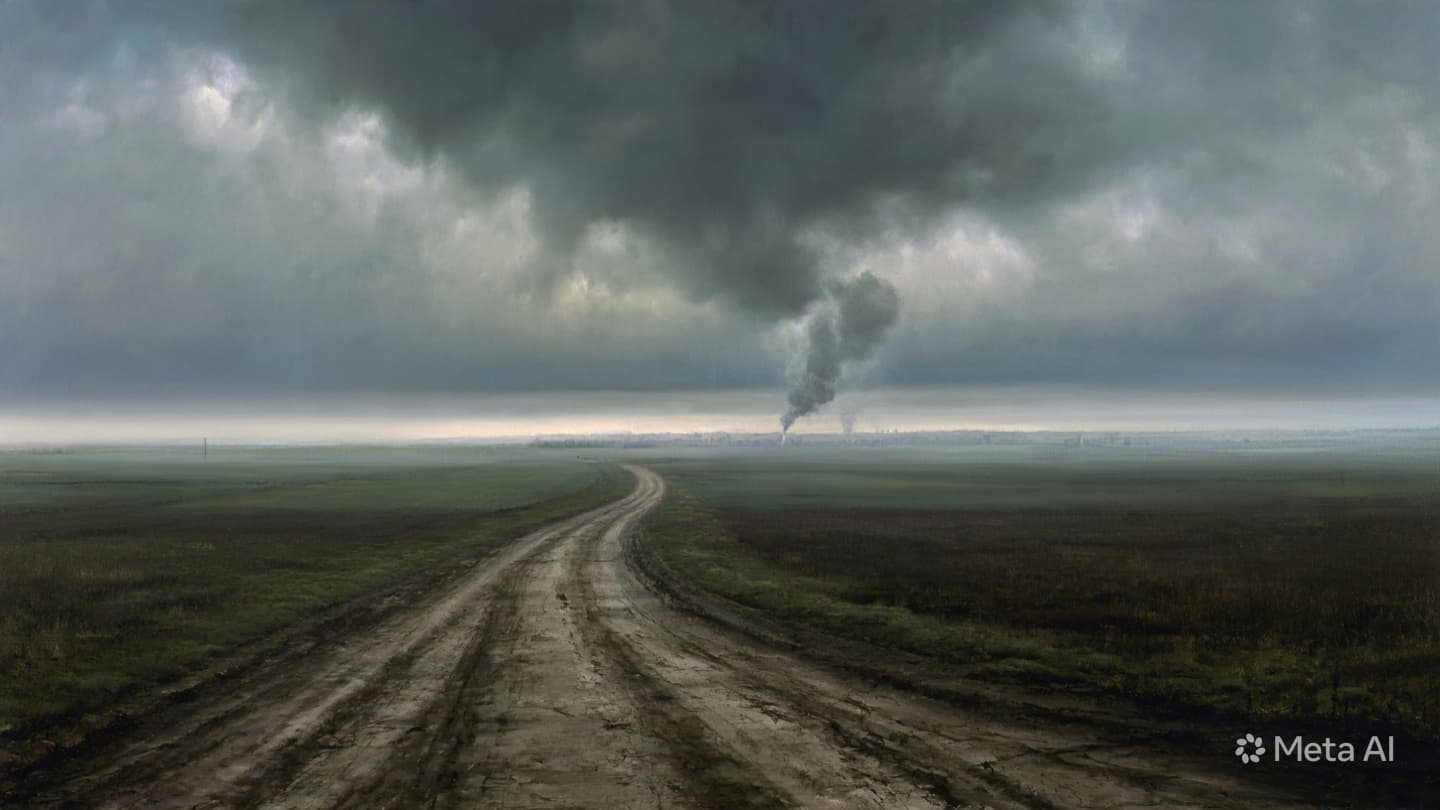
The rolling plains of the Zaporizhzhia region have long been defined by their vast openness, where the earth stretches toward the horizon under a sky that seems to possess no boundaries. In these agrarian landscapes, the small settlements that dot the rural expanses exist in a quiet harmony with the soil, their daily rhythms dictated by the seasons and the slow movement of the sun. It is a world where the simplicity of village life traditionally provided a reliable harbor from the complexities of the broader world, rooted in the steady, familiar patterns of the countryside.
Yet, there is a persistent vulnerability that accompanies such openness when the air above becomes a conduit for heavy, indiscriminate force. On a recent day, the fragile stillness connecting fifty-three separate civilian settlements was systematically unraveled by a prolonged bombardment that reverberated across the entire province. This was not a localized flashpoint of conflict, but a broad, sweeping wave of ordnance that descended upon the rural valleys, transforming the quiet domestic spaces into scenes of sudden, widespread peril.
The transition from the calm routine of a rural household to the chaotic uncertainty of an artillery barrage happens with an agonizing velocity, leaving little time for contemplation or escape. Across the targeted localities, the arrival of the shells shattered the ordinary silence of orchards, gardens, and village lanes, forcing a sudden retreat behind thick basement walls and makeshift brick shelters. When the dust finally settled over the vast geography, it revealed a landscape where the boundary between the front line and the domestic sanctuary had been entirely erased.
To observe the aftermath of such a widespread bombardment is to understand a reality where the terror of the conflict is intentionally distributed, ensuring that no corner of the region feels entirely safe. The damage is visible not in massive structural ruins, but in a multitude of smaller, poignant wounds scattered across dozens of communities—a shattered roof in one hamlet, a cratered road in another, and broken windows in a schoolhouse miles away. These fragments combine to form a narrative of collective anxiety that hangs heavy over the agricultural heartland.
The response of the local emergency teams and volunteers began under the shadow of the ongoing alert, their vehicles navigating the dusty farm roads with a practiced, somber urgency. Working amidst the smoke that drifted lazily through the trees, they moved from one settlement to the next, clearing the blocked paths and checking on the isolated households that lay furthest from the urban centers. It is a quiet, exhausting form of stewardship, performed by men and women whose faces bear the pale dust of their ruined surroundings.
The strategic calculations that dictate the targeting of such scattered civilian enclaves are frequently debated in the sterile language of international security briefings and diplomatic communiqués. On the ground, however, those abstractions are replaced by the immediate, practical grief of a farmer looking at a ruined barn or a neighbor helping to clear the debris from an elderly relative’s kitchen. The true cost of the incursion is measured not in the number of shells fired, but in the enduring disruption to a way of life built on peace.
By the evening hours, a tentative, heavy silence returned to the fifty-three settlements, though the scent of burning wood and cordite lingered stubbornly in the cool air. The residents who chose to stay began the slow, familiar task of patching together what had been torn down, using whatever materials were at hand to secure their homes against the elements. It is an act of quiet defiance, a refusal to allow the violence to completely redefine the spaces they have cultivated for generations.
Regional administrative authorities confirmed that a heavy bombardment targeted fifty-three separate civilian settlements across the Zaporizhzhia region over a twenty-four-hour period. Local emergency services reported that while defensive measures mitigated some of the impact, the extensive shelling caused structural damage to numerous residential properties and local infrastructure installations, requiring a coordinated deployment of recovery teams to stabilize the affected sectors.
Published by Banx Network. This article is part of the Banx decentralized media programme, powered by the BXE token on the XRP Ledger.