Air travel connects the world, shrinking distances and bridging cultures. Yet, it also carries unseen passengers, tiny vectors of disease that can traverse continents in hours. In Germany, a tragic incident has reminded us of this biological reality: two airport workers have died from malaria after being bitten by an infected mosquito on an aircraft. Four others have fallen ill, highlighting the rare but serious risk of "airport malaria" and the importance of rigorous vector control in international aviation.
Malaria is a tropical disease transmitted by Anopheles mosquitoes, typically found in warmer climates. However, mosquitoes can survive in the cargo holds or cabins of airplanes, especially if the aircraft arrives from a region where malaria is endemic. Upon landing, these insects can escape into the airport environment, biting ground staff or passengers who have not traveled to tropical zones. This phenomenon, known as "odyssean malaria," is rare but well-documented.
The victims in this case were ground crew members who had no recent travel history to malaria-prone areas. Their infections were traced back to a specific flight arriving from a high-risk region. Health authorities launched an immediate investigation, identifying the likely source and implementing measures to prevent further spread. The tragedy underscores the vulnerability of those who work in the periphery of global travel networks.
German health officials have emphasized that such cases are exceptional. Strict regulations require aircraft arriving from malaria-endemic countries to undergo disinsection, a process of spraying insecticides to kill any remaining mosquitoes. However, no method is 100% foolproof, and occasional breaches can occur. This incident has prompted a review of current protocols to ensure maximum safety for airport personnel.
For the families of the deceased, the loss is sudden and inexplicable. Malaria is often perceived as a distant threat, relevant only to travelers. Its appearance in a temperate European airport shatters this assumption, bringing a tropical danger to their doorstep. Support services are being provided to help them cope with the grief and navigate the complexities of the situation.
Medical experts urge awareness among healthcare providers in non-endemic regions. Diagnosing malaria in patients without travel history can be challenging, leading to delays in treatment. Early detection is crucial for survival, as the disease can progress rapidly. This case serves as a clinical reminder to consider unusual vectors in differential diagnoses.
The aviation industry continues to collaborate with health organizations to improve safety standards. Enhanced training for cleaning crews, better monitoring of disinsection procedures, and improved ventilation systems are among the measures being explored. The goal is to create a barrier that protects both travelers and workers from unintended biological hazards.
Authorities have confirmed that the risk to the general public remains low. Investigations are ongoing to determine the exact circumstances of the mosquito’s entry, with recommendations expected to strengthen existing safety guidelines for international flights.
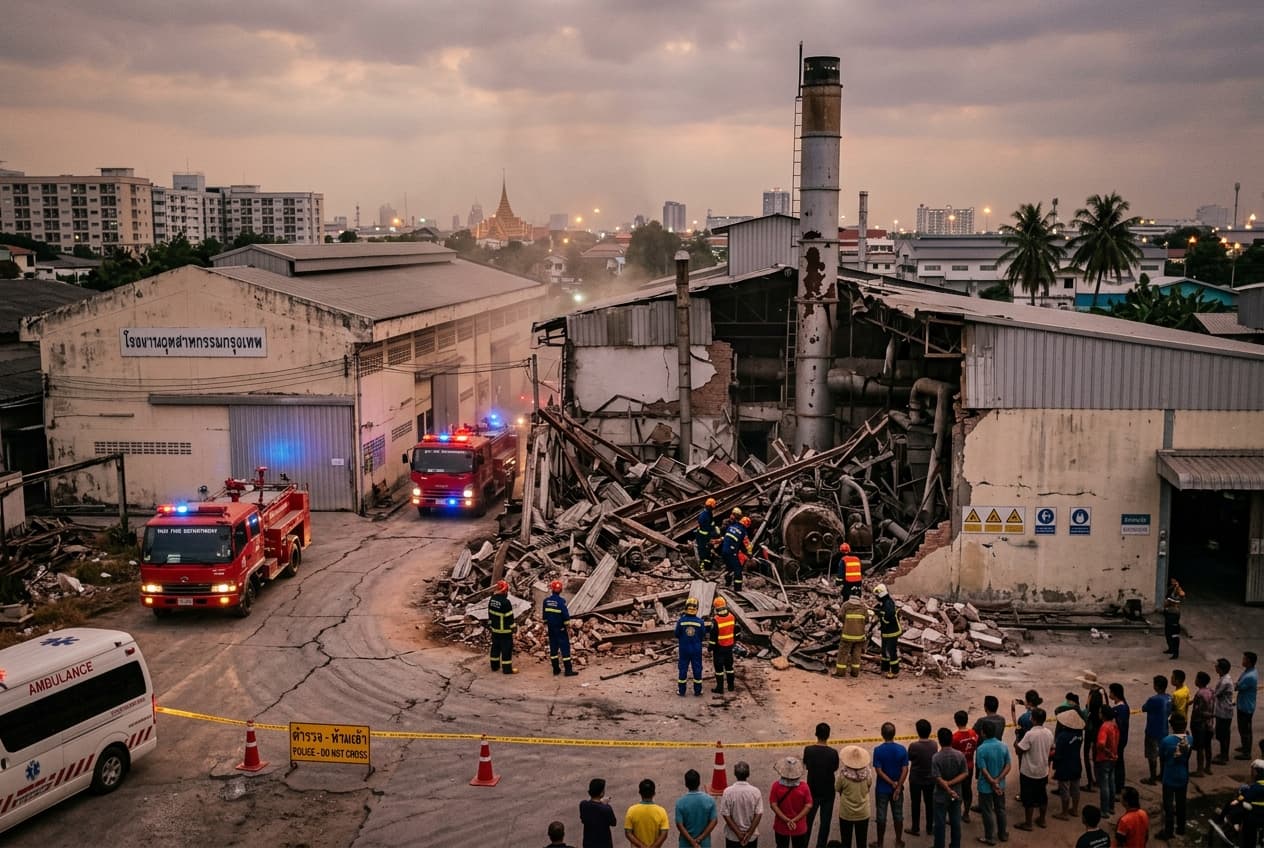
AI Image Disclaimer: Please be aware that any images accompanying this article are AI-generated illustrations designed to evoke the themes of global travel, vector-borne disease, and airport safety.
Sources: Robert Koch Institute (Germany) Reuters Associated Press BBC News World Health Organization (WHO)
Published by Banx Network. This article is part of the Banx decentralized media programme, powered by the BXE token on the XRP Ledger.