There are moments in history when the horizon seems to flicker—not with the calm glow of a setting sun, but with distant flashes that hint at storms still gathering. The latest strikes involving Iran and targets linked to Israel and Gulf states arrive in such a moment, where certainty feels fragile and diplomacy moves like a whisper against the wind. Beneath the surface of official statements and strategic maneuvers lies a deeper tension, one that carries both the weight of past grievances and the uncertainty of what may yet unfold.
In recent developments, reported strikes have drawn renewed attention to an already complex regional dynamic. Iran, long positioned at the center of geopolitical friction, now finds itself navigating a landscape where military gestures and diplomatic signals appear to move in parallel, though not always in harmony. Targets associated with Israel and Gulf nations have reportedly come under pressure, reflecting not just isolated incidents but a broader pattern of calibrated responses and measured escalation.
Yet, even as these actions unfold, there are indications—subtle, sometimes contradictory—that channels of communication remain open. Talks aimed at easing tensions, while fragile, suggest that the language of negotiation has not entirely faded. It is as though two narratives are being written at once: one in the sharp punctuation of conflict, the other in the softer prose of diplomacy. Whether these narratives will converge or continue to diverge remains an open question.
For Israel and several Gulf states, the situation underscores a persistent concern about regional stability and security. The echoes of each strike travel far beyond their immediate impact, shaping perceptions and recalibrating alliances. Responses, both public and restrained, hint at a careful balancing act—one that seeks to deter without igniting a wider confrontation.
Meanwhile, Iran’s posture appears layered, combining strategic signaling with an awareness of the broader international gaze. The interplay between action and restraint suggests a calculation that extends beyond immediate gains, touching on long-term positioning within the region and beyond. In this sense, each development becomes part of a larger mosaic, where intent is often as significant as outcome.
The presence of ongoing discussions to end the broader conflict adds another dimension to the unfolding story. These talks, marked by cautious optimism and intermittent setbacks, reflect the enduring belief that even deeply rooted disputes can find pathways toward resolution. However, the coexistence of dialogue and military activity introduces an inherent tension, raising questions about trust and timing.
As events continue to evolve, the region stands at a delicate juncture. The rhythm of escalation and de-escalation creates an atmosphere where clarity is elusive, and each new development carries the potential to reshape the trajectory of the conflict. Observers and stakeholders alike watch closely, aware that the balance between confrontation and compromise is both fragile and consequential.
In the end, the situation remains fluid, with no definitive resolution yet in sight. While recent actions have added layers of complexity, diplomatic efforts continue to persist in the background, offering a reminder that even in times of strain, the possibility of dialogue endures.
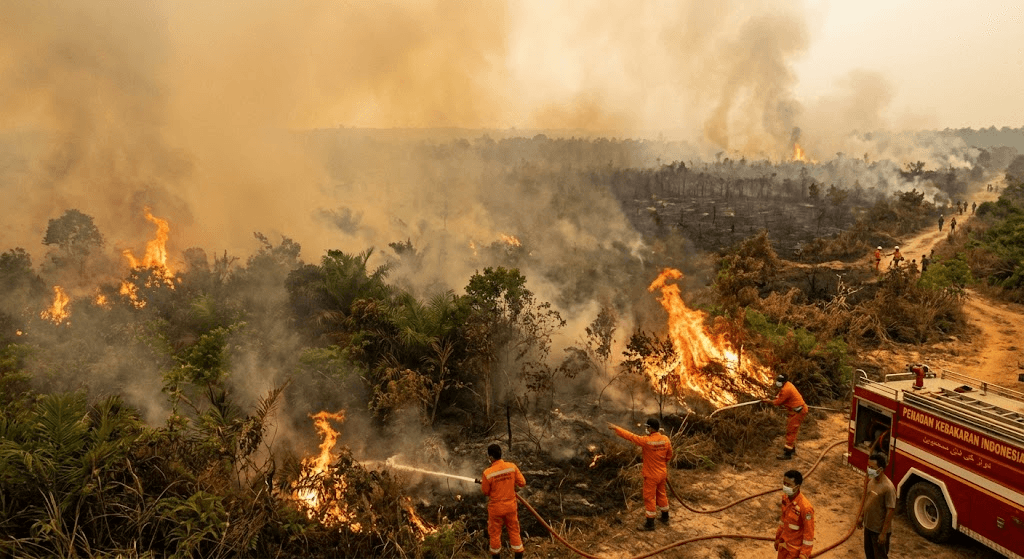
AI Image Disclaimer Graphics are AI-generated and intended for representation, not reality.
Source Check (Credible Media Identified): Reuters BBC Al Jazeera The New York Times The Guardian
Published by Banx Network. This article is part of the Banx decentralized media programme, powered by the BXE token on the XRP Ledger.