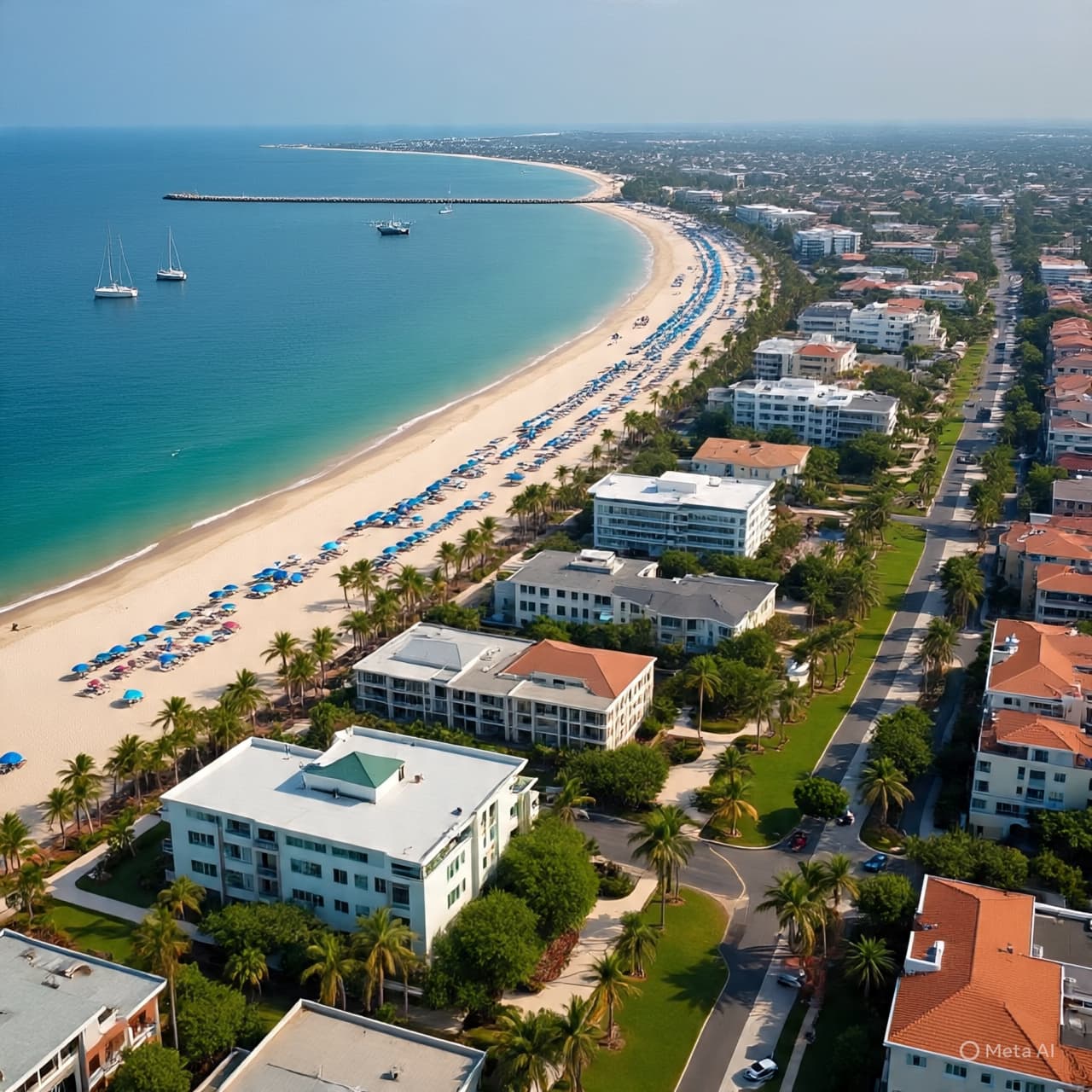
Key Highlights
- Myrtle Beach is experiencing significant population growth as families relocate for affordable housing.
- The trend reflects a broader movement of Americans seeking more space and lower taxes.
- Cities like Charleston are also seeing increased migration, indicating a regional shift.
As the sun sets over the oak-lined streets of Myrtle Beach, a new chapter in American migration unfolds. Families and individuals are leaving behind the crowded city blocks and high property taxes of urban life, drawn to the promise of wider porches, deeper yards, and lighter tax burdens. This trend is not merely a flight from the hustle and bustle but a thoughtful transition towards a more relaxed lifestyle, where the cost of living is significantly lower and the space to breathe is more abundant.
The southern Atlantic seaboard, particularly around Myrtle Beach, has become a focal point for this migration. Recent data indicates that this coastal city and its surrounding areas are among the fastest-growing in the nation. Newcomers from high-cost metropolitan areas are discovering that they can purchase larger homes for a fraction of the price they would pay in their previous locations. Many are trading cramped apartments for spacious houses that offer room for gatherings, gardening, and a lifestyle that feels increasingly out of reach in their former homes.
This migration is driven by a combination of rising housing costs in traditional gateway cities and a desire for a more livable environment. As property prices soar in urban centers, many buyers are calculating their options and finding the South particularly appealing. The relatively affordable housing market and favorable tax climates allow families to stretch their dollars further, making the prospect of homeownership more attainable.
The appeal of Myrtle Beach extends beyond its sunny weather and sandy beaches. It represents a lifestyle choice that prioritizes comfort and community over the density and high costs associated with older urban areas. Local real estate agents report a steady influx of new residents who are attracted to the area's historic neighborhoods, burgeoning job market, and vibrant community life that offers both familiarity and transformation.
However, this growth is not without its challenges. The influx of new residents raises questions about infrastructure, education, and maintaining affordability as property prices begin to rise. The motivations behind this migration vary widely; retirees, remote workers, and young families each bring unique aspirations to their new homes. Yet, a common thread runs through these diverse groups: a yearning for more space and a better quality of life.
As Americans continue to relocate in search of affordable living options, the trend of east-to-south migration highlights a significant shift in the national narrative. This movement reflects a growing desire for homes that offer both financial viability and the promise of a fulfilling lifestyle, marking a new chapter in the ongoing story of American mobility.
At present, Myrtle Beach's metro area is witnessing remarkable population growth, solidifying its status as a prime destination for those seeking value and quality of life. The broader trend of migration to southern coastal towns underscores a collective aspiration for spacious living beyond the high-cost enclaves that have defined coastal life for decades.
Published by Banx Network. This article is part of the Banx decentralized media programme, powered by the BXE token on the XRP Ledger.