The human body is full of surprises, and sometimes the most overlooked systems hold keys to our wellbeing. In a new twist on research into Alzheimer’s disease, scientists are exploring how compounds produced by the gut — even those responsible for the unmistakable smell of flatulence — may influence brain health.
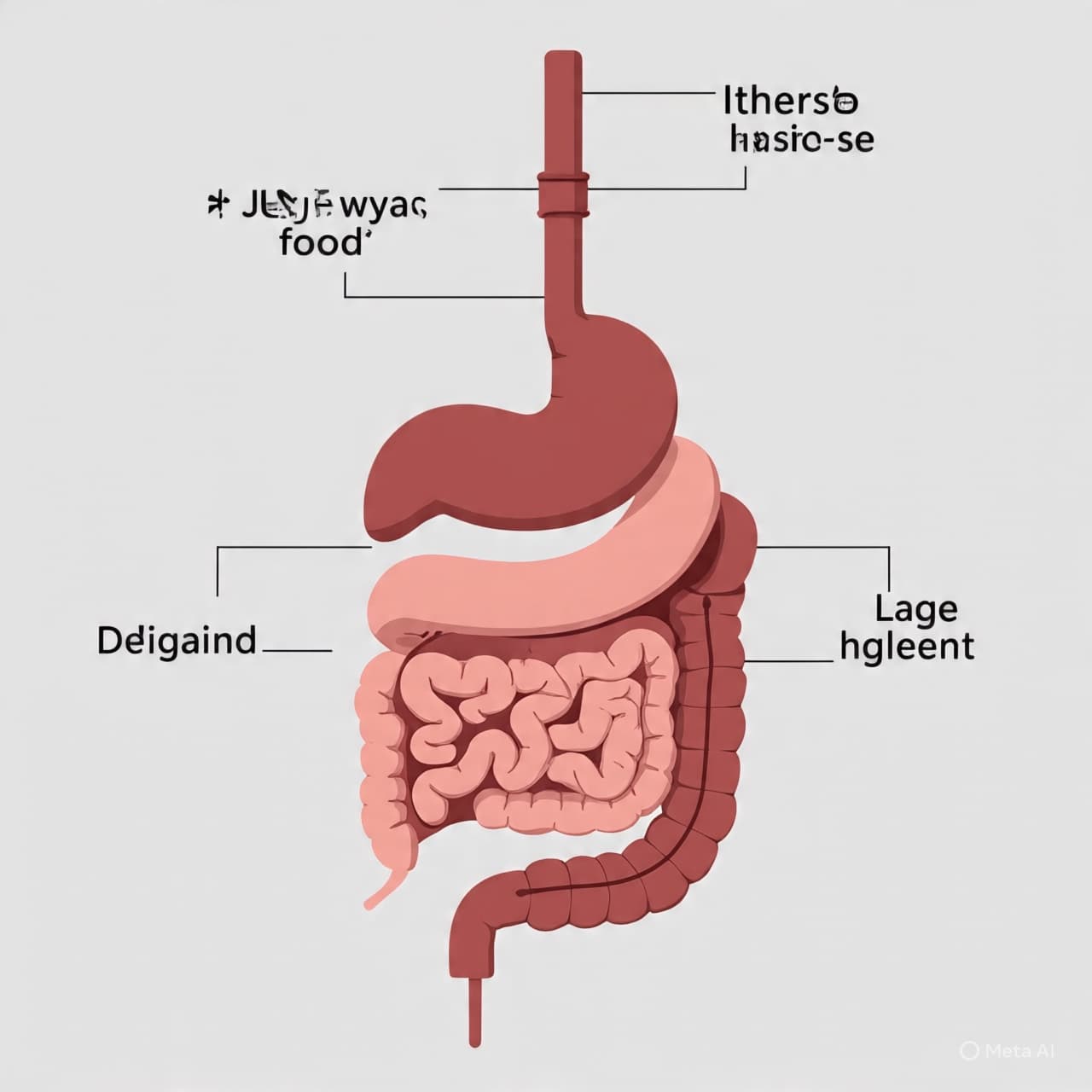
Hydrogen sulfide, a natural byproduct of digestion, has been the focus of recent studies. While often associated with unpleasant odors, this compound plays a subtle but significant role in cellular signaling and inflammation regulation. Researchers have found that it may help protect neurons from oxidative stress, a key factor in the development of neurodegenerative conditions like Alzheimer’s.
The study emphasizes balance: the presence of these gut-derived compounds in moderate amounts appears beneficial, contributing to the body’s natural defense mechanisms. This aligns with broader findings that the gut microbiome — the diverse ecosystem of bacteria in the digestive tract — exerts wide-ranging effects on brain function, immune response, and overall metabolic health.
Experts caution that this does not imply that smelling one’s flatulence is a therapeutic strategy. Rather, it highlights the complex interplay between diet, gut bacteria, and brain health. Foods that support a healthy microbiome, such as fiber-rich vegetables, fermented products, and prebiotics, may indirectly enhance the production of protective compounds.
This research underscores an emerging theme in neuroscience and nutrition: small, seemingly ordinary processes within the body can have outsized effects on long-term cognitive function. By understanding these connections, scientists hope to develop interventions that harness natural biological mechanisms to prevent or slow Alzheimer’s disease.
The takeaway is both surprising and encouraging: our digestive system, often overlooked in conversations about brain health, may harbor protective factors that can influence the trajectory of cognitive decline. In the intricate dance of human biology, even the most unassuming players can have a vital role.
Published by Banx Network. This article is part of the Banx decentralized media programme, powered by the BXE token on the XRP Ledger.