There are moments when history seems to lower its voice, allowing a region long shaped by tension to pause and listen. In southern Lebanon and northern Israel, where uncertainty has often traveled faster than certainty, news of a ceasefire agreement between Israel and Hezbollah arrived like a brief opening in a storm-filled sky. While many questions remain, the announcement has offered a measure of relief to communities that have endured months of anxiety and disruption.
The agreement emerged after extensive diplomatic efforts involving international mediators, particularly the United States and regional partners seeking to prevent a broader conflict. The border area had witnessed repeated exchanges of fire, raising fears that localized clashes could evolve into a wider regional confrontation.
For residents living near the frontier, daily life had become increasingly difficult. Families faced repeated evacuations, businesses struggled to remain operational, and schools frequently adjusted schedules to accommodate security concerns. The ceasefire is expected to reduce immediate risks to civilians on both sides of the border.
Military analysts note that the agreement reflects a shared recognition of the costs associated with prolonged escalation. Although both sides maintain significant political and security concerns, the ceasefire suggests an acknowledgment that continued conflict could produce consequences extending beyond the immediate battlefield.
Regional governments have closely monitored developments. The stability of Lebanon remains a critical concern for neighboring countries, while international observers continue to assess how the agreement may influence broader Middle Eastern security dynamics.
Humanitarian organizations have welcomed the reduction in hostilities. Aid agencies operating in affected areas have reported challenges in delivering assistance during periods of intense fighting. Improved security conditions may enable more consistent support for displaced families and vulnerable communities.
Diplomatic observers caution that ceasefires are often delicate arrangements rather than permanent solutions. Maintaining calm requires continued communication, restraint, and mechanisms capable of addressing incidents before they trigger renewed violence.
The broader significance of the agreement extends beyond military considerations. Economic recovery, infrastructure repair, and social stability all depend on a sustained reduction in conflict. Communities on both sides of the border are likely to measure success not through official statements but through the return of ordinary routines.
For now, the ceasefire represents an opportunity rather than a conclusion. Whether it becomes a lasting foundation for stability will depend on the choices made in the weeks and months ahead.
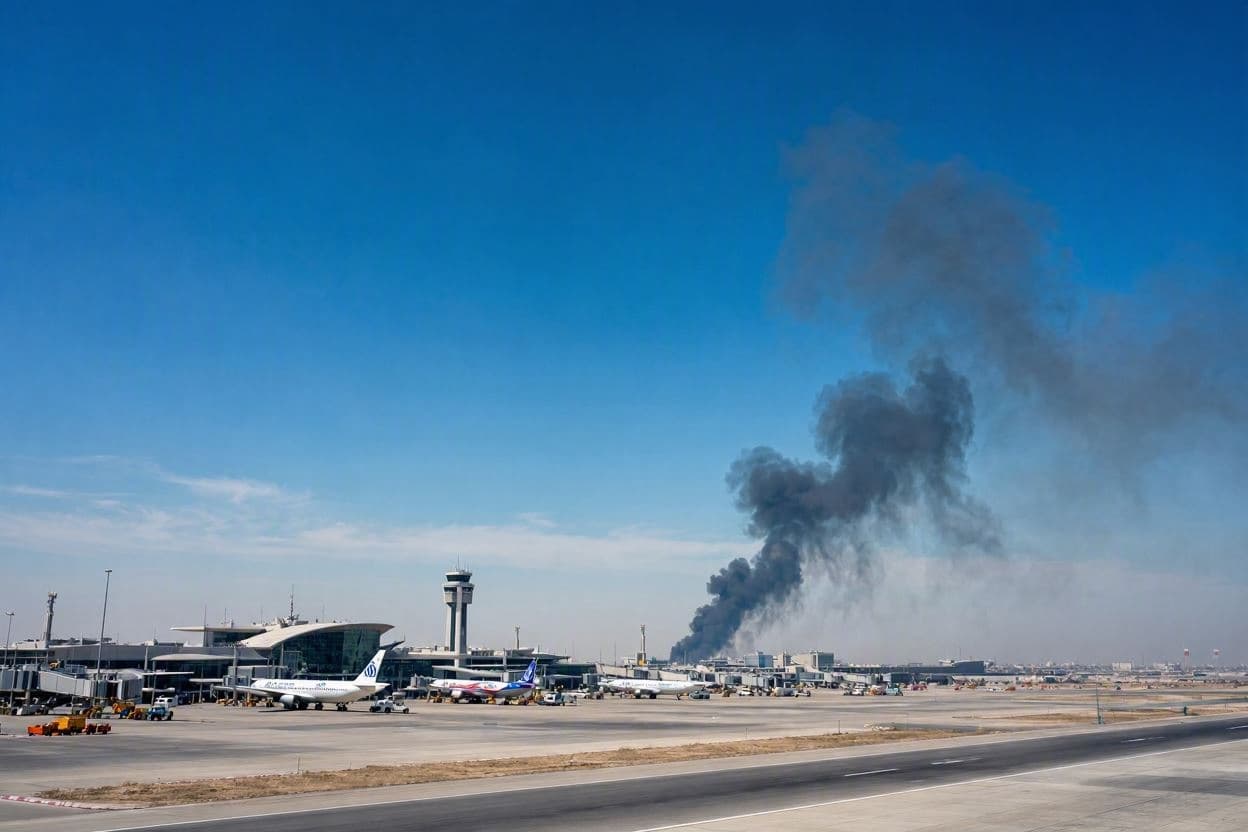
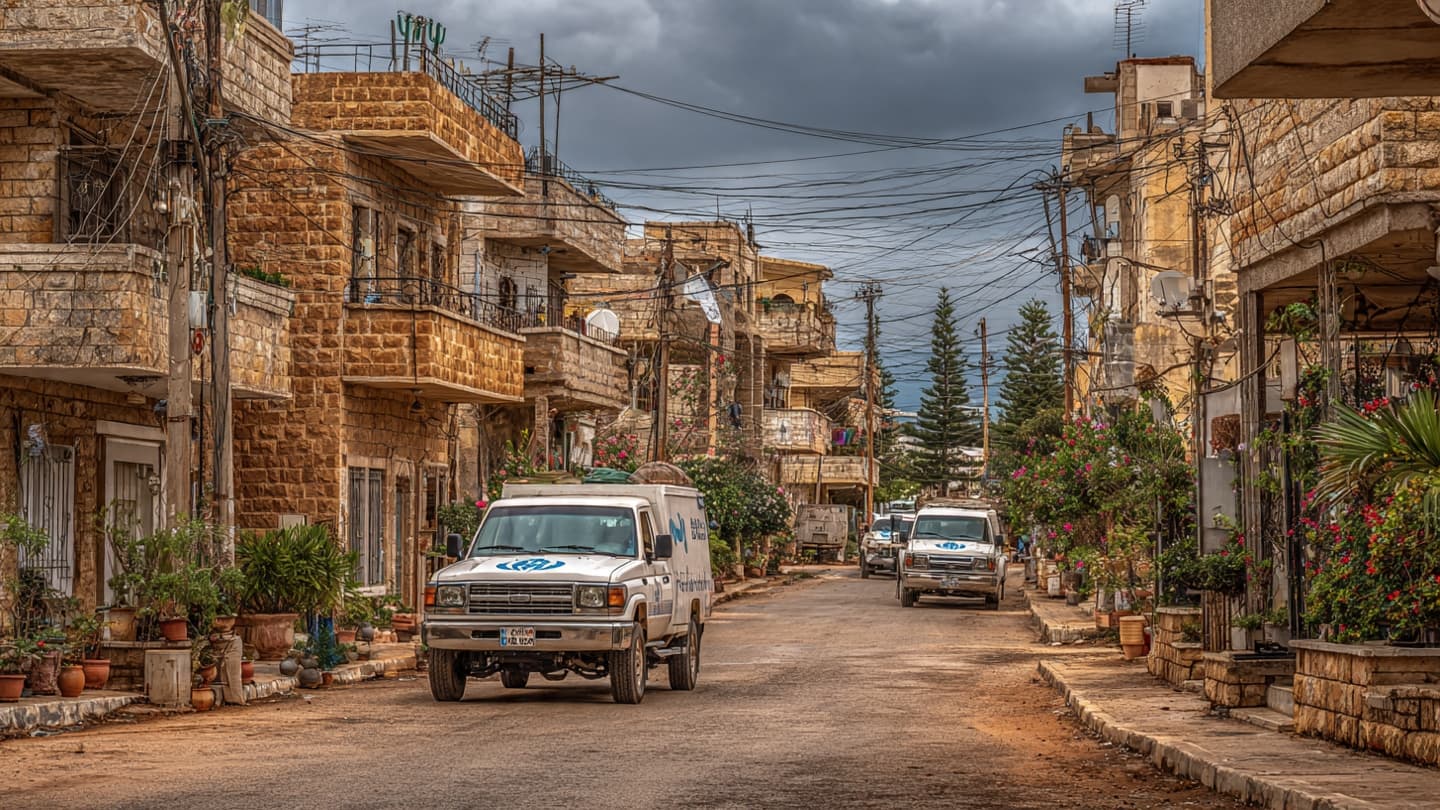
AI Image Disclaimer: The accompanying images for this article are AI-generated visual illustrations created to represent the news context.
Sources Verified Reuters Associated Press BBC News Al Jazeera The New York Times
Published by Banx Network. This article is part of the Banx decentralized media programme, powered by the BXE token on the XRP Ledger.