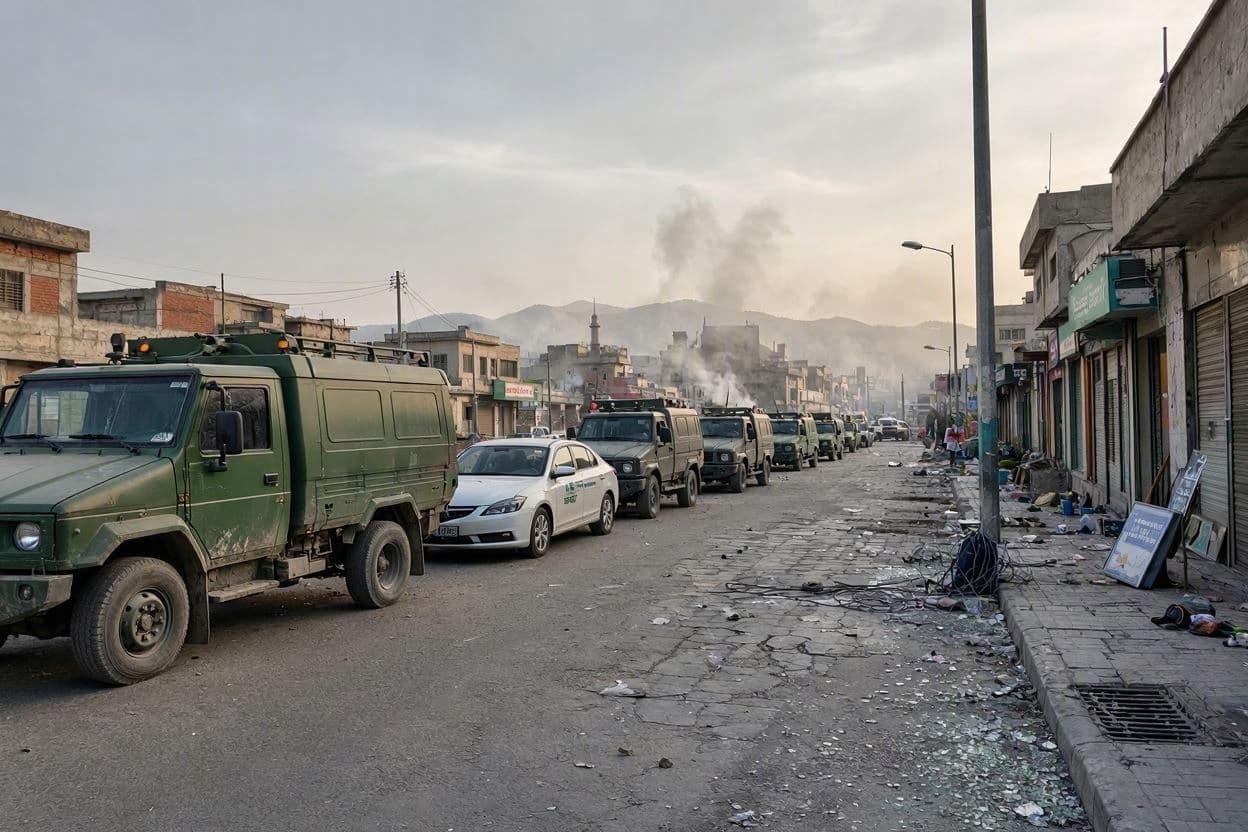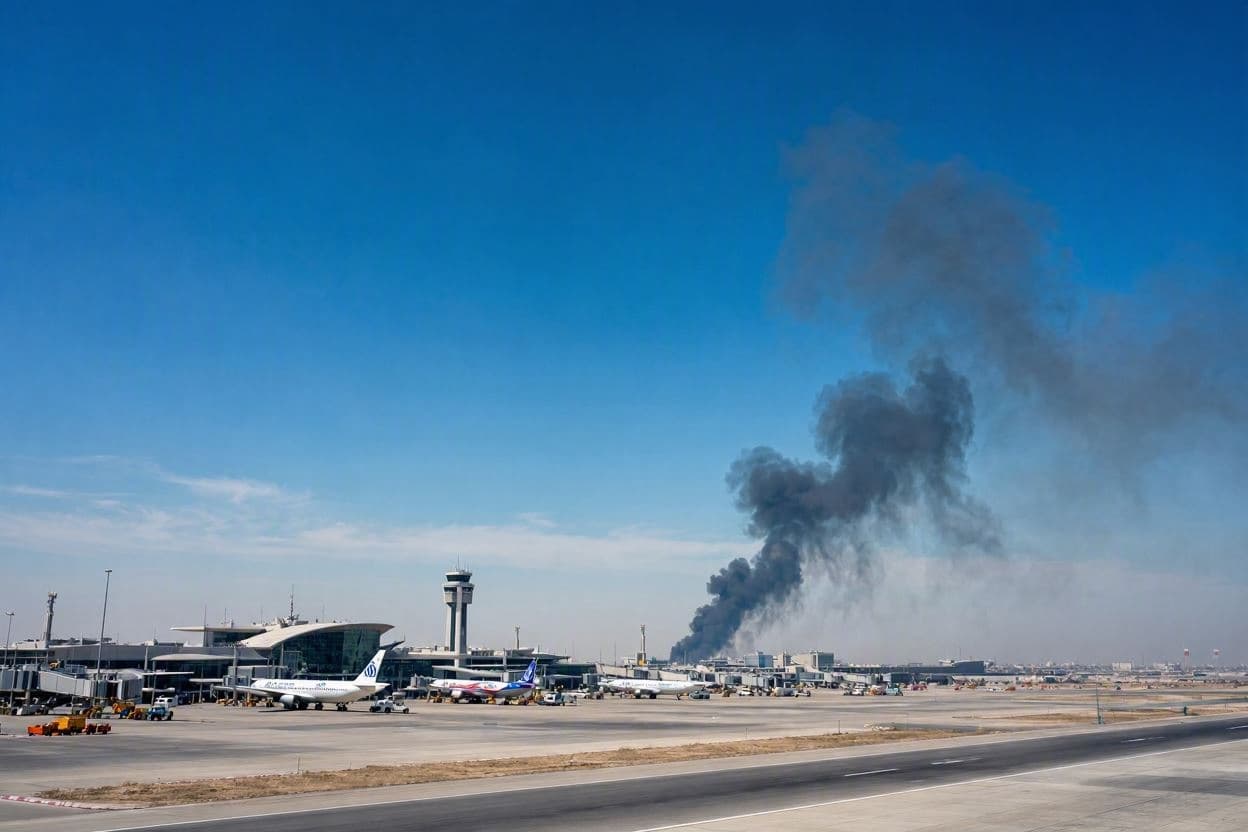
The sky over Riyadh, usually a vast expanse of clear blue or starry night, was recently marked by a darker, more ominous presence. Thick plumes of black smoke rose near King Khalid International Airport, a visual testament to the tensions that have gripped the region. This sight followed the sounding of air raid sirens, the first such alerts in the capital since the recent escalation of hostilities. For residents and observers alike, the image of smoke against the desert horizon serves as a stark reminder of the fragility of peace and the ever-present shadow of conflict in the Middle East.
The incident began with urgent warnings issued by the Saudi Civil Defence, alerting citizens to an aerial threat. These sirens, rare in the modern history of the capital, triggered a wave of anxiety and caution among the population. As people sought shelter, the sky above the airport became the stage for a dramatic confrontation between defense systems and incoming projectiles. The resulting explosions and fires created a thick column of smoke that was visible for miles, capturing the attention of the world.
Eyewitnesses described the scene as both terrifying and surreal. The contrast between the modern infrastructure of the airport and the primal chaos of fire and smoke was striking. Videos shared on social media showed the dark plumes rising steadily, obscuring the sun and casting a gloomy pall over the city. These images circulated rapidly, amplifying the sense of urgency and drawing international concern. They served as a visual narrative of the impact of regional conflicts on civilian life and infrastructure.
Saudi authorities responded swiftly, deploying air defense systems to intercept the threat. The successful neutralization of the immediate danger was confirmed by official statements, which assured the public that the situation was under control. However, the physical evidence of the attack remained in the form of the lingering smoke and the damage near the airport. This duality of relief and residual fear is a common experience in regions affected by prolonged instability.
The source of the attack was linked to the ongoing tensions with Houthi rebels in Yemen. The group has frequently targeted Saudi infrastructure in the past, using drones and missiles to project power and disrupt economic activity. This latest incident underscores the persistent nature of the conflict and the challenges faced by Saudi Arabia in securing its borders and airspace. It highlights the complex web of alliances and rivalries that define the contemporary Middle East.
The impact on aviation was significant, with temporary disruptions to flights at King Khalid International Airport. While operations resumed after the all-clear was given, the event served as a reminder of the vulnerability of critical transport hubs. For travelers and businesses, such disruptions carry economic and logistical consequences, adding another layer of complexity to the region’s stability. The resilience of the airport’s operations, however, demonstrated the robustness of Saudi infrastructure.
International reactions were swift, with calls for de-escalation and restraint from various global powers. The incident has reignited discussions about the need for diplomatic solutions to the Yemen conflict and broader regional security issues. As the smoke clears, the focus shifts to the political and humanitarian implications of the violence. The world watches closely, hoping for a path toward lasting peace and stability.
The thick smoke near Riyadh airport following air raid alerts is a poignant symbol of the ongoing regional tensions. While the immediate threat has been addressed, the incident highlights the continued volatility in the Middle East. As Saudi Arabia maintains its vigilance, the international community continues to urge dialogue and resolution to prevent further escalation and protect civilian safety.
AI Image Disclaimer: Please note that any accompanying visuals are AI-generated interpretations designed to illustrate the scientific concepts discussed.
Sources: Reuters The Telegraph AOL Al Jazeera
Published by Banx Network. This article is part of the Banx decentralized media programme, powered by the BXE token on the XRP Ledger.