In laboratories where quiet hums of equipment mark the passage of discovery, funding often acts as the invisible current that keeps research alive. In Australia, recent concerns about reductions in science research support have sparked reflection on how nations balance innovation with financial planning.
Scientific research rarely moves quickly in public attention, yet its effects often shape long-term progress in medicine, climate understanding, and technology. When funding structures shift, the impact is felt not only in institutions but also in the pace at which discovery unfolds.
Australia’s research ecosystem has historically relied on a combination of government funding and institutional partnerships. Changes to these funding flows can therefore influence not just individual projects, but broader scientific direction across multiple fields.
Critics of funding reductions argue that science requires stability, as experiments, data collection, and long-term studies cannot easily adapt to sudden financial adjustments. Supporters of budget restructuring, however, often emphasize the need for efficiency and targeted investment.
Between these perspectives lies a complex reality: science policy is rarely about simple expansion or reduction, but about prioritization. Decisions about where to allocate resources inevitably reflect broader national goals, including economic development and global competitiveness.
Research organizations have expressed concern that reduced funding may slow innovation pipelines, particularly in areas such as environmental science and advanced technology. At the same time, government agencies often highlight ongoing commitments to core scientific programs.
As Australia navigates these funding discussions, the balance between fiscal responsibility and scientific ambition remains delicate, shaping not only current research but also the foundations of future discovery.
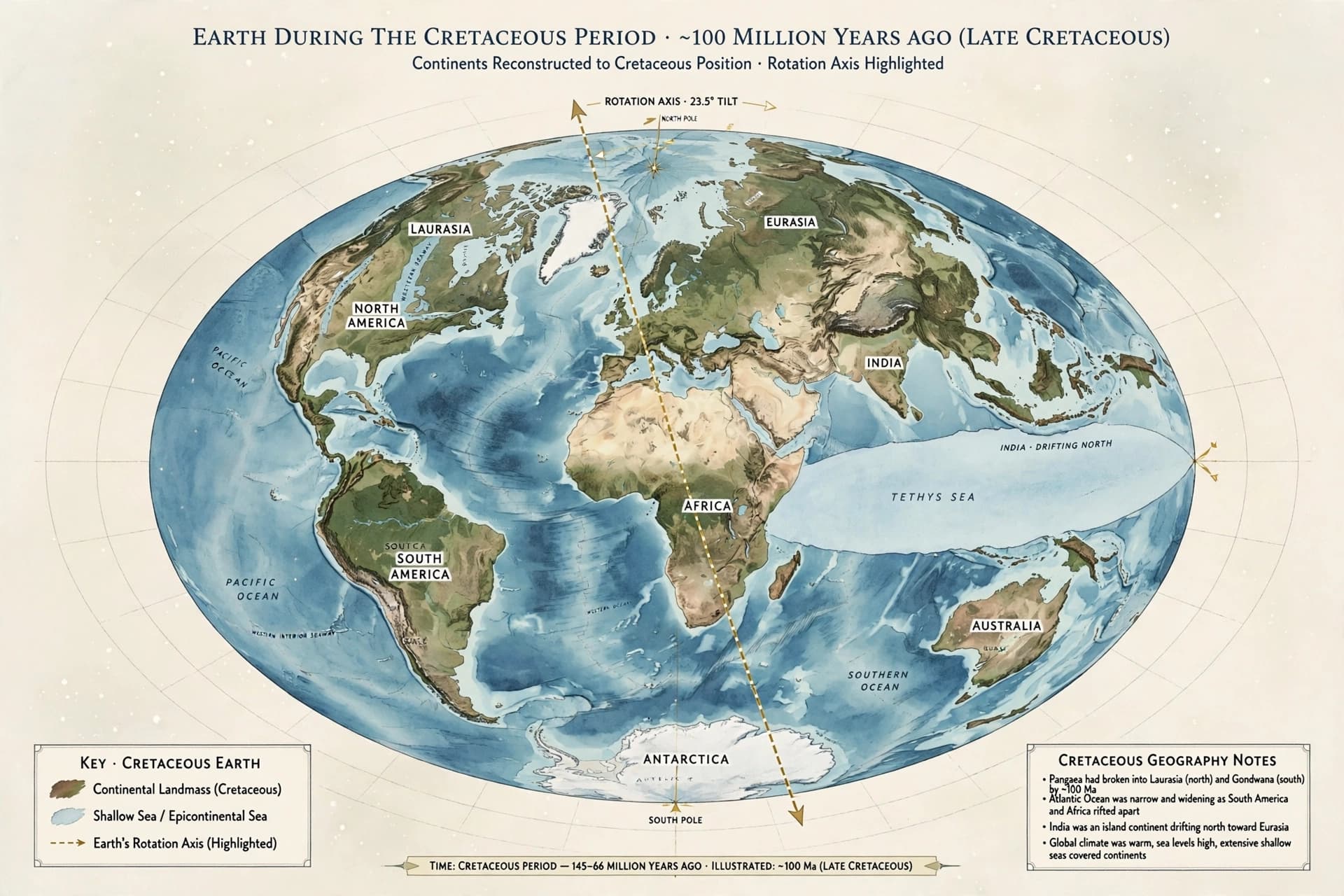
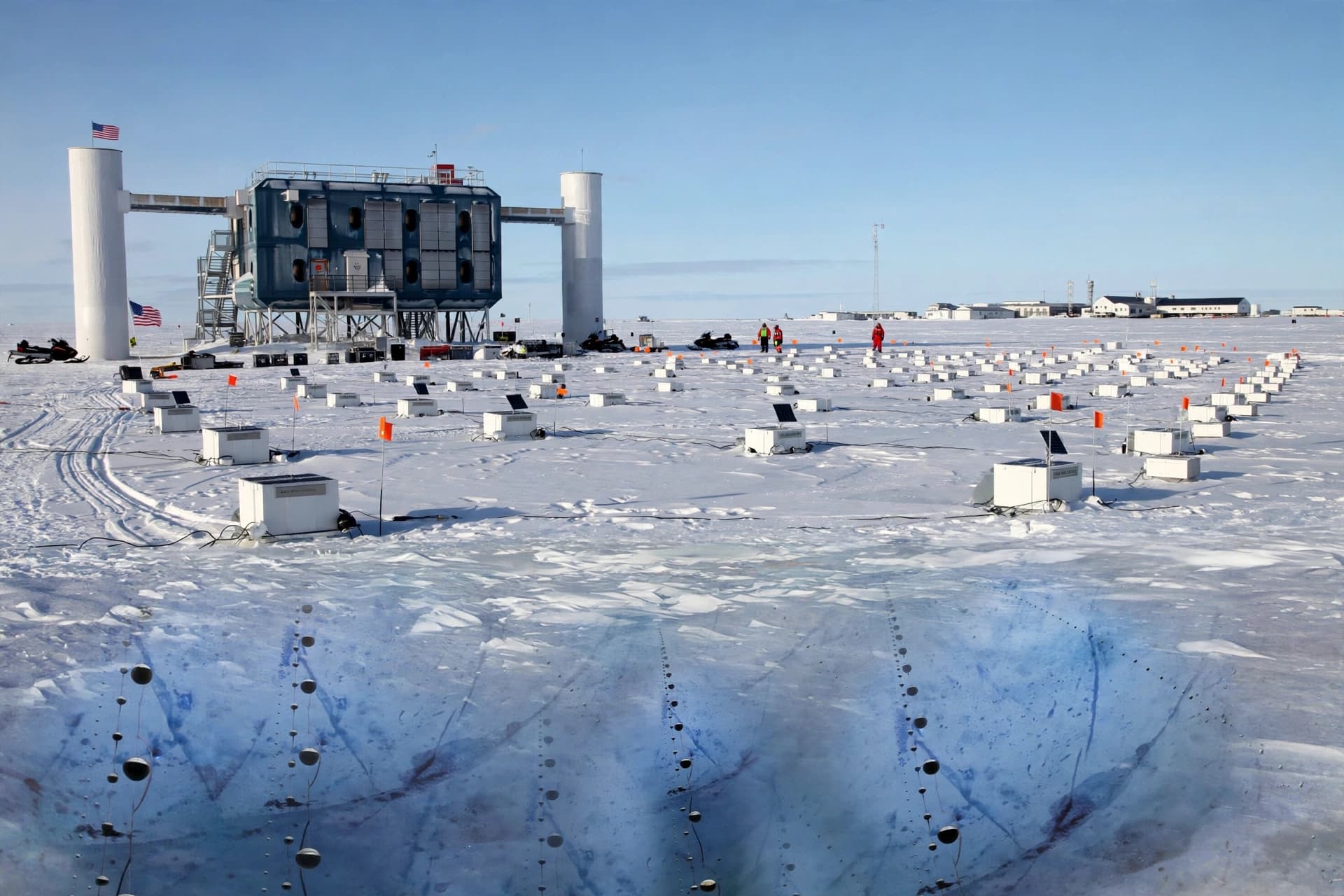
AI Image Disclaimer: Images in this article are AI-generated for conceptual representation of scientific environments.
Sources (media names only): ABC News, The Guardian Australia, ScienceDaily
Published by Banx Network. This article is part of the Banx decentralized media programme, powered by the BXE token on the XRP Ledger.