Morning often arrives quietly across the forests and river communities of the Democratic Republic of Congo. Yet beneath that familiar rhythm, another story has been unfolding—one shaped not by seasons, but by resilience. The renewed spread of Ebola has once again placed communities, hospitals, and healthcare workers at the center of a difficult struggle.
Health authorities in the Democratic Republic of Congo have reported a growing number of Ebola infections, including dozens of cases among frontline medical workers. The development has renewed international concern, particularly because healthcare professionals serve as the first barrier against wider transmission.
According to public health officials, the outbreak has affected several regions, prompting emergency responses from national authorities and international organizations. Medical teams have expanded surveillance efforts, contact tracing operations, and treatment programs in affected communities.
Healthcare workers face particular risks during Ebola outbreaks. Despite protective equipment and established protocols, repeated exposure to infected patients increases the likelihood of transmission. In previous outbreaks, medical personnel also accounted for a significant share of infections.
International agencies, including the World Health Organization, have deployed additional experts and logistical support. Vaccination campaigns targeting close contacts and frontline workers have also been intensified in an effort to contain the virus before it spreads further.
Public health experts note that community trust remains essential. In remote areas, misinformation, logistical challenges, and security concerns can complicate response efforts. Building confidence among local residents is often as important as providing medical supplies.
The Democratic Republic of Congo has confronted multiple Ebola outbreaks over the past decades, leading to improved response systems. Nevertheless, each outbreak presents unique challenges due to geography, population movement, and healthcare access.
Neighboring countries have also strengthened border monitoring and preparedness measures. Regional cooperation is considered critical, particularly in areas where communities regularly move across national boundaries.
For now, health officials continue urging vigilance while emphasizing that early detection, rapid isolation, and coordinated public health action remain the most effective tools for limiting the outbreak's impact.
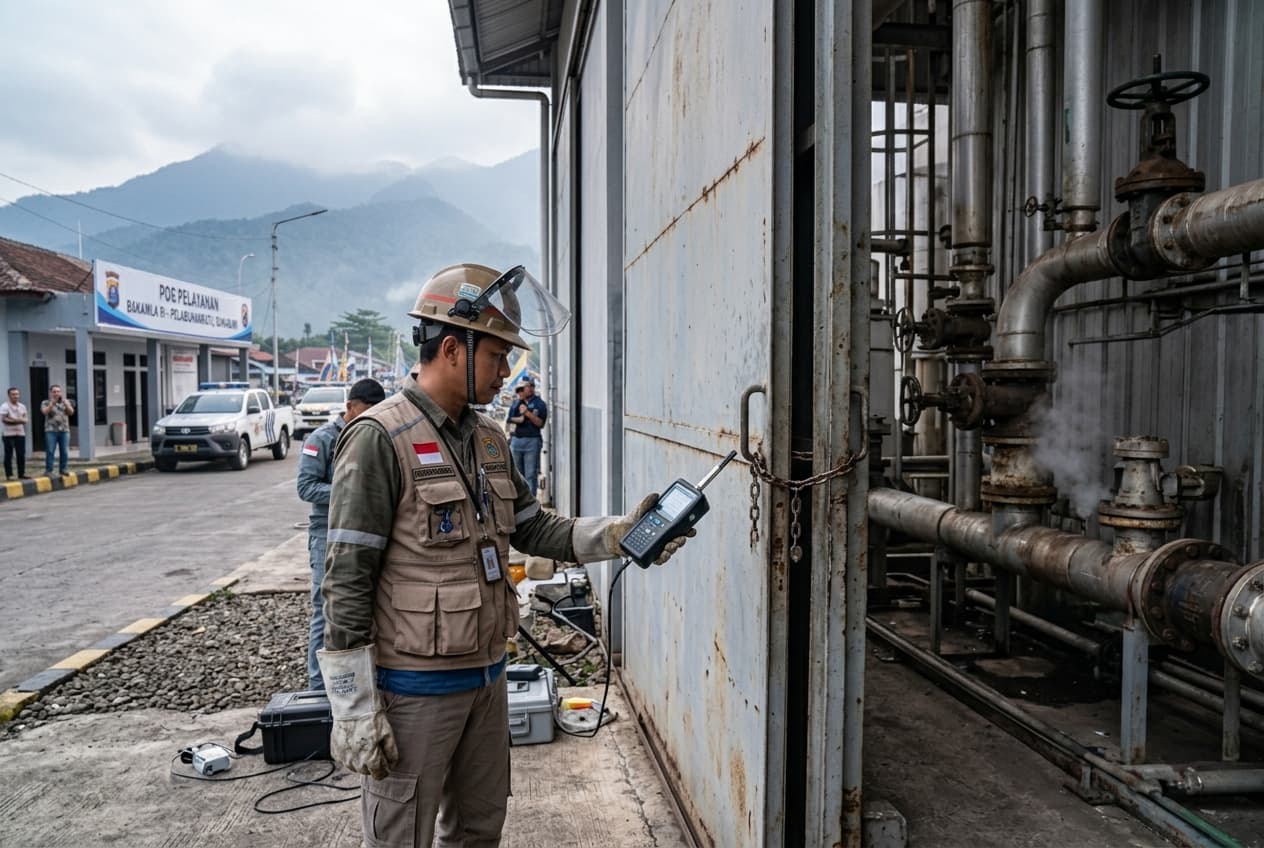
AI Image Disclaimer: Illustrative images accompanying this article were generated using artificial intelligence for visual representation purposes.
Sources Verification Check: Reuters, World Health Organization, Al Jazeera, Associated Press
Published by Banx Network. This article is part of the Banx decentralized media programme, powered by the BXE token on the XRP Ledger.

.jpg&w=3840&q=75 "Qantas Grounds Plane After Passengers Report Bedbug Bites")