There is something quietly intimate about checking the weather. It is often the first gesture of the morning — a small glance toward the sky before the day begins. And yet, for many of us, that ritual has grown oddly frustrating. The forecast feels buried beneath ads, cluttered maps, and alerts that buzz louder than the rain they predict.
In that restless landscape, Acme Weather arrives like a familiar horizon.
Built by members of the original team, the new app presents itself not as a revolution, but as a correction. After acquired Dark Sky and folded its technology into , many longtime users felt the loss of something subtle yet meaningful — a sense of precision delivered with personality. Dark Sky had not simply reported the weather; it interpreted it. It told you when the rain would begin, sometimes down to the minute, in language that felt human.
Acme Weather appears determined to revive that spirit — this time with a notable expansion: Android.
For years, Android users watched from a distance as Dark Sky became exclusive to Apple’s ecosystem. Now, Acme Weather is preparing to launch on Android devices, offering a polished, thoughtfully designed alternative in a marketplace crowded with feature-heavy competitors.
Its premise is disarmingly simple: most weather apps overwhelm. They present layers of radar, endless metrics, and aggressive notifications, yet fail to answer the quiet, practical questions people actually have. Will I need a jacket? Can I walk the dog before it rains? Is the heat going to feel oppressive or manageable?
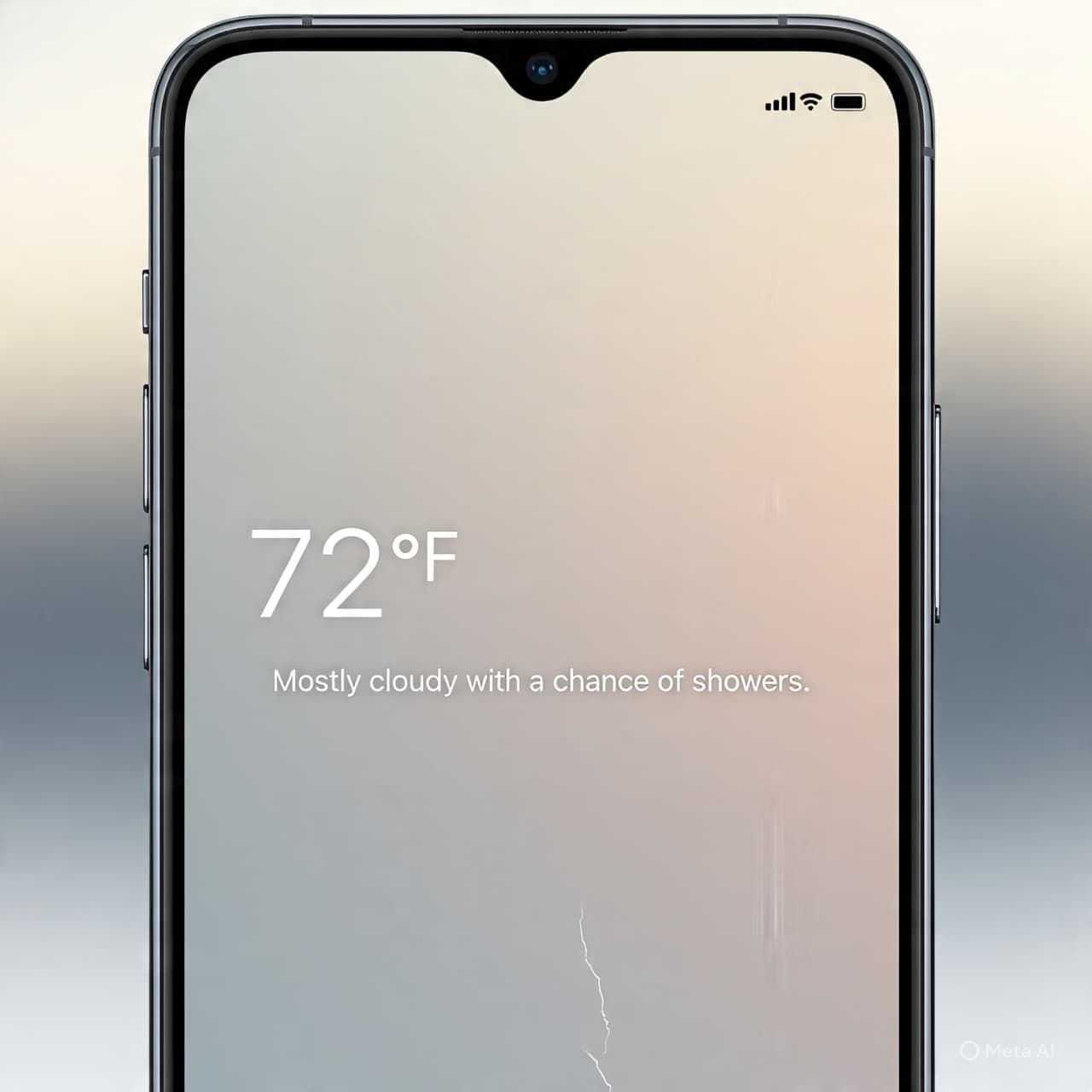
Acme Weather leans into those questions. Early descriptions suggest a streamlined interface, restrained use of color, and an emphasis on contextual summaries rather than raw data overload. Instead of bombarding users with numbers, it translates atmospheric complexity into concise guidance.
There is also a philosophical undertone to its design. Where many apps compete for attention, Acme seems content to earn trust. Fewer distractions. Smarter alerts. A forecast that respects the user’s time. It reflects a broader shift in technology — a growing appetite for tools that assist rather than demand.
Importantly, the Android release signals more than platform expansion. It represents a kind of reconciliation with a community that once felt left behind. Android users, who had embraced Dark Sky before its acquisition, now gain access to a product shaped by the same meteorological DNA.
In practical terms, Acme Weather combines hyperlocal forecasting models with modern design sensibilities. It reportedly integrates high-resolution data and delivers minute-level precipitation tracking, echoing the hallmark feature that once defined Dark Sky. Yet it does so with an updated interface tailored to contemporary mobile expectations.
Of course, the weather app market is not empty. Established players offer comprehensive features and global coverage. Acme enters this space not by trying to be louder, but by trying to be clearer. Whether clarity alone can carve a lasting place remains an open question.
For now, Acme Weather is positioned as an upgraded reboot — a thoughtful successor shaped by experience, arriving on Android with quiet confidence. Availability details and broader rollout timelines are expected to expand as the launch approaches.
AI Image Disclaimer Illustrations were produced with AI and serve as conceptual depictions.
Sources The Verge TechCrunch Ars Technica Bloomberg Wired
Published by Banx Network. This article is part of the Banx decentralized media programme, powered by the BXE token on the XRP Ledger.