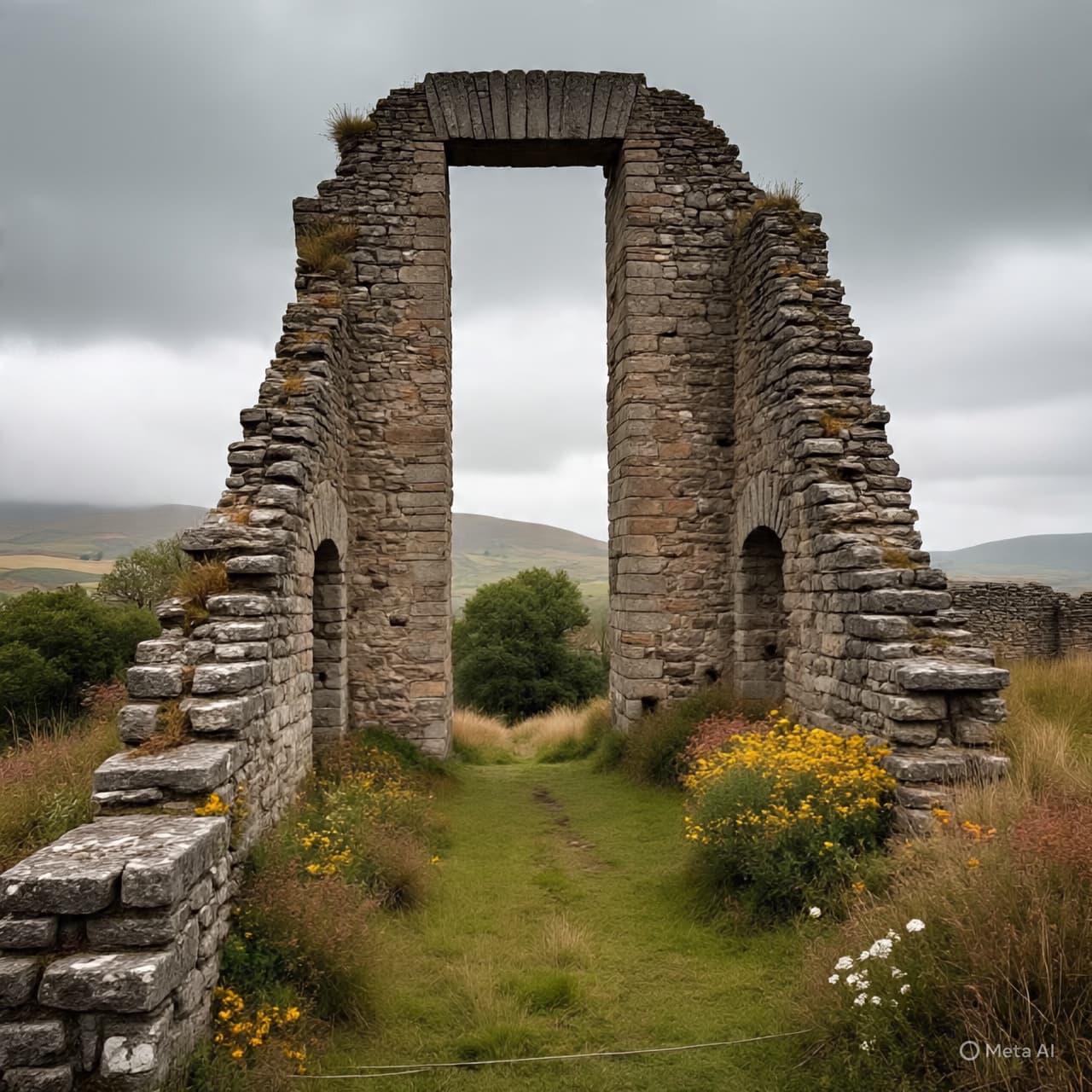
Life at the edge of an empire was rarely comfortable, even when stone walls promised security. Along Hadrian’s Wall, where Roman soldiers once stood watch over the northern frontier, daily endurance mattered as much as military discipline. Recent microscopic discoveries now suggest that discomfort extended deep into the body itself.
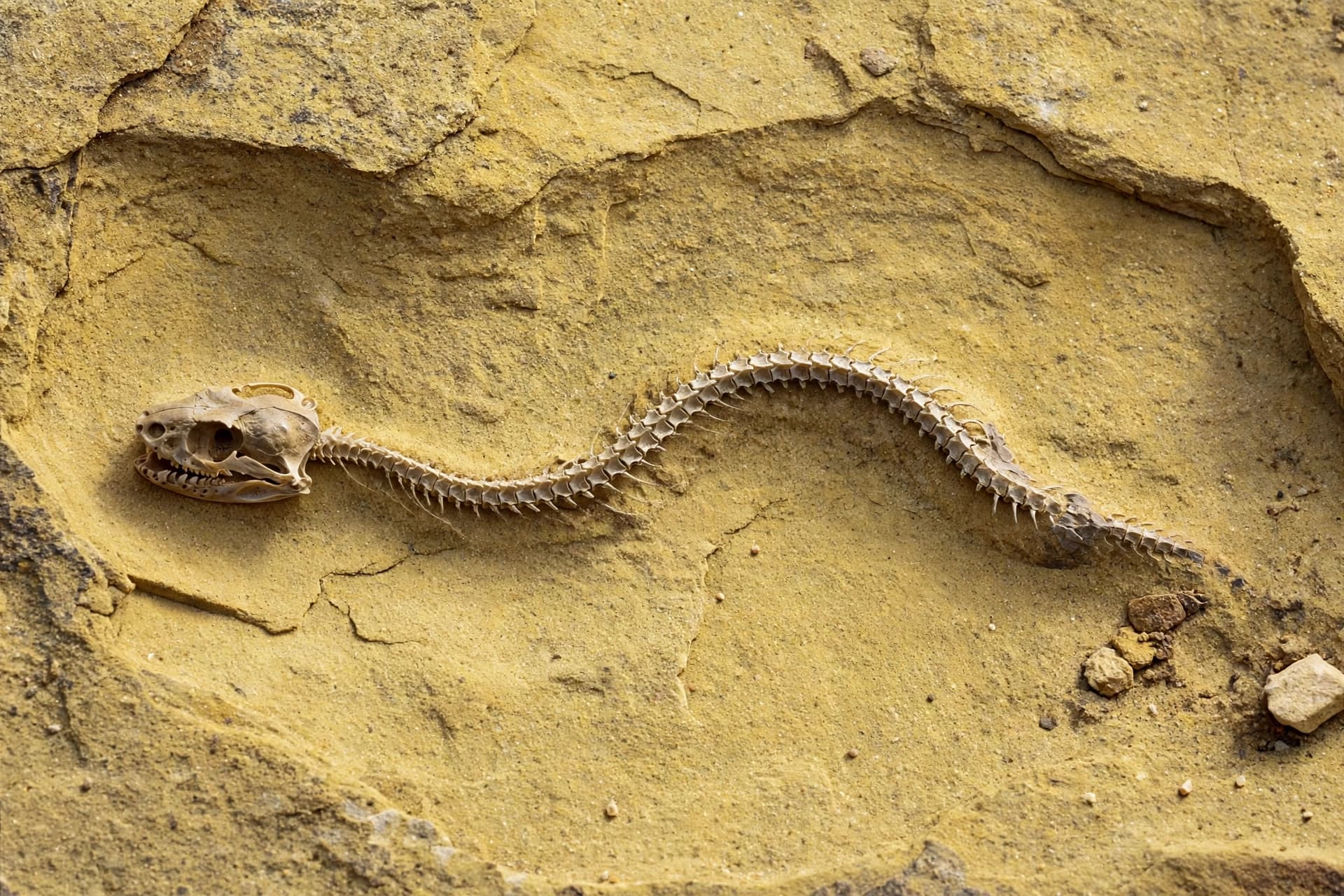
Researchers examining ancient remains from the wall have identified microscopic parasites linked to diarrhea and stomach ailments. Preserved in soil and waste deposits, these traces offer a rare biological record of everyday health among Roman troops stationed far from the heart of the empire.
The parasites point to intestinal infections likely caused by contaminated food or water. Despite Rome’s reputation for engineering prowess, frontier conditions were uneven. Clean water systems were harder to maintain, food was often preserved or transported over long distances, and exposure to livestock and waste was unavoidable.
For soldiers, illness would have been more than an inconvenience. Digestive diseases sap strength and endurance, undermining readiness in an environment where harsh weather and isolation already tested morale. The findings suggest that gastrointestinal illness may have been a common, if unspoken, part of frontier service.
The discovery also complicates assumptions about Roman hygiene. Bathhouses and latrines existed even in remote forts, yet parasites persisted. This points to limits in ancient sanitation, particularly where systems relied on shared facilities and recycled waste as fertilizer.
Beyond military history, the findings add texture to the human story of Hadrian’s Wall. They remind us that imperial power rested on individuals whose bodies bore the consequences of their environment. Disease traveled quietly alongside orders and supplies.
As science continues to recover microscopic traces from ancient sites, the past becomes less abstract. In the parasites left behind, we glimpse the ordinary suffering of soldiers whose lives were shaped not only by duty, but by the unseen organisms that thrived where the empire met its edge.
Published by Banx Network. This article is part of the Banx decentralized media programme, powered by the BXE token on the XRP Ledger.