Key Highlights
- Urgent reforms are needed in South Africa's mining housing sector.
- Human rights organizations advocate for better living conditions for miners.
- Major mining companies pledge increased investment in community development.
The mining belts of South Africa present a stark contrast between the immense wealth extracted from the earth and the persistent struggles faced by those who work to find it. The landscape is dotted with steel headgears, remnants of a once-thriving industry, while the air is thick with red dust and the heavy scent of machinery. This environment is characterized by a vertical journey into the depths of the earth, which sustains the economy but often leaves the human element in a state of neglect.
In recent years, there has been a growing call for reform in the housing conditions of miners, reflecting a social conscience that acknowledges the dignity of those who spend their lives underground. Many workers transition from the modern facilities of the mines to cramped, informal settlements nearby, highlighting a profound disconnect. Advocates argue that the prosperity generated by mineral wealth should be mirrored in the quality of housing available to miners.
Community halls in the North West and Gauteng provinces have become venues for discussions led by human rights groups, focusing on the fundamental right to adequate shelter, sanitation, and security of tenure. This slow and challenging process aims to dismantle the legacy of the old compound system, replacing it with a model that fosters community and family life. The conversations are not just about housing; they are about restoring dignity and ensuring that miners have a place to call home.
As companies begin to recognize that their social license to operate is tied to the well-being of their workforce, the narrative of mining housing is gradually changing. New projects are being designed to replace the isolated hostels of the past, integrating mining communities into the broader urban fabric. This transition requires collaboration among the state, private sector, and workers, representing a tripartite effort to build a more equitable future.
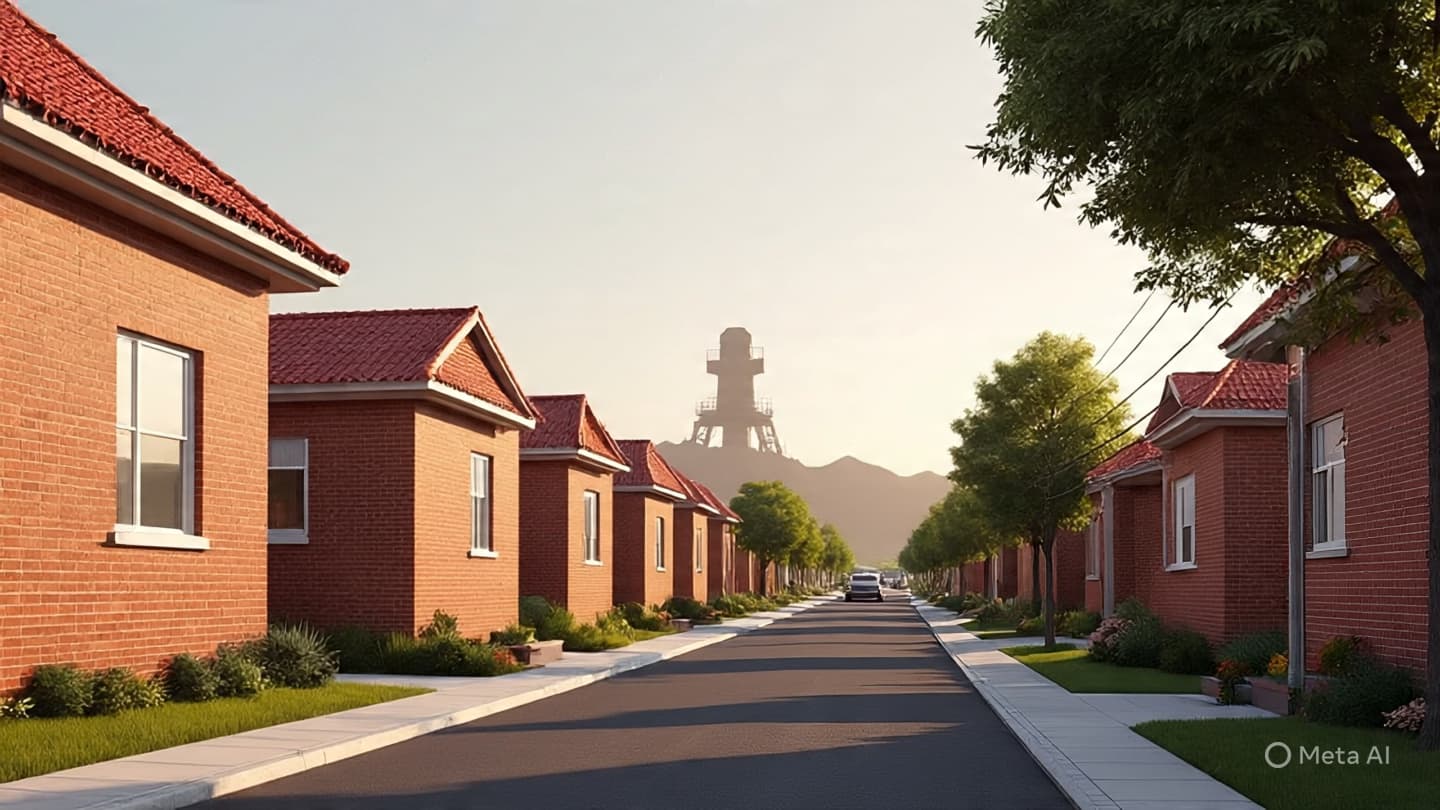
Walking through the streets of a modernizing mining town reveals the first signs of this reform. Newly constructed brick houses with gardens and electricity stand in stark contrast to the corrugated iron shacks that have long dominated the landscape. This scene of quiet progress illustrates that the stability of a permanent home offers a different kind of wealth—one that cannot be measured in carats or ounces.
In corporate boardrooms, the atmosphere is one of strategic reflection as the industry grapples with the pressures of social accountability. There is a growing understanding that the sustainability of the mining sector depends on its ability to address the historic imbalances that have long defined it. The movement for reform signals a maturing industry that is beginning to see its employees as its most valuable asset.
As the shift whistle blows and miners emerge from the cage into the fading light of the afternoon, their journey home begins. The narrative of South African mining is being rewritten, one brick and one roof at a time. The quiet rise of better housing serves as a testament to the power of advocacy and the enduring hope for a life of dignity in the heart of the mineral-rich plains.
Human rights organizations in South Africa have issued a renewed call for urgent reforms in the mining sector's housing and living conditions. They point to the persistence of inadequate infrastructure in many mining towns as a major factor contributing to social instability and health issues among workers. In response, several major mining houses have pledged to increase investment in community development and housing projects over the next fiscal year.
Published by Banx Network. This article is part of the Banx decentralized media programme, powered by the BXE token on the XRP Ledger.