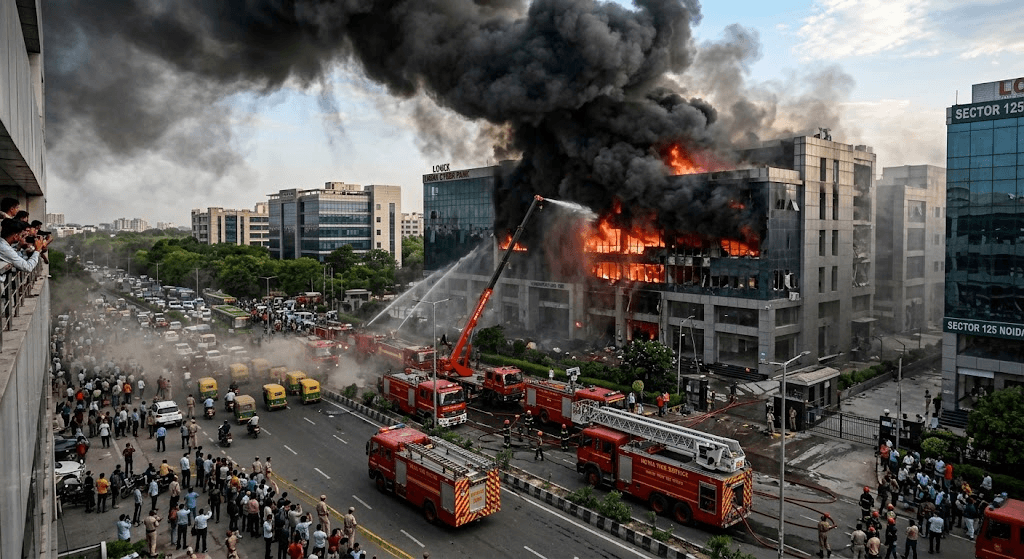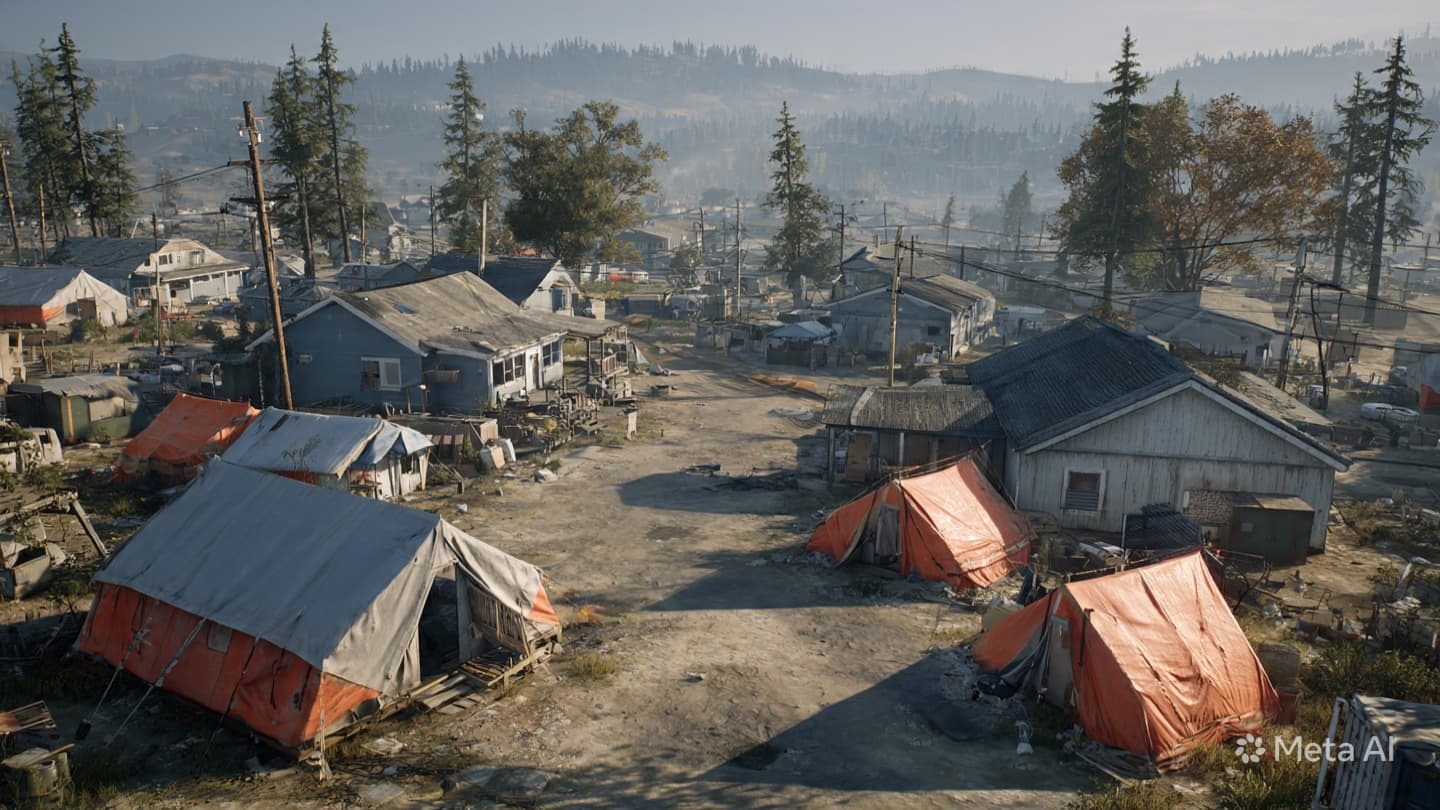
The landscape of a region is often defined by its resilience, yet there are moments when the elements assert a power that defies the endurance of stone and structure. When a storm sweeps through, it does more than damage property; it alters the rhythm of a community, forcing a sudden and profound displacement. The houses that once stood as symbols of stability are left vulnerable, their inhabitants faced with the abrupt task of navigating a new, uncertain reality in temporary shelters.
These dwellings, particularly those under the stewardship of parliament-managed assets, become the focal point of a larger, complex recovery process. The damage is not merely physical; it is an intrusion into the private lives of those who resided within those walls. As they leave behind the personal artifacts and the quiet comforts of their daily routine, they enter a period of flux, where the future is measured in the delivery of aid and the slow progression of debris removal.
The response from authorities is a multi-layered endeavor, involving everything from the immediate provision of tents and food to the long-term planning of reconstruction. It is a process of logistics and compassion, where data—the number of lightly damaged units, the assessment of structural integrity—is weighed against the human need for security. Every displaced family represents a unique story of resilience, their lives momentarily suspended as they wait for the promise of a return to normalcy.
For the residents, the transition to temporary housing is a disorienting experience. The scale of the disaster, whether triggered by a seismic event or a severe meteorological occurrence, leaves an indelible mark on the landscape. As they look toward the horizon, they see not just the remnants of their homes, but the vast, coordinated machinery of a national disaster response at work. It is a scene of both upheaval and organized hope.
The government’s role in this context is to act as an anchor, providing the necessary resources to restore balance to the region. By mapping the damage and expediting the construction of temporary shelters, they acknowledge the necessity of a swift recovery. It is a reminder that in the face of natural disasters, the collective strength of an organized state is the primary instrument of rehabilitation, ensuring that no one is left to face the aftermath in isolation.
Yet, beyond the numbers and the administrative reports lies the quieter, more personal narrative of what it means to be uprooted. The loss of a home is a loss of a primary anchor in the world. It is the disappearance of the familiar sight of a neighbor’s house, the shift in the quality of light through a different window, and the uncertainty of a temporary address. These are the aspects of displacement that are often obscured by the news reports and the data, yet they form the core of the human experience in disaster.
As the cleanup efforts progress, the focus slowly shifts from survival to rebuilding. The process is deliberate, requiring patience and a measured approach to ensure that the new foundations are secure. It is an editorial reflection on the capacity of human communities to rise again, to reconcile with the landscape that has turned against them, and to gradually piece together the fragments of their lives into a coherent, livable future.
In the end, the story of the displaced is one of quiet endurance. It is found in the hands that clear the rubble, the voices that coordinate the aid, and the resolve of those who look toward the future with a tentative but steady gaze. They are the ones who define the true character of a region, demonstrating that even when the physical structures are compromised, the foundation of community remains firmly rooted in the shared experience of moving forward.
Published by Banx Network. This article is part of the Banx decentralized media programme, powered by the BXE token on the XRP Ledger.