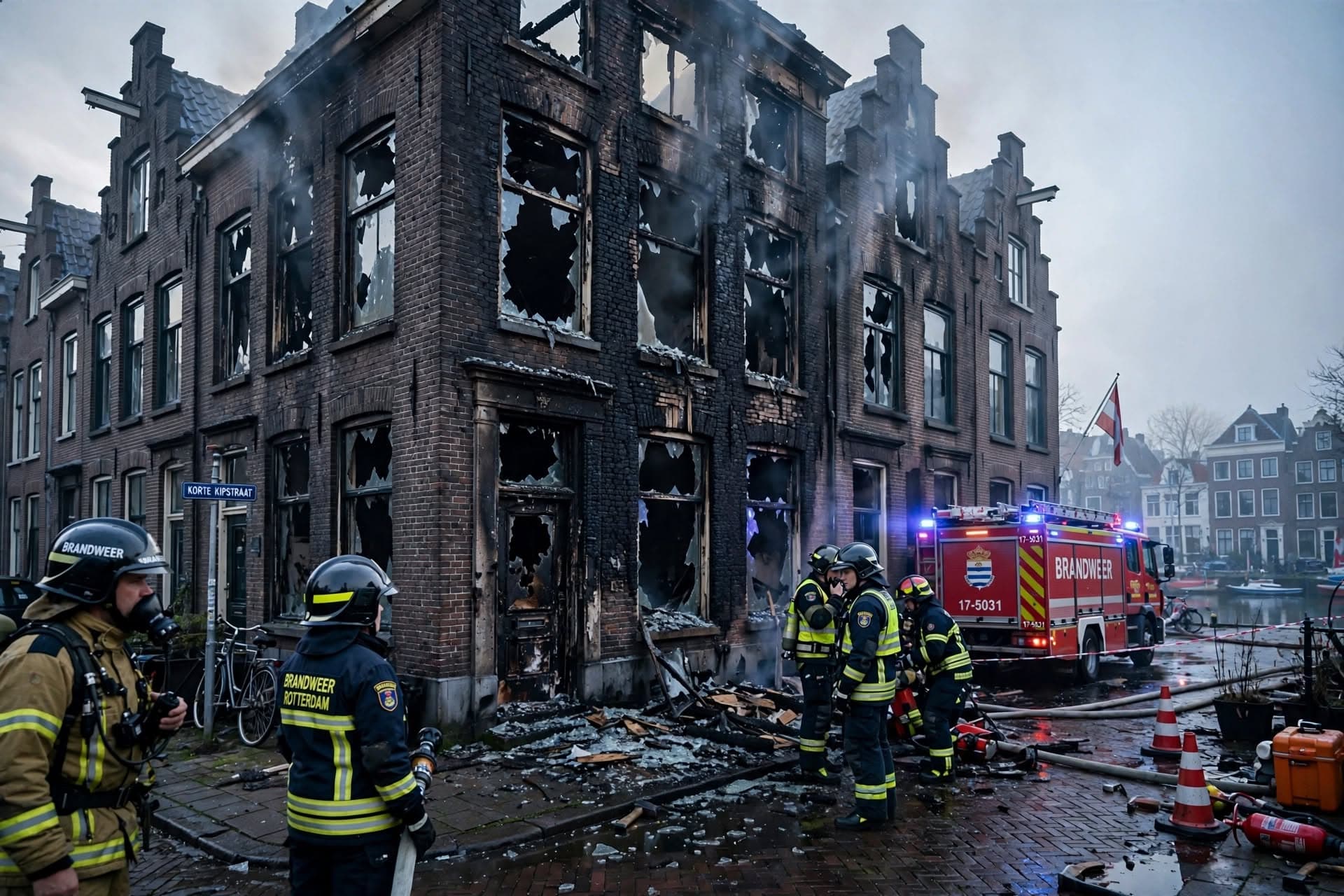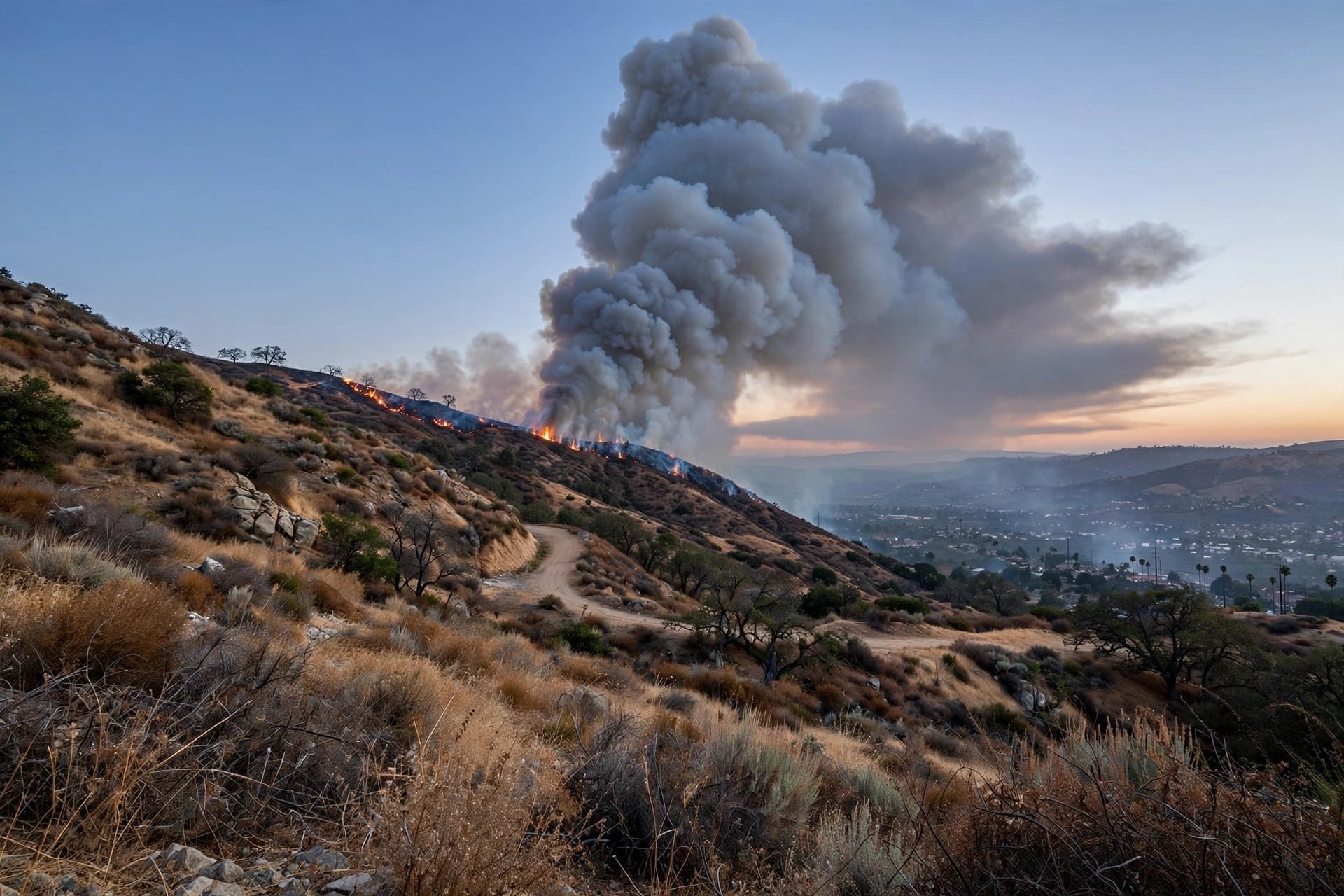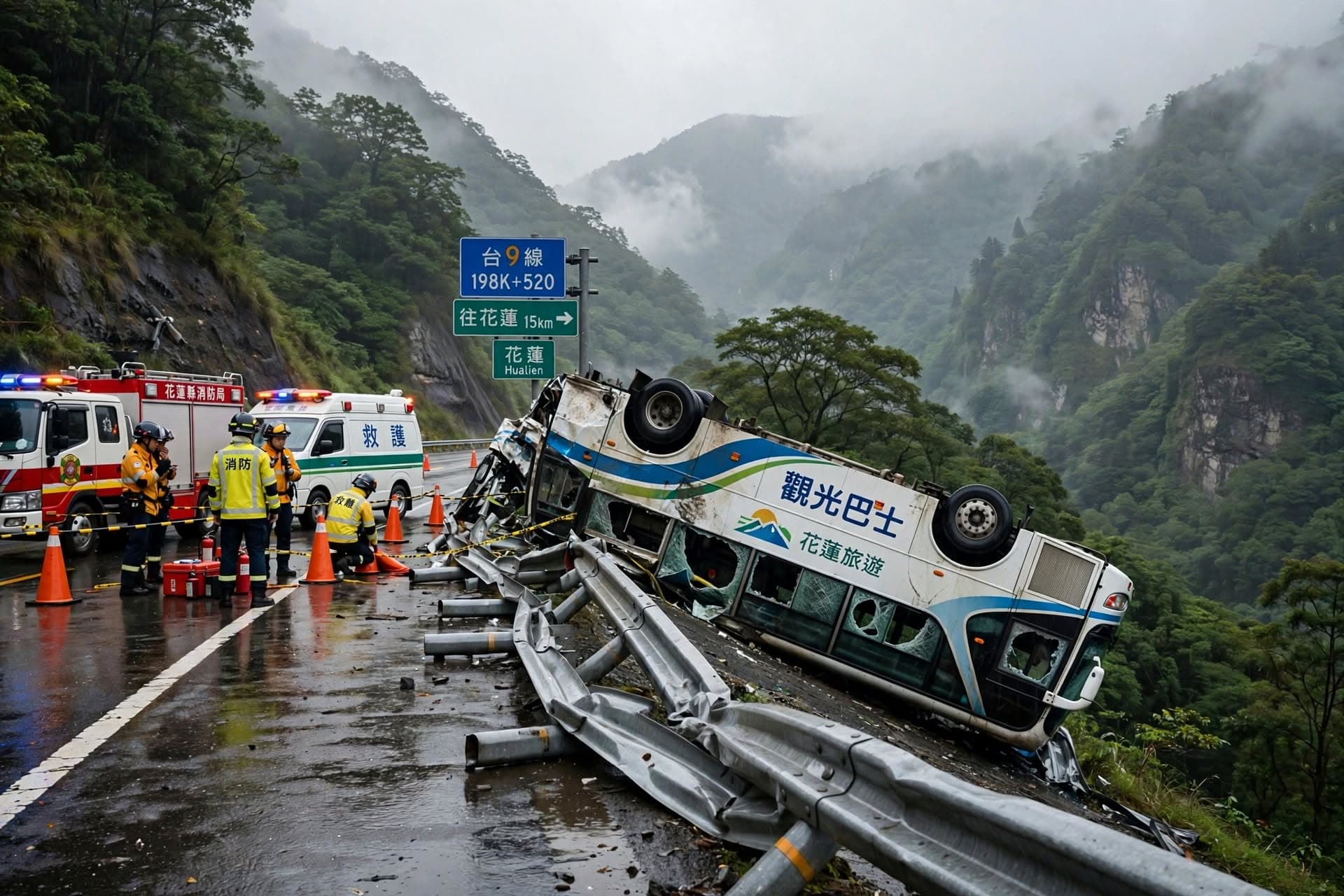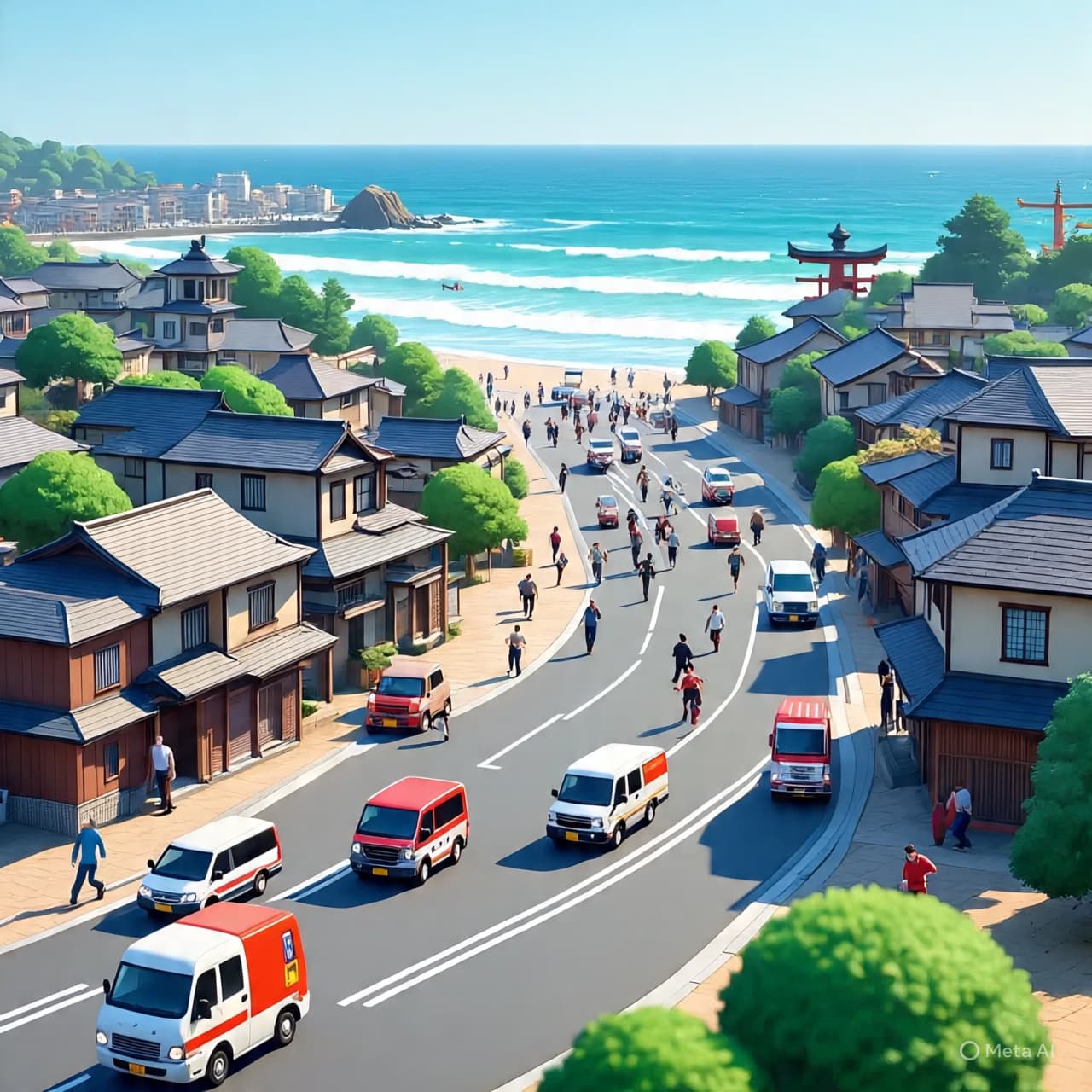
Japan’s eastern coast awoke to a reminder of nature’s latent force when a powerful earthquake struck offshore, prompting immediate evacuation orders and a tsunami warning for residents in vulnerable regions. Though the full impact remains under assessment, authorities acted quickly, mobilizing emergency services and urging people to higher ground as a precaution.
The tremor registered as one of the stronger events in recent years, shaking buildings, rattling infrastructure, and setting off alarms in cities and rural areas alike. Residents reported brief but intense shaking, a jolt that emphasized the archipelago’s ongoing vulnerability to seismic activity. Within minutes, local governments issued evacuation directives, targeting coastal communities and low-lying zones.
Tsunami warnings followed naturally from the quake’s magnitude and offshore epicenter. Japan’s early-warning systems, regarded as among the most advanced in the world, transmitted alerts via mobile devices, sirens, and broadcast channels. Citizens heeded instructions, moving to designated shelters and higher terrain while emergency crews began monitoring coastal waters for waves that could arrive with little notice.
While the immediate focus is on public safety, the event also underscores Japan’s preparedness culture. Decades of experience, drills, and engineering have instilled a sense of urgency and discipline among the population. Buildings are designed to withstand tremors, transportation networks can halt safely, and evacuation routes are clearly marked. In this context, the earthquake is not merely a disaster but a test of resilience.
Geologists and seismologists will now study the event in detail, assessing its magnitude, depth, and potential aftershocks. Historically, offshore earthquakes of similar intensity have generated waves capable of inundating coastal zones, though the exact scale depends on multiple variables including seabed displacement and tidal conditions.
As night falls, emergency operations continue, balancing rapid response with calm management. Shelters provide temporary refuge, and authorities stress that following official guidance remains the best defense. Even in moments of unpredictability, the combination of early warning, community coordination, and public compliance shapes how disaster unfolds—and, in Japan, often prevents worst-case outcomes.
For a country perched atop the Pacific “Ring of Fire,” this quake is both a warning and a reaffirmation of readiness: that vigilance, preparation, and swift action remain essential companions to daily life along its seismically active coasts.
Published by Banx Network. This article is part of the Banx decentralized media programme, powered by the BXE token on the XRP Ledger.