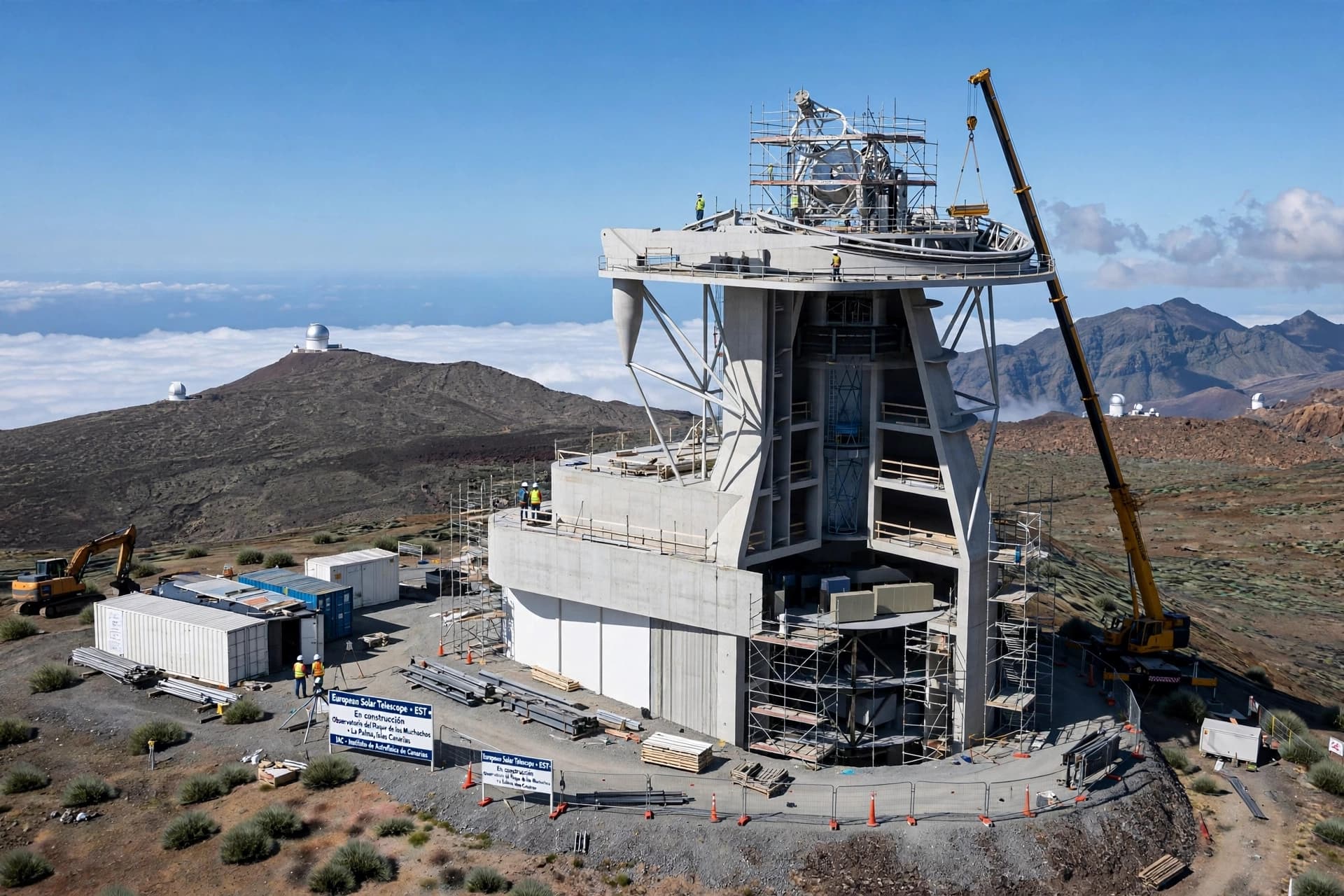
There are places on Earth where silence feels alive — where the deep hum of tectonic plates becomes a language older than civilization itself. Along the Pacific coast of North America, scientists are once again listening to that language with unease. Seismologists now warn that the next “Big One” may not come alone — that the restless Cascadia subduction zone could stir its southern neighbor, the San Andreas fault, into motion.
From Vancouver Island to Northern California, the Cascadia fault stretches like a vast seam holding continents in reluctant embrace. For centuries, it has lain mostly still, but geological records reveal that when it breaks, it does so with cataclysmic force — shaking ground, shifting shorelines, and launching tsunamis that cross oceans. Researchers now suspect that the energies released in such a rupture could transfer stress to the San Andreas system, triggering a sequence of powerful quakes across two of North America’s most populated corridors.
The idea is not new, but its evidence is growing. Sediment cores from the ocean floor have revealed matching quake signatures — “doublets” — suggesting that the Cascadia and San Andreas systems may have once moved in rhythm, separated only by hours or days. If true, this would rewrite our understanding of how far seismic influence can travel, and how one great rupture might awaken another.
The possibility remains theoretical, and scientists are cautious. Earthquakes are not simple dominoes; their interactions depend on the complex exchange of strain, rock composition, and deep-time stress fields. Yet even a small chance of fault coupling has vast implications. A synchronized event could devastate cities from Vancouver and Seattle to San Francisco, crippling infrastructure and testing emergency systems far beyond current design.
Modern modeling techniques have begun to incorporate these scenarios, emphasizing preparedness over panic. Seismologists stress that what matters now is readiness: updated building codes, inter-state coordination, and realistic contingency plans. Nature, after all, keeps no schedule. The question is not whether the Earth will move again — but whether we will be listening when it does.
AI Image Disclaimer
Visuals are created with AI tools and are not real photographs.
Sources
The Guardian LiveScience Los Angeles Times Axios Earth com
Published by Banx Network. This article is part of the Banx decentralized media programme, powered by the BXE token on the XRP Ledger.