As rivers travel toward the sea, they often encounter bends, rocks, and unexpected currents that slow their journey. Diplomacy, too, rarely follows a straight line. It moves through moments of hope, hesitation, and sometimes disappointment, carrying with it the aspirations of nations seeking a way out of conflict.
This week, one such moment emerged from the ongoing war between Russia and Ukraine. Ukrainian President Volodymyr Zelenskiy publicly proposed a face-to-face meeting with Russian President Vladimir Putin, suggesting direct dialogue as a possible path toward ending a conflict that has entered its fifth year. Yet the response from Moscow indicated that such a meeting remains distant.
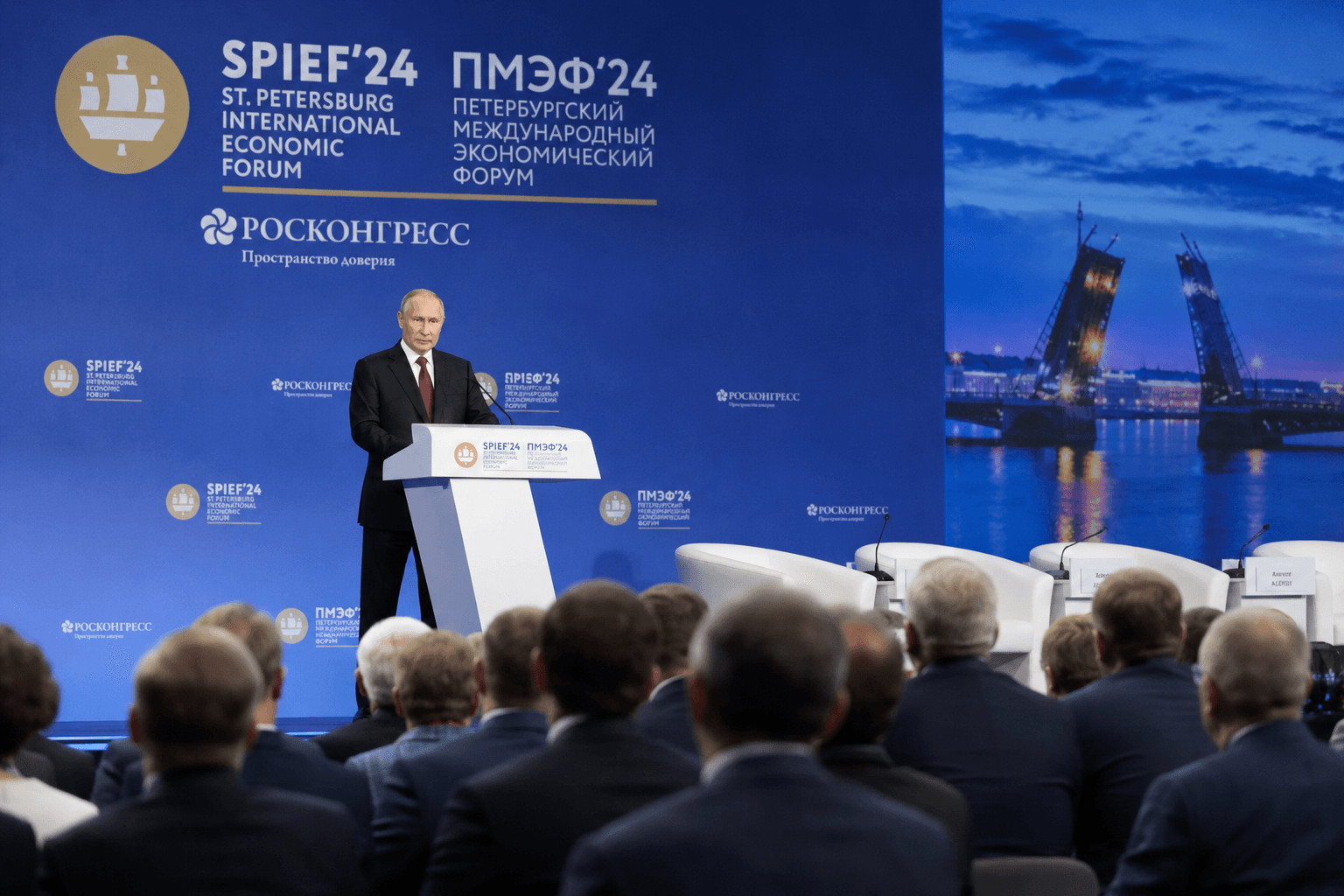
Speaking at Russia's economic forum in St. Petersburg, Putin said he currently sees no reason to meet Zelenskiy. The Russian leader described parts of Zelenskiy's open letter as discourteous and questioned whether the proposal was genuinely intended to create conditions for meaningful talks. According to Putin, substantial agreements should first be developed through expert-level negotiations before any summit between the two leaders could take place.
The exchange reflects the deep divide that continues to separate Moscow and Kyiv. While both sides publicly speak about peace, they remain far apart on the conditions that would make negotiations possible. Ukraine has consistently maintained its position regarding sovereignty and territorial integrity, while Russia continues to insist on its own strategic and political objectives. The distance between those positions remains considerable.
Zelenskiy's proposal carried symbolic significance. Direct meetings between national leaders often represent an effort to bypass procedural obstacles and create momentum where formal negotiations have stalled. In many historical conflicts, personal diplomacy has sometimes succeeded in opening pathways that appeared closed through conventional channels.
However, symbols alone rarely overcome entrenched disagreements. Putin's comments suggest that the Kremlin believes the conditions for such a meeting have not yet been established. His remarks also reflected Moscow's continuing view that preliminary agreements should precede any high-level encounter.
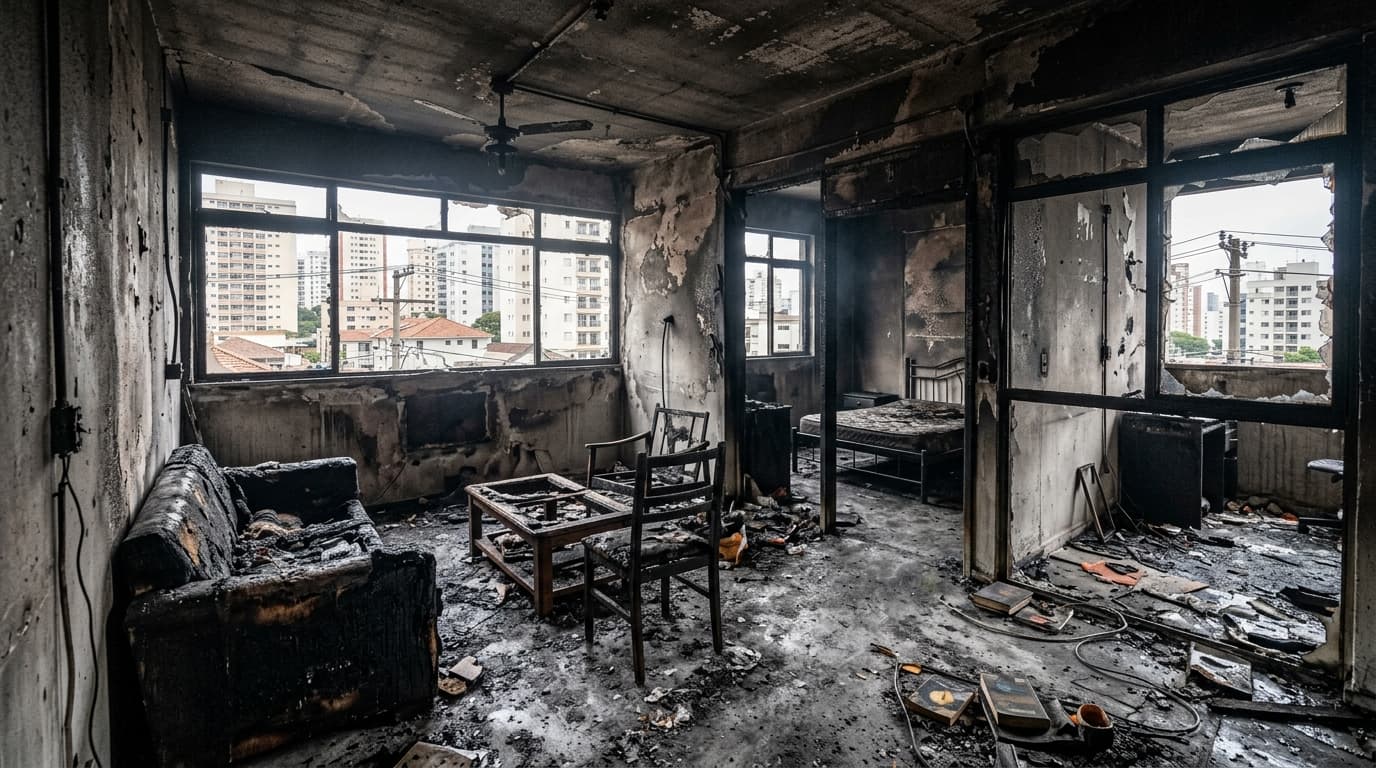
Meanwhile, the broader conflict continues to shape events on the ground. Military operations remain active, while both countries face the human, economic, and political consequences of a war that has altered the security landscape of Europe. Reports indicate that fighting and long-range strikes have continued alongside diplomatic exchanges, underscoring the contrast between discussions of peace and the realities of ongoing combat.
International attention remains focused on whether new diplomatic opportunities may emerge. European leaders continue to coordinate support for Ukraine, while various international actors have expressed interest in encouraging negotiations. Yet for now, the prospect of a direct Putin-Zelenskiy meeting appears uncertain.
For observers around the world, the episode serves as a reminder that diplomacy often advances in small and uneven steps. A proposal may be made, a response may follow, and still the larger questions remain unresolved. Like travelers standing on opposite shores of a wide river, the two sides continue to look toward the same horizon while following very different paths.
At present, Putin's position is clear: he sees no immediate reason for a personal meeting with Zelenskiy. Whether future developments change that calculation remains to be seen. As the conflict continues, attention will likely remain fixed not only on what leaders say, but also on whether conditions emerge that can transform words into negotiations and negotiations into lasting peace.
AI Image Disclaimer:Graphics are AI-generated and intended for representation, not reality.
Sources:ReutersAssociated Press (AP)CBS NewsThe GuardianITV News
Published by Banx Network. This article is part of the Banx decentralized media programme, powered by the BXE token on the XRP Ledger.