
The universe, despite being ancient and vast, continues to present observations that challenge scientific expectations. With the advent of the James Webb Space Telescope, astronomers have gained access to deeper and clearer views of cosmic history than ever before.
Recent observations have identified unusual cosmic structures that do not align neatly with existing models of galaxy formation and evolution. These findings are not considered errors, but rather anomalies that require further study and interpretation.
The James Webb Space Telescope is designed to capture infrared light, allowing it to observe extremely distant objects whose light has traveled billions of years before reaching Earth. This effectively means astronomers are looking back in time.
Some of the detected structures appear to be more developed or brighter than expected for their distance. Others seem to form in ways that challenge current timelines of cosmic evolution.
Scientists emphasize that astronomy progresses through revision. When new data does not match existing models, it often leads to improved theories rather than immediate conclusions.
The process of understanding these anomalies involves repeated observation, cross-verification, and collaboration across global research institutions. Each new dataset helps refine the broader picture of the universe.
While these findings are still under analysis, they highlight the dynamic nature of cosmology, where even well-established models remain open to refinement.
In closing, the universe continues to reveal that it is not static in our understanding, but an evolving field of discovery shaped by each new observation.
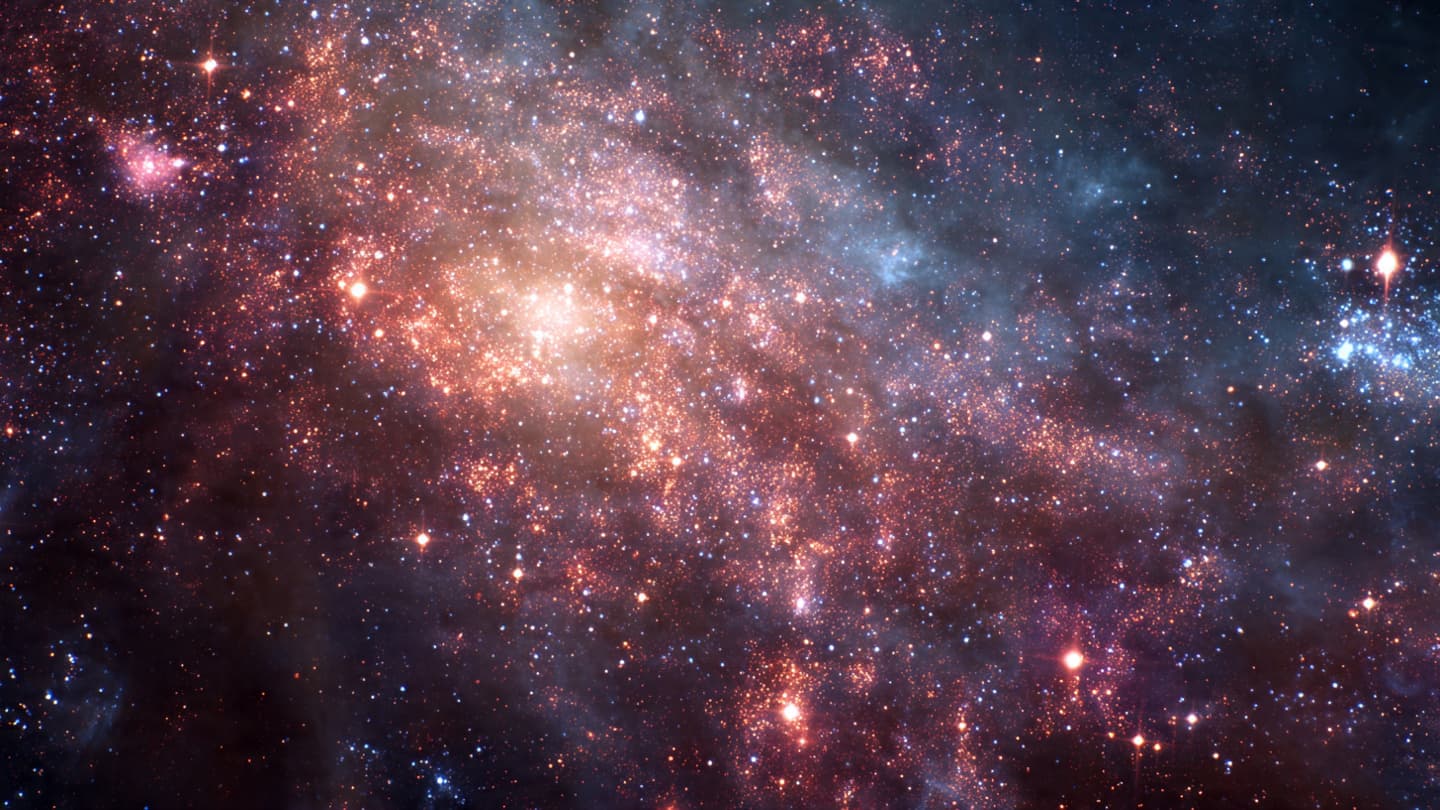
AI Image Disclaimer: All visuals are AI-generated conceptual space renderings.
Sources: NASA, Space.com, Nature Astronomy
Published by Banx Network. This article is part of the Banx decentralized media programme, powered by the BXE token on the XRP Ledger.



