when progress resembles a straight line skyward, and others when it bends quietly back toward the launchpad. Spaceflight has always carried this dual rhythm — ambition paired with patience, countdowns measured not only in seconds but in seasons. As NASA adjusts its plans for Artemis II, postponing the mission, releasing astronauts from quarantine, and preparing to roll the rocket back from the pad, the story unfolding is less about retreat than recalibration.
The Artemis program was designed as a deliberate return to deep space, a stepwise path back to the Moon after decades of orbit-bound missions. Artemis II, intended to carry astronauts around the Moon in the first crewed flight of the Space Launch System and Orion spacecraft, represents a symbolic and technical milestone. Yet symbolism, in spaceflight, must always yield to engineering reality.
Recent reports indicate that NASA chose to delay the Artemis II launch schedule following ongoing evaluations of hardware readiness and system integration. As part of standard pre-launch procedures, astronauts had entered a health stabilization protocol — commonly described as quarantine — to minimize the risk of illness before flight. With the postponement, that protocol was lifted, and the crew was released to resume routine training activities.
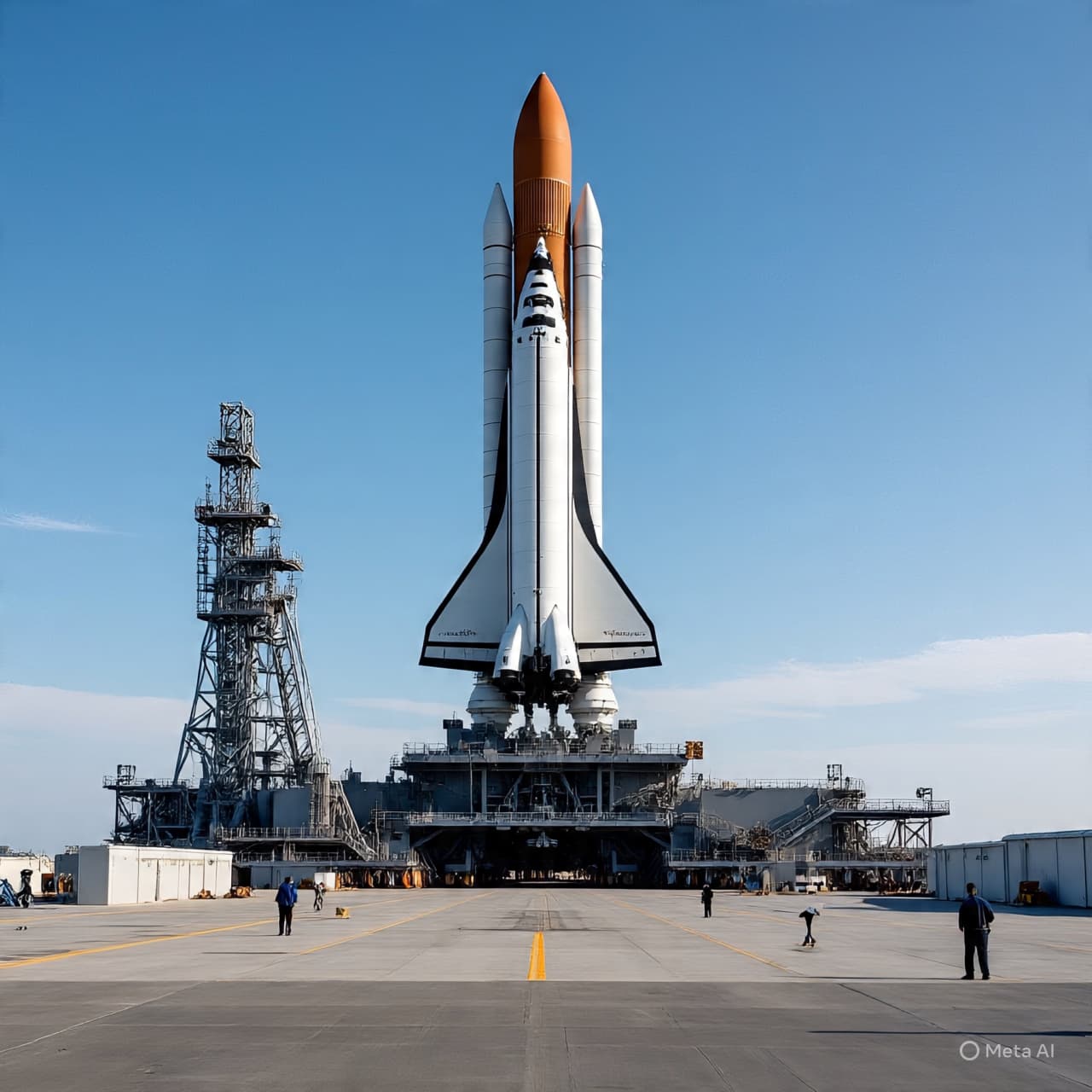
Simultaneously, NASA announced plans to roll the Space Launch System rocket and Orion capsule back to the Vehicle Assembly Building. Such rollbacks are not unprecedented in the history of American spaceflight. They allow engineers to conduct additional inspections, address technical concerns, and ensure that every component meets strict safety standards. The decision reflects an institutional culture shaped by past lessons — where caution is not an obstacle to exploration, but its safeguard.
Officials have not framed the move as a setback, but as a prudent measure in a complex development cycle. Artemis II carries heightened scrutiny: it will be the first crewed lunar mission since Apollo, and the first time astronauts travel beyond low Earth orbit in more than half a century. Each system — propulsion, life support, guidance, heat shielding — must perform with precision.
The Artemis architecture is layered. Artemis I, the uncrewed test flight completed successfully, demonstrated the integrated capability of the rocket and spacecraft. Artemis II builds upon that foundation, introducing the human element. In that context, NASA’s decision underscores a long-standing principle: hardware can be replaced; human lives cannot.
Operational adjustments are common in major space programs. Weather, technical inspections, and supply chain factors can all influence launch windows. Rolling a vehicle back from the pad enables deeper access to subsystems than is possible while it remains in launch configuration. Engineers can review data, conduct additional tests, and implement refinements identified during final readiness checks.
The astronauts themselves remain central to the mission’s narrative. Training continues in simulators, classrooms, and field exercises designed to prepare them for the lunar flyby trajectory. The temporary release from quarantine signals not cancellation, but timing recalibration.
Public anticipation for Artemis II is considerable. The mission represents more than a flight plan; it embodies a strategic return to lunar exploration, with future Artemis missions aiming for sustained presence and eventual crewed landings. International partners, including agencies contributing hardware and scientific payloads, are watching the schedule closely.
NASA has indicated that updated timelines will be shared once technical reviews are complete. The agency maintains that safety and mission assurance remain the guiding criteria for any launch decision.
In the measured cadence of space exploration, postponements are neither rare nor unexpected. They are part of the discipline that allows extraordinary missions to unfold with deliberation rather than haste. For Artemis II, the rollback and release from quarantine may appear dramatic, but they reflect a system designed to pause when necessary.
As engineers return to their checklists and astronauts resume preparation, the broader objective remains unchanged: a crewed journey around the Moon, a prelude to deeper ventures. Exploration moves forward, sometimes by stepping back. And in that careful choreography between ambition and caution, the next chapter of lunar return continues to take shape.
AI Image Disclaimer Visuals are created with AI tools and are not real photographs.
Source Check
Credible mainstream and space-focused coverage on Artemis program delays and operational updates includes:
Reuters Associated Press BBC Space.com Ars Technica
Published by Banx Network. This article is part of the Banx decentralized media programme, powered by the BXE token on the XRP Ledger.