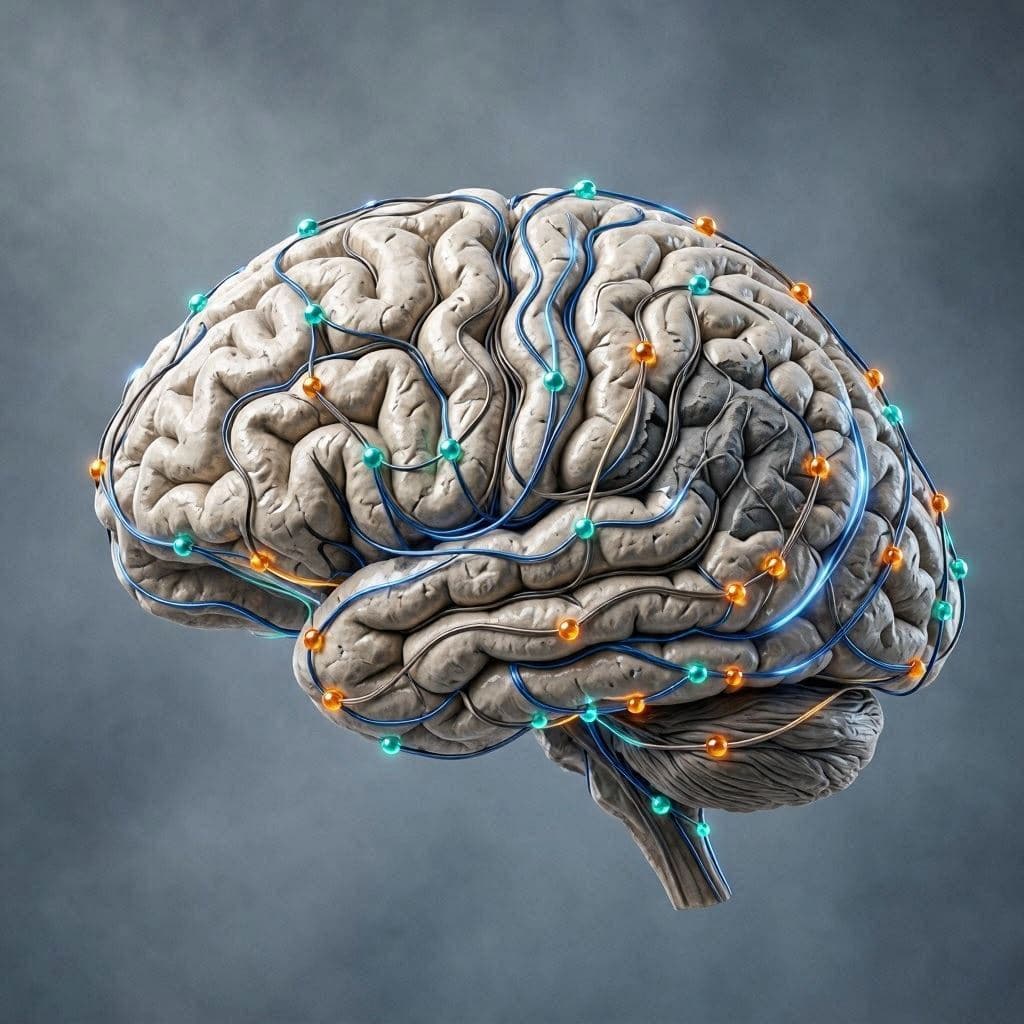
Within the complexity of the human brain lies a quiet mystery that science has long tried to understand. While some individuals experience gradual cognitive decline, others appear to retain sharper memory and function despite similar biological risks.
Body: Recent research in neuroscience has identified potential biological factors that may contribute to resilience against Alzheimer’s disease. These include structural differences in neural connectivity and variations in how the brain processes protein accumulation.
Scientists studying brain tissue samples have observed that some individuals maintain stronger synaptic networks, even in the presence of markers typically associated with neurodegenerative conditions.
This suggests that the brain may possess compensatory mechanisms that help preserve function longer than previously understood. These mechanisms are now a focus of ongoing research in neurology and aging science.
Medical experts emphasize that Alzheimer’s disease remains a complex condition influenced by genetics, lifestyle, and environmental factors. No single protective mechanism fully prevents its development.
However, understanding why certain brains show resilience could help guide future therapeutic approaches aimed at slowing cognitive decline or improving quality of life for patients.
Research institutions continue to study large datasets combining imaging, genetics, and long-term cognitive assessments to better understand these protective patterns.
Closing: While much remains to be discovered, this growing field of study offers cautious optimism for future approaches to brain health and aging.
AI Image Disclaimer: Illustrative visuals in this article may be AI-generated for conceptual editorial use.
Source Verification Check: Nature Neuroscience, NIH Research Reports, ScienceDaily, Mayo Clinic Research, The Lancet Neurology
Published by Banx Network. This article is part of the Banx decentralized media programme, powered by the BXE token on the XRP Ledger.