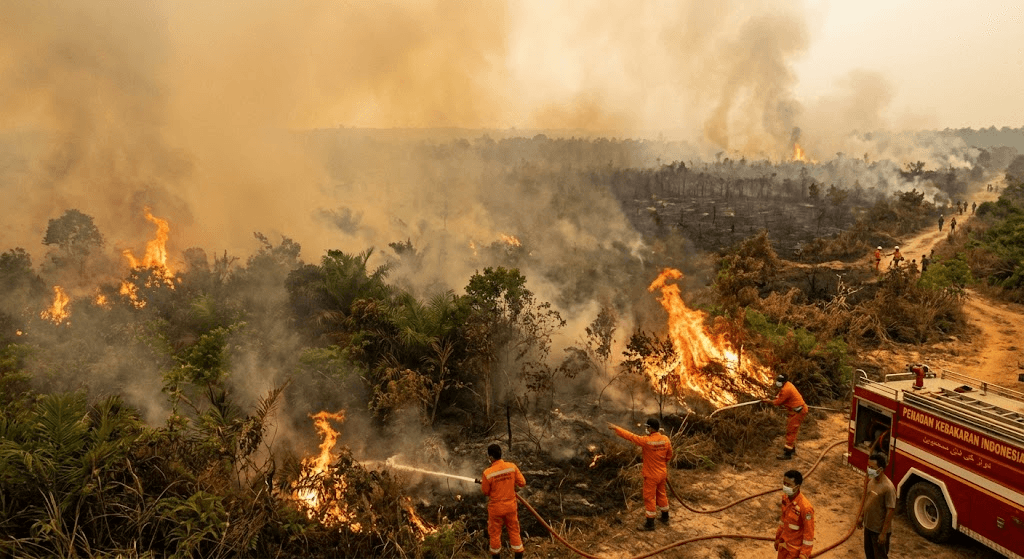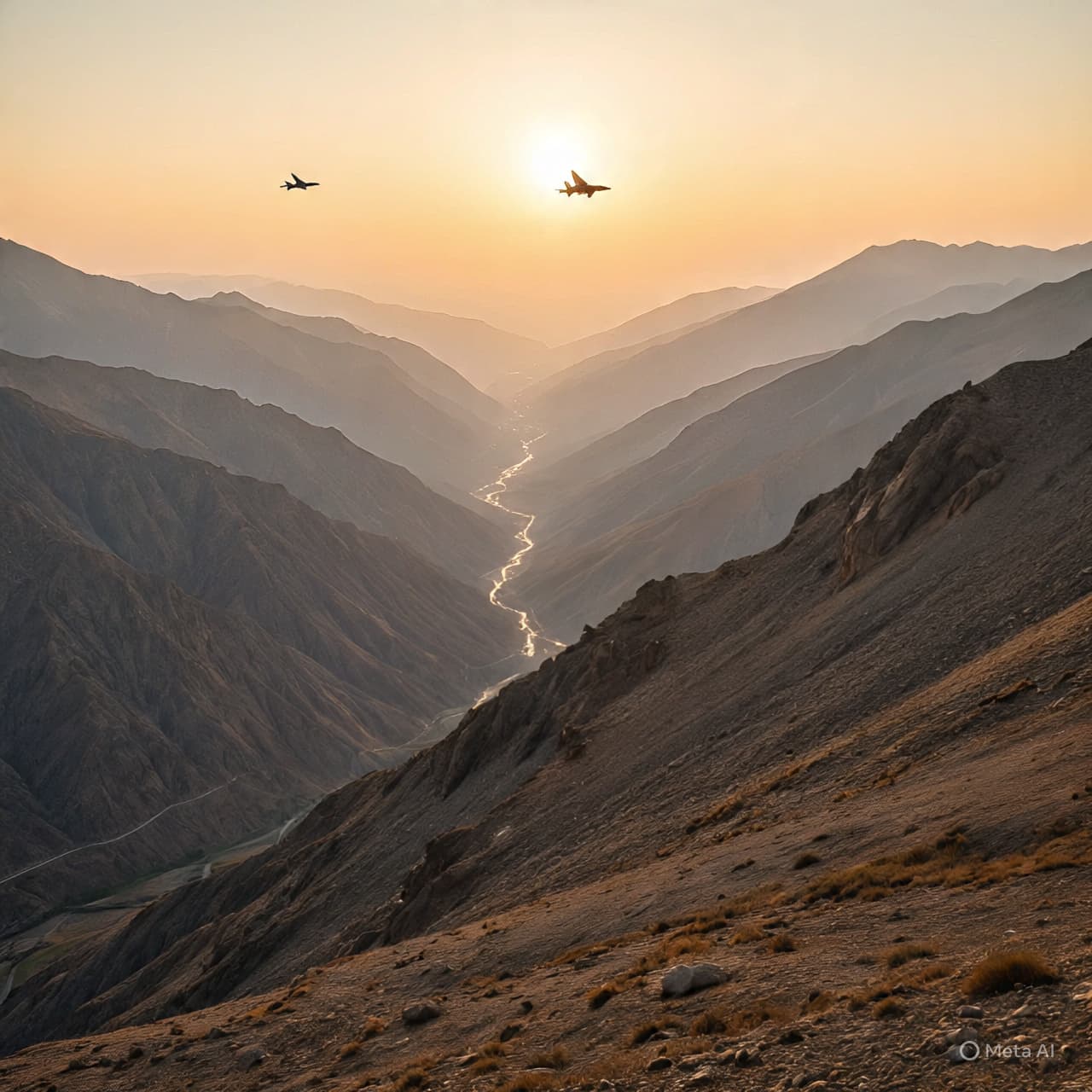
There are mornings when borders feel less like lines on a map and more like fragile threads stretched across mountains. In the quiet folds between Pakistan and Afghanistan, where dust rises with the wind and history lingers like an echo, the sky itself sometimes becomes a messenger. It carries not only clouds, but warnings; not only light, but decisions made far from the valleys it shadows. This week, that sky trembled. Pakistan confirmed it launched airstrikes across the border into Afghanistan, targeting what it described as camps belonging to armed groups accused of staging attacks inside Pakistani territory. Officials in Islamabad framed the operation as a security measure—an effort to dismantle militant sanctuaries they say have fueled violence in Pakistan’s border regions. The strikes reportedly focused on areas believed to harbor members of Tehrik-i-Taliban Pakistan (TTP), a group that has intensified operations in recent months. From Pakistan’s perspective, the calculus appears rooted in urgency. The country has witnessed a resurgence of militant violence, particularly in Khyber Pakhtunkhwa and Balochistan. Security officials argue that cross-border networks exploit porous terrain and political instability, creating safe havens beyond the reach of domestic enforcement. In this narrative, the airstrikes are presented as a message: that sanctuaries, wherever they exist, will not remain untouched. Afghanistan, however, reads the sky differently. The Taliban-led government in Kabul condemned the strikes as a violation of sovereignty, warning that unilateral military action risks inflaming tensions between two neighbors already bound by a complicated history. Afghan officials have repeatedly denied allowing their soil to be used against other countries, even as Islamabad insists that militant infrastructure persists. The border between the two nations has long been more than a physical divide. It is a corridor of tribes, trade, suspicion, and shared memory. Since the Taliban returned to power in 2021, Pakistan initially hoped for a reduction in cross-border militancy. Yet relations have cooled amid mutual accusations and sporadic clashes along the frontier. Analysts note that such operations carry layered consequences. Militarily, airstrikes may disrupt specific targets. Politically, they risk hardening rhetoric on both sides. Diplomatically, they complicate efforts at cooperation in areas such as refugee management, trade, and counterterrorism coordination. The question is not only whether the camps are dismantled, but whether trust—already thin—can withstand another shockwave. For civilians living near the border, these developments are less about strategy and more about survival. Each report of aircraft overhead, each statement issued from a distant capital, resonates locally with anxiety. The terrain does not distinguish between policy and personal life; it simply absorbs the impact. In Islamabad, officials maintain that the strikes were precise and aimed strictly at militant elements. In Kabul, leaders call for dialogue and restraint. Between those positions lies a narrow diplomatic path—one that requires both nations to balance sovereignty with security concerns. The mountains remain where they have always stood, silent witnesses to cycles of confrontation and negotiation. Whether this latest episode becomes a brief flare or a deeper fracture will depend not only on military calculations, but on the willingness of both governments to engage beyond the language of force. For now, the sky has spoken. What remains uncertain is how long its echo will linger.
AI Image Disclaimer
Illustrations were produced with AI and serve as conceptual depictions.
---
Sources
Reuters Al Jazeera BBC News Associated Press Dawn
نُشر بواسطة Banx Network. هذا المقال جزء من برنامج الوسائط اللامركزية من Banx، مدعومًا برمز BXE على شبكة XRP Ledger.