There was a time when creativity was imagined as a solitary act — a painter before a canvas, a writer before a blank page, a composer listening to silence before the first note. Today, the blank page glows. It responds. It suggests. Technology has not replaced imagination, but it has begun to sit beside it, like a quiet collaborator waiting to be asked.
Across industries, digital tools are reshaping how ideas are formed and expressed. Artificial intelligence systems can now generate text, compose music, design graphics, and even produce video from simple prompts. Platforms powered by generative AI are being integrated into creative workflows, offering artists new starting points rather than final answers. The process becomes less about creation from nothing and more about refinement, direction, and interpretation.
Companies such as have embedded AI features into design software, allowing users to expand images, remove objects, or generate visual concepts within seconds. Meanwhile, tools from and other AI developers enable writers and marketers to brainstorm, draft, and edit content with unprecedented speed. These technologies function less like autonomous creators and more like accelerators — shortening the distance between idea and execution.
In music, AI-assisted production tools can analyze styles and suggest harmonies, while filmmakers experiment with AI-generated visuals to prototype scenes before expensive shoots begin. Even architecture and fashion are incorporating algorithmic design, using computational systems to explore patterns and forms beyond conventional limits.
Yet the transformation is not purely technical. It is philosophical. When a machine can generate a painting in seconds, the question shifts from “Can it be done?” to “What does authorship mean?” Critics raise concerns about originality, intellectual property, and the potential displacement of human labor. Supporters counter that creativity has always evolved alongside tools — from the printing press to photography to digital editing software.
Technology’s role in creativity, then, appears less like replacement and more like expansion. The brush became a stylus; the notebook became a tablet; the studio became a cloud platform. Each shift widened access. A teenager with a smartphone can now compose music, edit video, and publish globally without a traditional gatekeeper. Barriers have lowered, though new questions about quality and authenticity emerge in their place.
The transformation continues at a measured pace. Universities, media companies, and independent creators are testing boundaries while regulators and industry leaders debate frameworks for ethical use. As the tools mature, so too does the conversation around responsibility.
In straightforward terms, technology is reshaping creative industries by integrating AI, automation, and digital platforms into everyday workflows. Adoption continues across design, media, music, and publishing sectors. The long-term balance between human originality and machine assistance remains under discussion, but the tools themselves are becoming firmly embedded in modern creative practice.
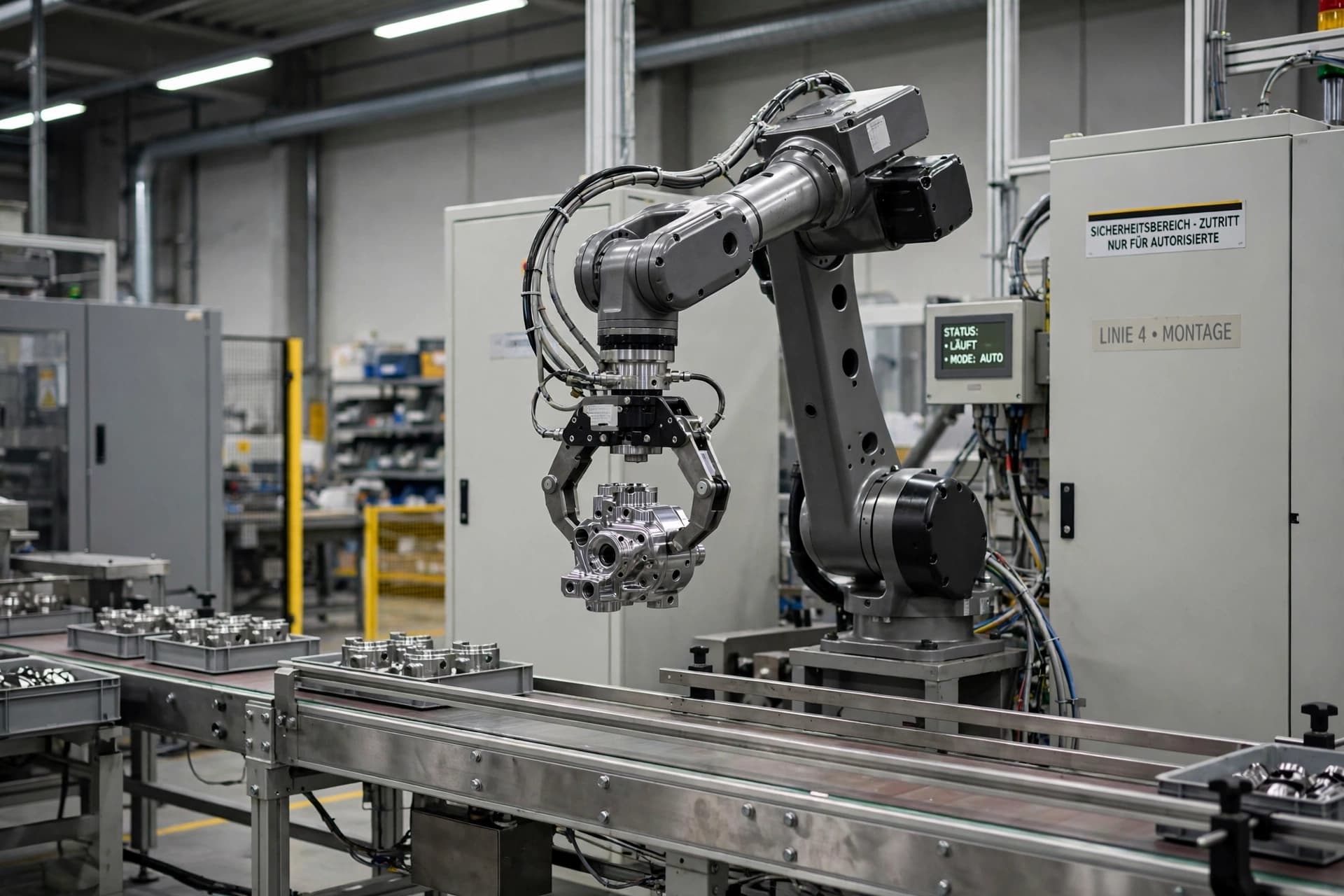
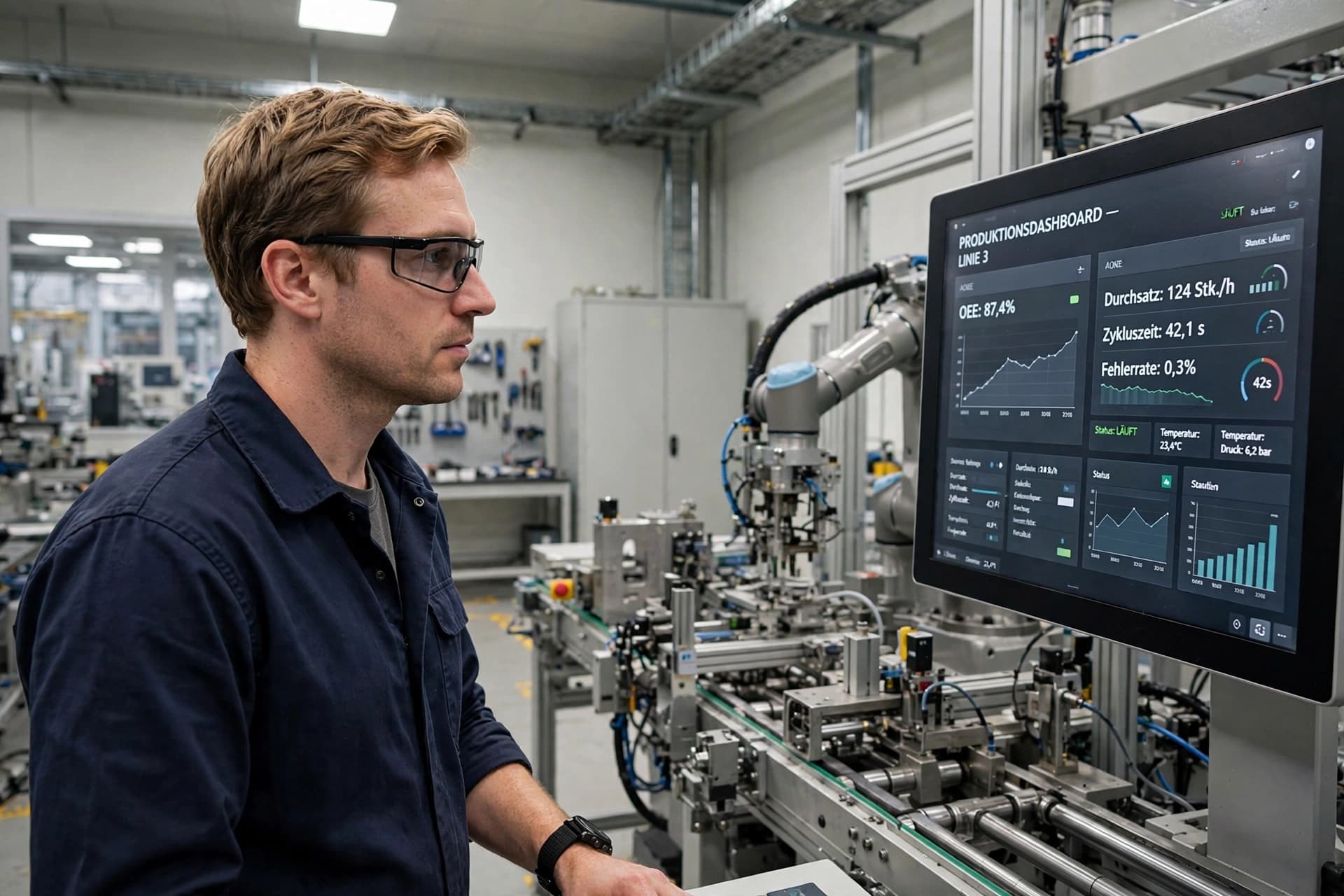
AI Image Disclaimer Images in this article are AI-generated illustrations, meant for concept only.
Source Check — Credible Media Coverage Exists:
The New York Times The Verge Wired MIT Technology Review Forbes
Published by Banx Network. This article is part of the Banx decentralized media programme, powered by the BXE token on the XRP Ledger.