There are moments in economic history when numbers feel less like statistics and more like echoes. The latest figures on UK vehicle production arrive with that quiet weight, carrying the sound of factory floors that once hummed louder, and assembly lines that shaped decades of industrial identity. To say output has fallen to its lowest level since the 1950s is not merely to mark a low point, but to acknowledge a turning of seasons in British manufacturing.
For much of the postwar era, vehicle production stood as a symbol of renewal and modernity. Cars and commercial vehicles rolled out as proof that industry could anchor communities and ambitions alike. Today, that image has softened. Recent data shows a sharp contraction in output, reflecting plant closures, paused investment, and a global automotive sector navigating electrification, trade uncertainty, and shifting demand. The numbers tell a story of contraction, but the context tells a story of transition.
Manufacturers face a narrowing road. Rising costs, supply chain adjustments, and the slow recalibration toward electric vehicles have reshaped priorities. At the same time, geopolitical realities have begun to tug at industrial planning. Some companies are now weighing whether parts of their capacity might be redirected toward defense-related production, responding to increased government focus on security and resilience. It is a consideration that reflects caution rather than urgency, contemplation rather than commitment.
This potential shift does not signal an abandonment of automotive heritage, but it does suggest a search for stability in an uncertain climate. Defense manufacturing offers longer-term contracts and clearer demand signals, qualities that can feel reassuring when consumer markets are volatile. Yet the move also raises questions about skills, investment, and identity—how easily one form of precision manufacturing can flow into another without losing its core purpose.
The workforce remains central to this moment. Thousands of jobs are tied to vehicle production, and each reduction in output ripples through supply chains and local economies. For many workers, the debate is not abstract. It is about continuity, retraining, and whether the next chapter of British industry will still have room for the expertise built over generations.
As policymakers and industry leaders consider their options, the tone has remained measured. There is acknowledgment of decline, but also of opportunity. Electric vehicles, advanced manufacturing, and defense contracts are all seen as possible paths forward, not competing destinies but parallel tracks that may yet converge.
For now, the figures stand plainly. UK vehicle output has fallen to levels not seen since the mid-twentieth century. Companies are reassessing their strategies, including the potential for defense-related production, while government and industry continue discussions on how best to support manufacturing’s next phase. The direction ahead remains open, shaped by choices still being weighed rather than decisions already fixed.
AI Image Disclaimer
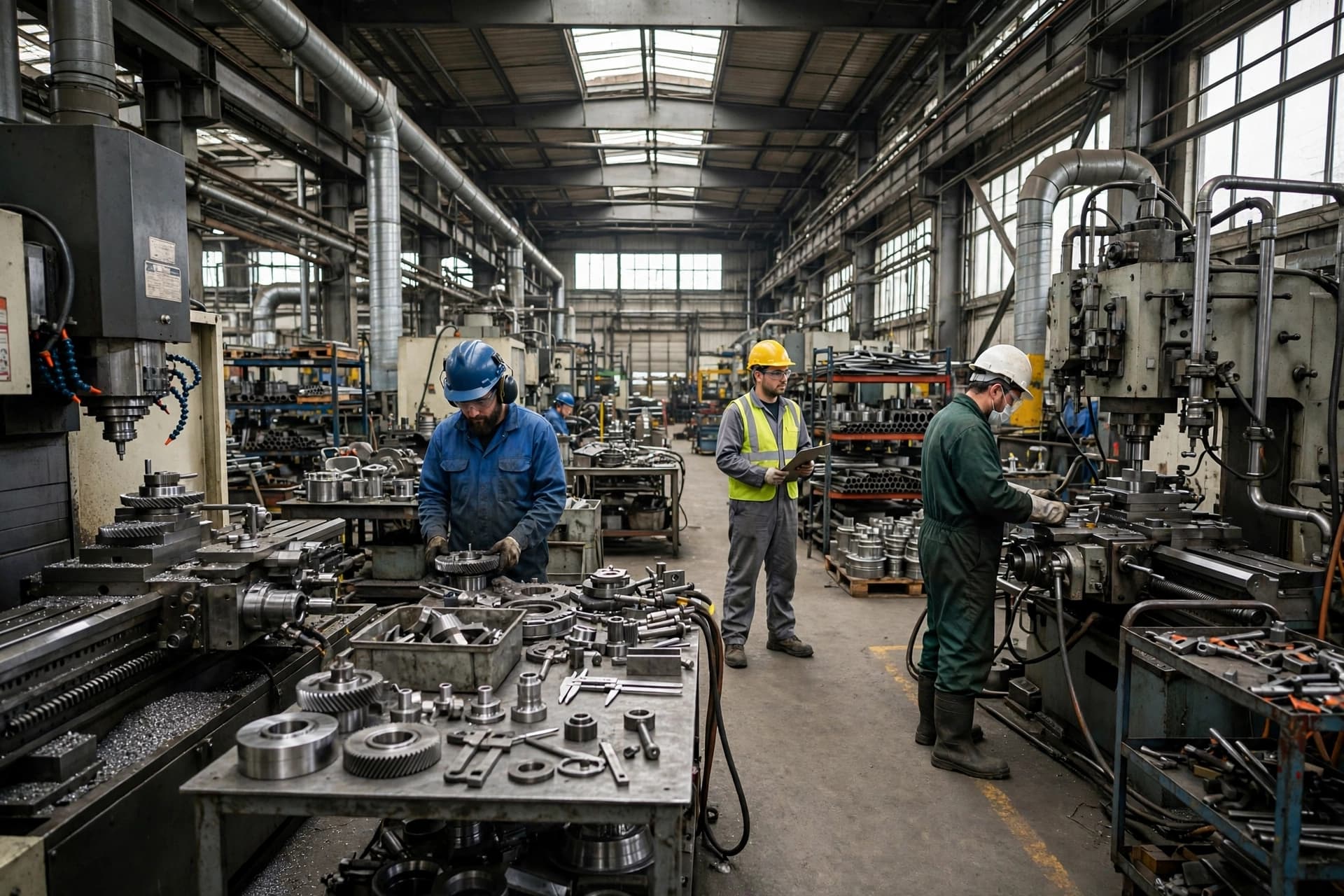
Illustrations were produced with AI and serve as conceptual depictions.
---
Sources
Reuters Financial Times BBC News The Guardian The Times
Published by Banx Network. This article is part of the Banx decentralized media programme, powered by the BXE token on the XRP Ledger.