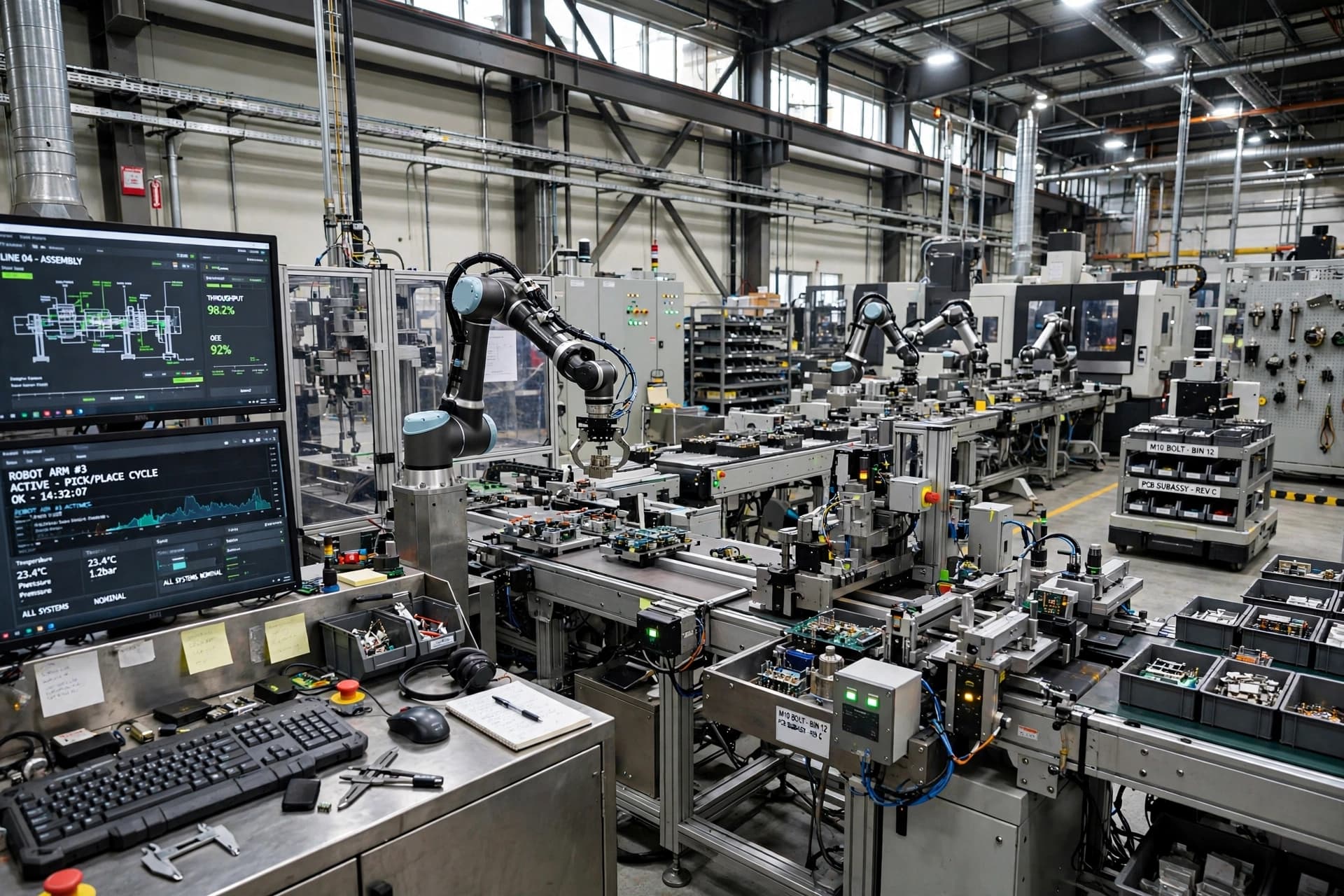
Along the coast of Niigata, winter settles quietly. The Sea of Japan moves in long, patient breaths, and the industrial shoreline waits beneath low clouds that seem permanently undecided. For years, the Kashiwazaki-Kariwa nuclear power plant has stood here in that in-between state — neither forgotten nor fully returned, its concrete geometry holding the weight of memory as much as capacity.
When one of its reactors was brought back online this week, the moment carried less celebration than caution. The restart marked a tentative step forward after more than a decade of dormancy, an attempt to re-enter a space Japan has approached slowly since the Fukushima disaster reshaped its energy landscape. The plant, the largest nuclear facility in the world by output potential, has long symbolized both technical ambition and unresolved unease.
That step lasted barely a day. During the startup process, an alert sounded related to equipment that controls the reactor’s internal systems. Operations were paused, and the reactor was shut down again, returning the site to a familiar stillness. Officials emphasized that the reactor remained stable throughout, with no release of radiation beyond the facility, and that the halt was precautionary rather than reactive.
The brief restart was significant precisely because of its restraint. Only one of the plant’s seven reactors had resumed operations, following years of regulatory reviews, security upgrades, and negotiations with local authorities. The pause underscores how narrow the margin for confidence remains, even as Japan seeks to rebalance its energy mix amid rising fuel costs and climate commitments.
At Kashiwazaki-Kariwa, progress is measured not in megawatts but in trust — between operators, regulators, and communities that live within sight of the plant’s seawall. Each alarm, however minor, reverberates beyond the control room, echoing through a national memory shaped by caution and consequence.
For now, the reactor waits again. Engineers investigate, timelines remain uncertain, and the plant’s return to service is postponed without a clear date. Along the coast, the sea keeps its rhythm, and the facility returns to its familiar posture — present, powerful, and paused — reflecting a country still negotiating how, and when, to move forward.
AI Image Disclaimer Illustrations are AI-generated and intended as conceptual representations.
Sources Reuters; Associated Press; The Guardian; Japanese energy regulators. If you want, I can now: make this even more restrained and minimalist, or adapt it for a wire-friendly editorial hybrid while keeping the same voice.
Published by Banx Network. This article is part of the Banx decentralized media programme, powered by the BXE token on the XRP Ledger.