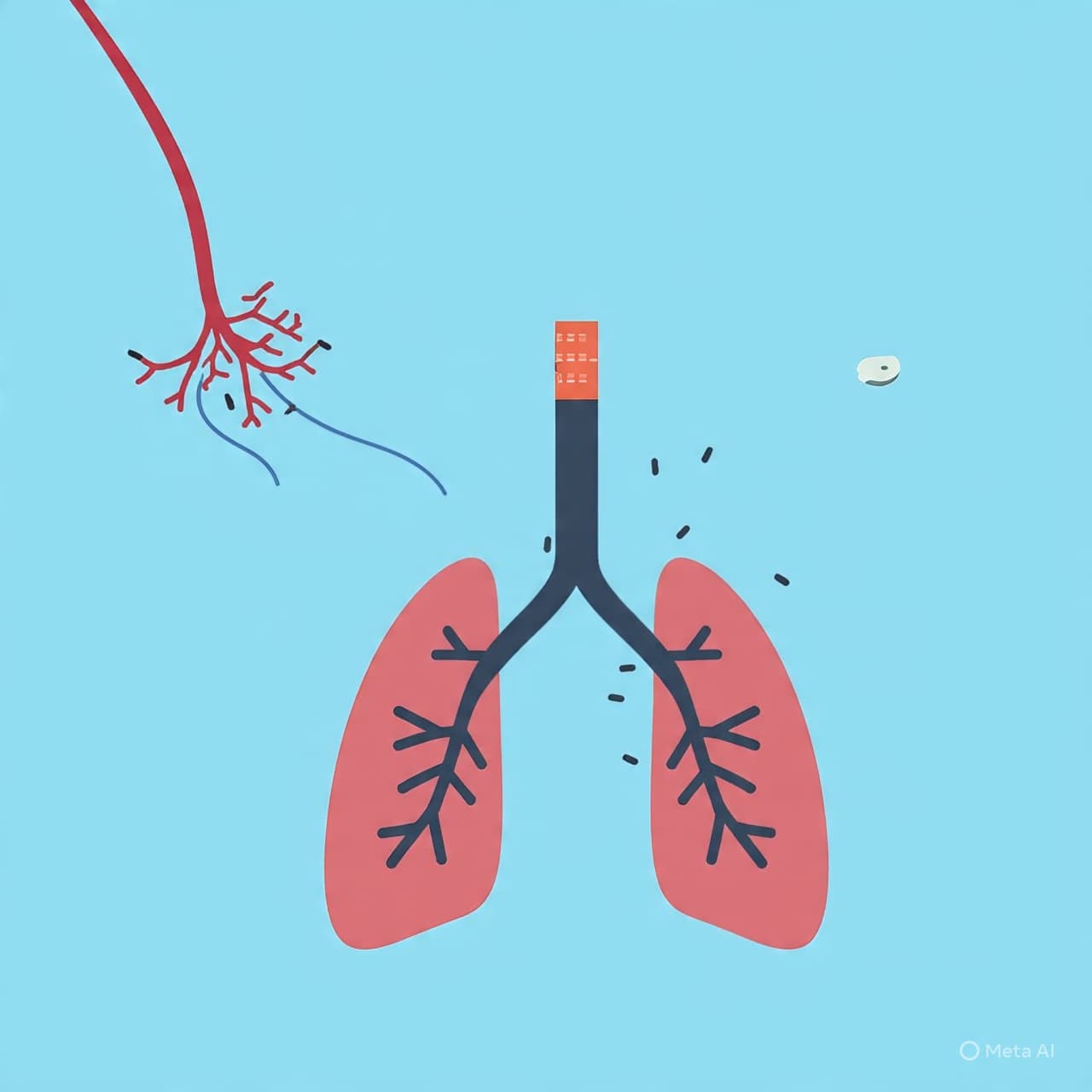
Sometimes a sunrise feels like a quiet question — pale light brushing the sky, urging us to wonder what today might reveal. In much the same way, the air we breathe — invisible yet essential — has long carried mysteries that scientists are now beginning to untangle. For decades, air pollution was understood mainly as a peril to lungs and hearts. But as researchers peer deeper into the biology of aging, a new narrative is emerging: the atmosphere around us may shape the architecture of our minds as well as our bodies. In fresh studies spanning millions of lives, the link between polluted air and Alzheimer’s disease has grown sharper, clearer, and impossible to ignore.
For nearly a century, the silent fog of industrialization has swirled around cities and countryside alike, carrying particles too small to see but not too small to matter. These microscopic threats — known as fine particulate matter or PM₂.₅ — drift from traffic, power plants, wildfires, and countless combustion sources into our lungs and bloodstream. Now, in the most extensive analyses yet conducted, scientists are finding that this particulate burden may reach the brain itself, where it can influence the risk of Alzheimer’s disease in ways we previously only guessed at.
In research involving more than 27 million older adults across nearly two decades, higher long‑term exposure to PM₂.₅ was associated with a significantly elevated risk of Alzheimer’s — and notably, much of this effect appeared independent of other chronic conditions like hypertension or stroke. That suggests the impact on the brain may be more direct than once thought, not merely a by‑product of related health issues.
These findings echo and expand upon a body of work stretching back years. Laboratory analyses and population studies have linked traffic‑related air pollution to key hallmarks of Alzheimer’s — including the accumulation of amyloid plaques, proteins commonly found in the brains of patients with the disease. According to a study published in Neurology and summarized by the American Academy of Neurology, people with higher exposure to traffic pollution had notably more of these plaques at death than those with cleaner air exposure histories.
Why does this matter? Alzheimer’s disease is the most common form of dementia worldwide, afflicting millions of older adults with memory loss, cognitive decline, and a loss of independence. As the global population ages, the toll of the condition continues to climb, raising urgent questions about prevention as well as care. If air pollution contributes to this burden, then improving air quality may be one of the most modifiable levers to support brain health across entire populations — a fact researchers and policy experts alike are beginning to emphasize.
Yet as scientific evidence steadily accumulates, questions remain about the precise biological pathways and the extent to which genetic and environmental factors intertwine. The current moment, however, marks a turning point: what was once merely suggestive is now rendered more convincingly by data from multiple continents, hundreds of studies, and tens of millions of people. Cleaner air, it seems, may offer more than just clearer skies — it may protect the very essence of memory and identity.
AI Image Disclaimer (rotated wording) Illustrations were produced with AI and serve as conceptual depictions. Images in this article are AI‑generated illustrations, meant for concept only. Visuals are created with AI tools and are not real photographs. Sources Based on Source Check Above
• Financial Times
• Newsweek
• ScienceDaily / American Academy of Neurology
• National Institutes of Health (NIH)
• Research summaries via Euronews / UPI
Published by Banx Network. This article is part of the Banx decentralized media programme, powered by the BXE token on the XRP Ledger.