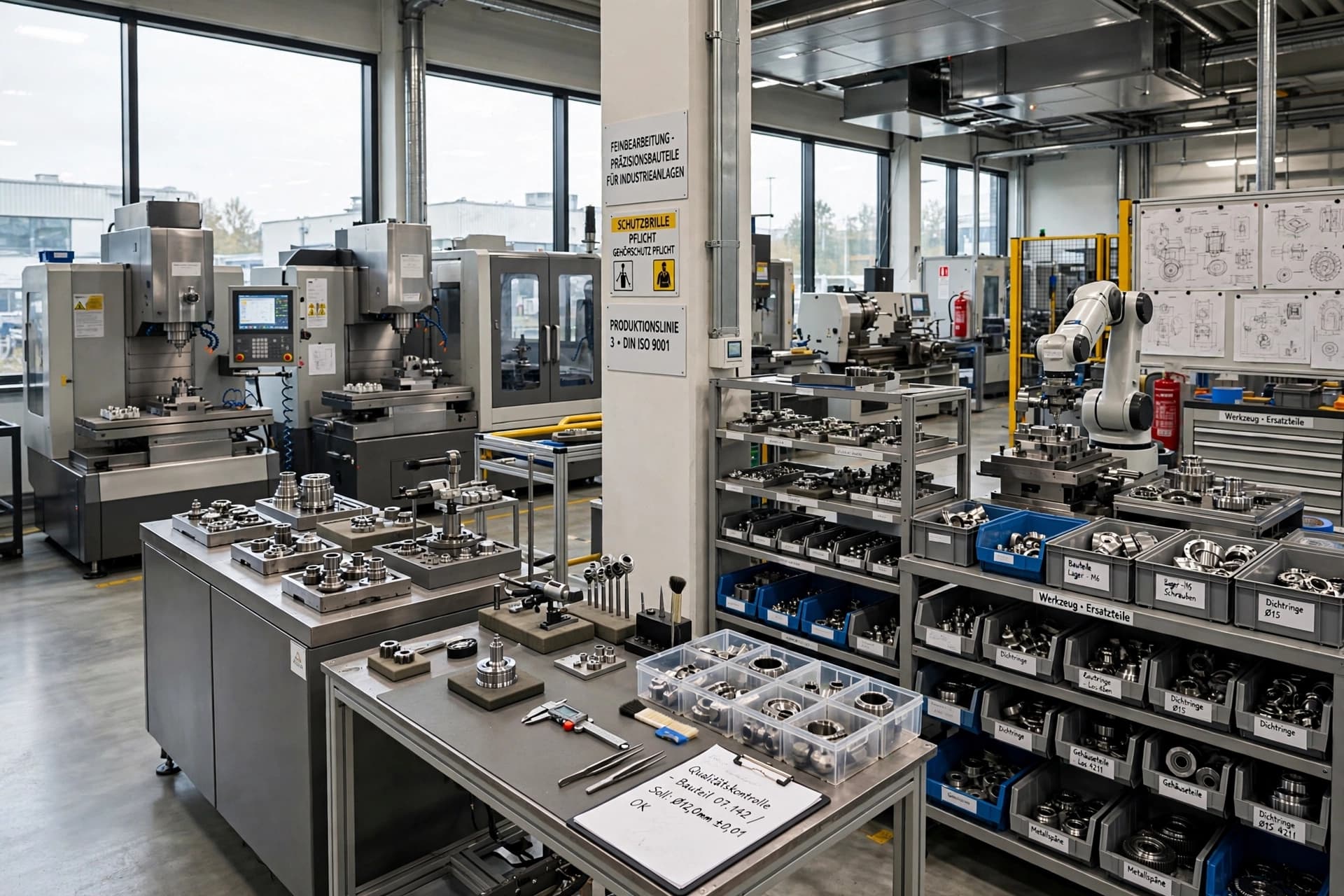
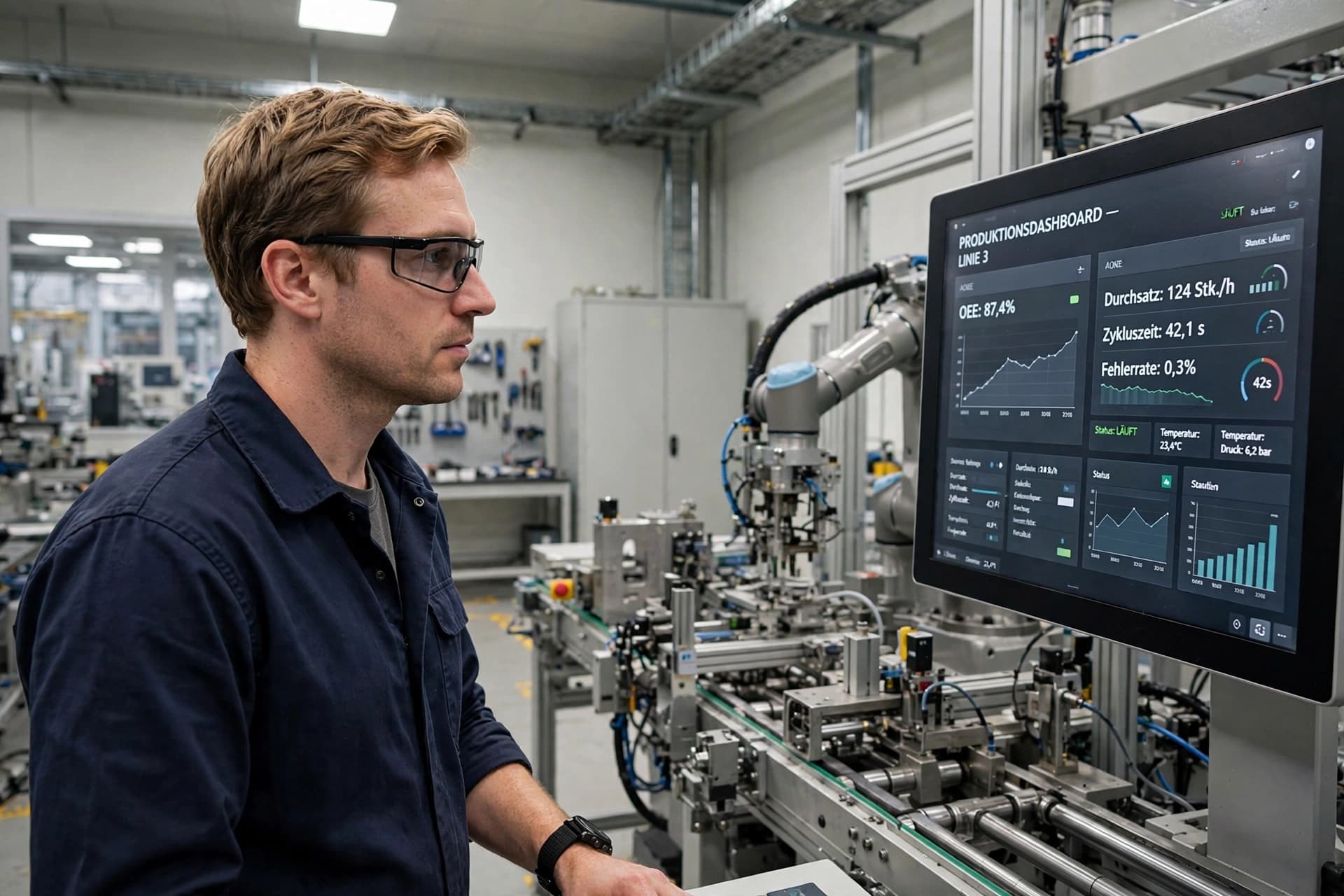
In a quiet workshop, where the scent of melted plastic mingles with the hum of machinery, the familiar rhythm of testing and experimentation has been disrupted. A 3D printer—sleek, precise, and astonishingly capable—has arrived with the subtle force of inevitability, bending expectations and rewriting the rules of what was possible. In its wake, tests once considered benchmarks now feel quaint, reminders of a past that the future has quietly overtaken.
The machine does more than fabricate objects; it reshapes the very act of creation. Intricate geometries that once demanded painstaking labor now emerge layer by layer, as if anticipating human intention. Designers, engineers, and makers alike pause to reflect on the pace of change: a device that fits on a bench has become a portal to new forms, new efficiencies, and new ways of thinking about production itself.
Yet beyond the marvel lies a quiet tension. With power so accessible and precise, questions emerge about ethics, safety, and the pace at which society can adapt. The future is tangible in this moment, printed in plastic and polymer, and it demands not only admiration but careful thought. In this intersection of technology and imagination, the lesson is clear: innovation often arrives quietly, but its impact resonates far beyond the confines of the workshop.
AI Image Disclaimer “Visuals are AI-generated and serve as conceptual representations.”
Sources Manufacturer announcement TechCrunch The Verge IEEE Spectrum CNET
Published by Banx Network. This article is part of the Banx decentralized media programme, powered by the BXE token on the XRP Ledger.