Air travel is often described as a miracle of modern engineering, shrinking distances and connecting cultures with remarkable speed. Yet, this complex system is delicate, reliant on seamless coordination and technology that must function without error. Recently, a glitch in the air traffic control system caused hundreds of flight cancellations, rippling through schedules and disrupting the plans of thousands. As authorities work to resolve the issue, more delays are expected, reminding us of the fragility inherent in our interconnected world. It invites us to reflect on patience and the shared experience of uncertainty that defines modern transit.
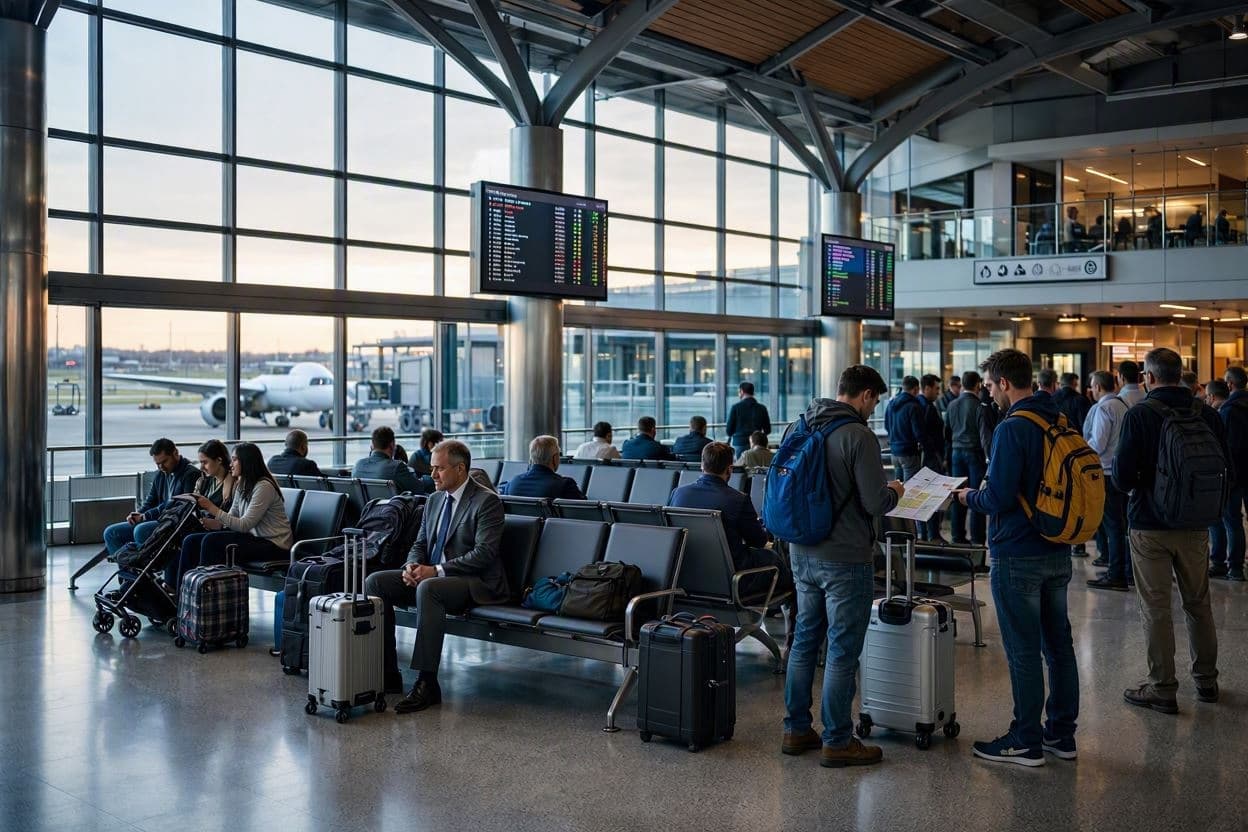
The technical failure occurred within a critical component of the air traffic management network, grounding flights across multiple regions. Airlines scrambled to rebook passengers, while airports became hubs of frustration and fatigue. For travelers, the disruption meant missed connections, delayed meetings, and extended waits in terminal lounges. The inconvenience is tangible, affecting both business and leisure travel, and highlighting the dependence we place on digital infrastructure.
Air traffic controllers and technical teams worked tirelessly to identify and fix the glitch. Their efforts are often unseen, operating behind the scenes to ensure safety and order in the skies. When systems fail, the pressure on these professionals intensifies, as they manage the backlog and prioritize safety above all else. Their dedication is crucial in restoring normalcy and maintaining public trust in aviation safety.
The economic impact of such disruptions is significant. Airlines face costs associated with refunds, accommodations, and operational adjustments. Businesses relying on timely travel may suffer losses, and the tourism industry feels the immediate effect of canceled trips. These ripple effects demonstrate how tightly woven the global economy is, with a single technical issue capable of causing widespread financial strain.
For passengers, the experience is a test of endurance. Long hours in airports, uncertain departure times, and limited information create a stressful environment. However, moments of camaraderie often emerge among stranded travelers, sharing stories and resources. This shared adversity can foster a sense of community, even in the impersonal setting of a large airport. It reminds us of our common humanity in the face of inconvenience.
Regulatory bodies are likely to review the incident to prevent future occurrences. Investing in robust backup systems and regular maintenance is essential for minimizing risks. The aviation industry continuously evolves to address vulnerabilities, learning from each incident to improve reliability. This proactive approach is vital for maintaining the efficiency and safety that passengers expect.
As the system stabilizes, the backlog of flights will gradually clear. However, the residual effects may linger for days, as crews and aircraft are repositioned. Travelers are advised to check their flight status regularly and allow extra time for journeys. Patience and flexibility are key virtues during such periods of disruption, helping to mitigate stress and frustration.
The incident serves as a reminder of the complexity of modern logistics. While technology enables incredible feats, it also introduces new points of failure. Understanding this balance helps us appreciate the efforts required to keep the world moving. It encourages a perspective of gratitude for the smooth journeys we often take for granted.
Flight delays and cancellations due to an air traffic control glitch highlight the vulnerability of global travel networks. It calls for patience and continued investment in infrastructure. Let us navigate these disruptions with understanding.
AI Image Disclaimer: The visuals accompanying this piece are AI-generated interpretations intended for illustrative purposes only.
Sources: CNN Travel The Wall Street Journal Aviation Week
Published by Banx Network. This article is part of the Banx decentralized media programme, powered by the BXE token on the XRP Ledger.