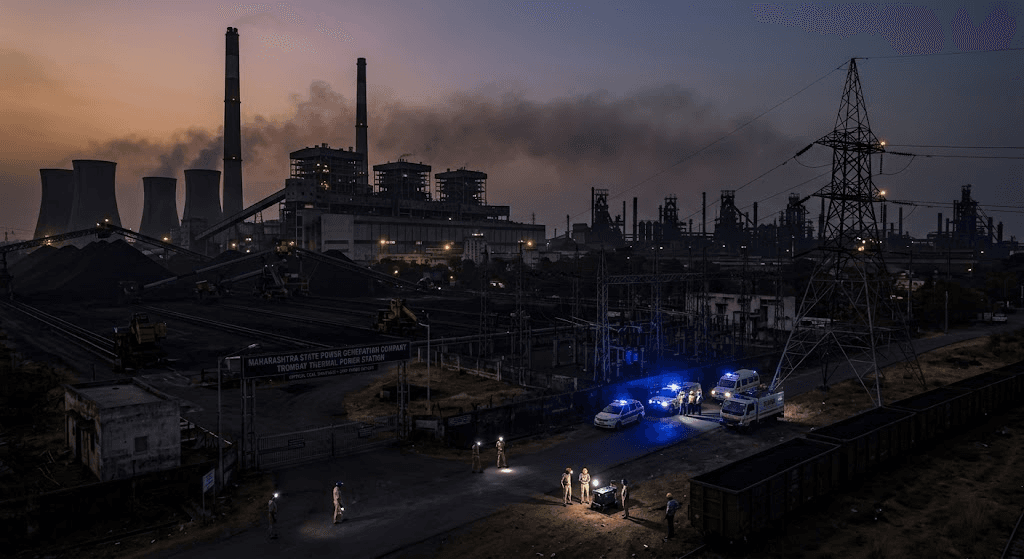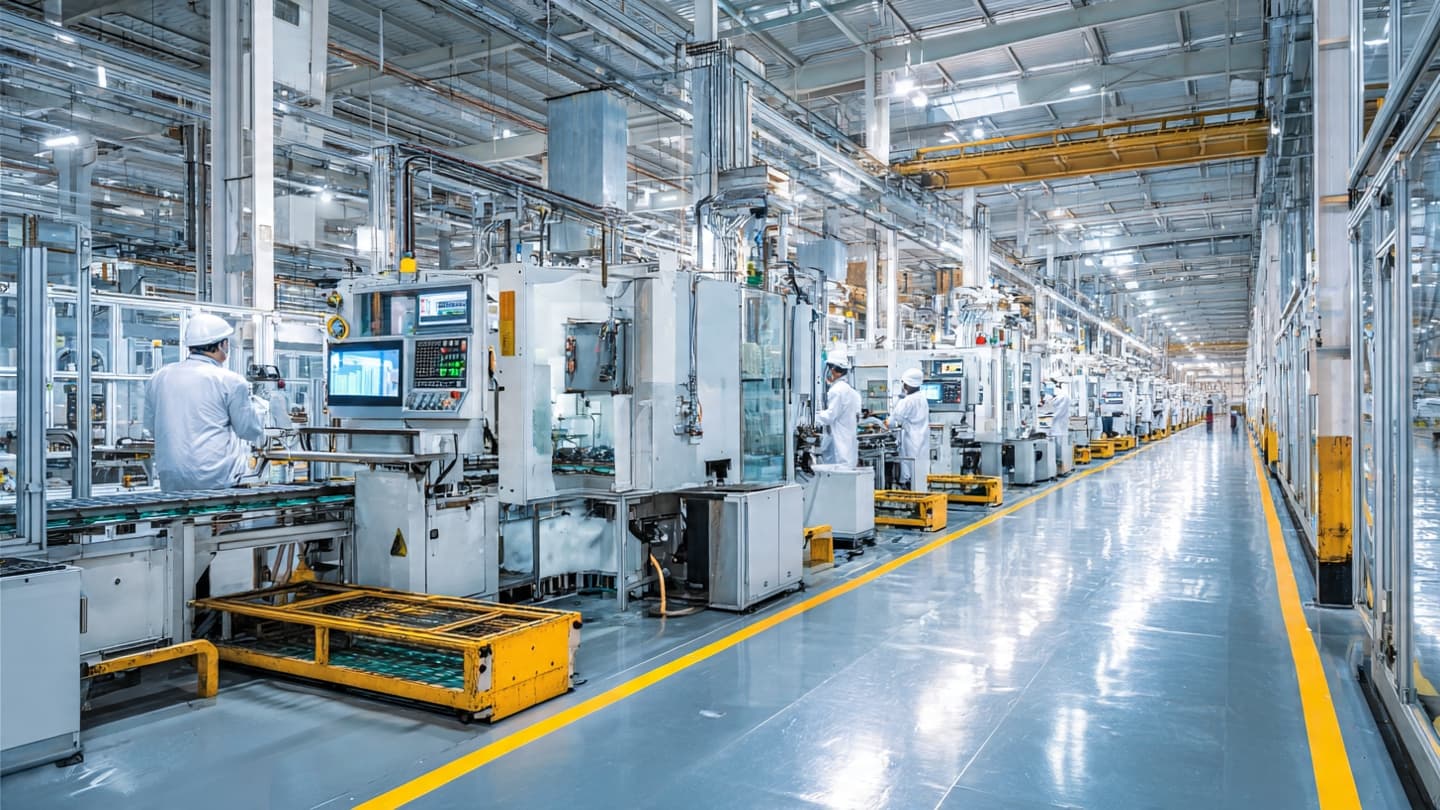
Economic change rarely arrives as a single event. It moves through factories, warehouses, offices, and increasingly through invisible digital networks. In Thailand, businesses are looking toward artificial intelligence and technology exports as part of a broader effort to find new sources of growth in an increasingly competitive regional economy.
Thailand's private sector has expressed a more optimistic view of the country's 2026 growth prospects, while emphasizing the importance of digital transformation and artificial intelligence investment. The outlook reflects a recognition that technology is becoming increasingly connected to trade, manufacturing, and productivity.
The country's existing industrial base provides an important starting point. Thailand has long been a manufacturing center for automobiles, electronics, food products, and other goods. As production becomes more automated and connected, the distinction between traditional manufacturing and technology is becoming less clear.
Artificial intelligence is accelerating that shift. Manufacturers can use AI for predictive maintenance, quality inspection, logistics planning, demand forecasting, and production optimization. These applications do not necessarily replace existing factories; instead, they can change how those factories operate.
Technology exports offer another potential avenue. Thailand has established capabilities in electronics and related hardware, and its role in the AI supply chain is expanding through components used in data centers and computing infrastructure.
Investment is following those capabilities. Thailand received more than 1 trillion baht in investment applications during the first quarter of 2026, with digital and electronics projects accounting for much of the total. Data centers, cloud services, advanced electronic components, and AI-related infrastructure were among the areas attracting capital.
For businesses, however, technology investment must eventually translate into productivity. New machines and digital systems can be expensive, and companies need skilled workers who can operate, maintain, and improve them. The transition therefore involves both physical infrastructure and human capabilities.
This is particularly important for smaller businesses. Large multinational companies may have resources to build sophisticated digital systems, while smaller suppliers can face greater difficulty accessing technology and specialized talent. Expanding digital capabilities across the wider business ecosystem could therefore determine how broadly the benefits of technological investment are distributed.
Thailand is also confronting the changing structure of regional supply chains. Companies are diversifying manufacturing locations, while demand for semiconductors, electronics, automation, cloud services, and AI infrastructure continues to grow. Thailand's challenge is to connect these global movements with domestic businesses and workers.
The direction is becoming increasingly visible. Thailand is not abandoning its manufacturing identity; rather, it is adding new technological layers to it. Artificial intelligence, digital services, automation, advanced electronics, and data infrastructure are gradually becoming part of the same economic landscape, giving Thai businesses new opportunities to compete in markets shaped increasingly by technology.
AI Image Disclaimer The visuals are AI-generated conceptual illustrations and do not depict actual locations, companies, or events.
Sources Thai Enquirer Thailand Board of Investment The Nation Thailand
Published by Banx Network. This article is part of the Banx decentralized media programme, powered by the BXE token on the XRP Ledger.