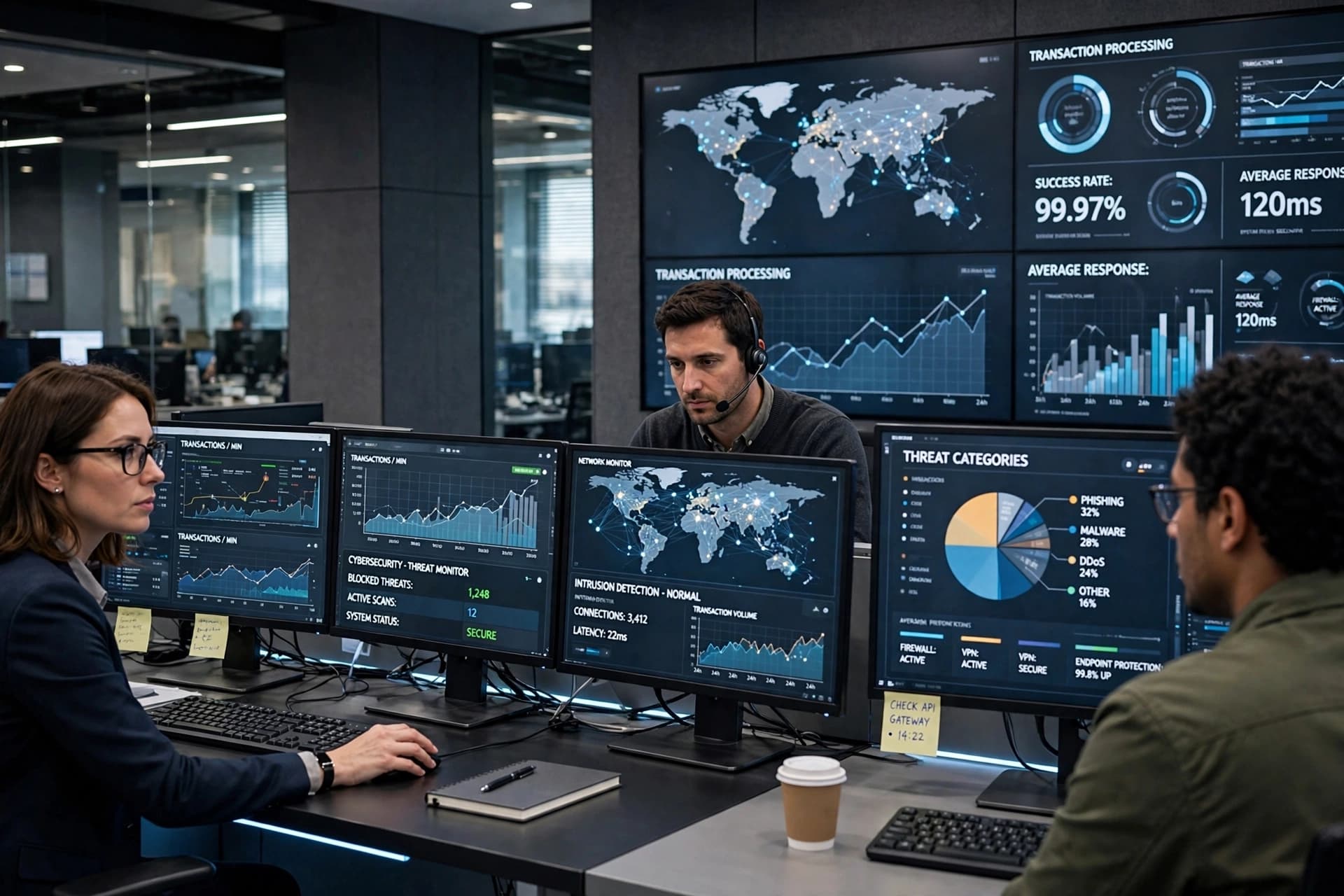
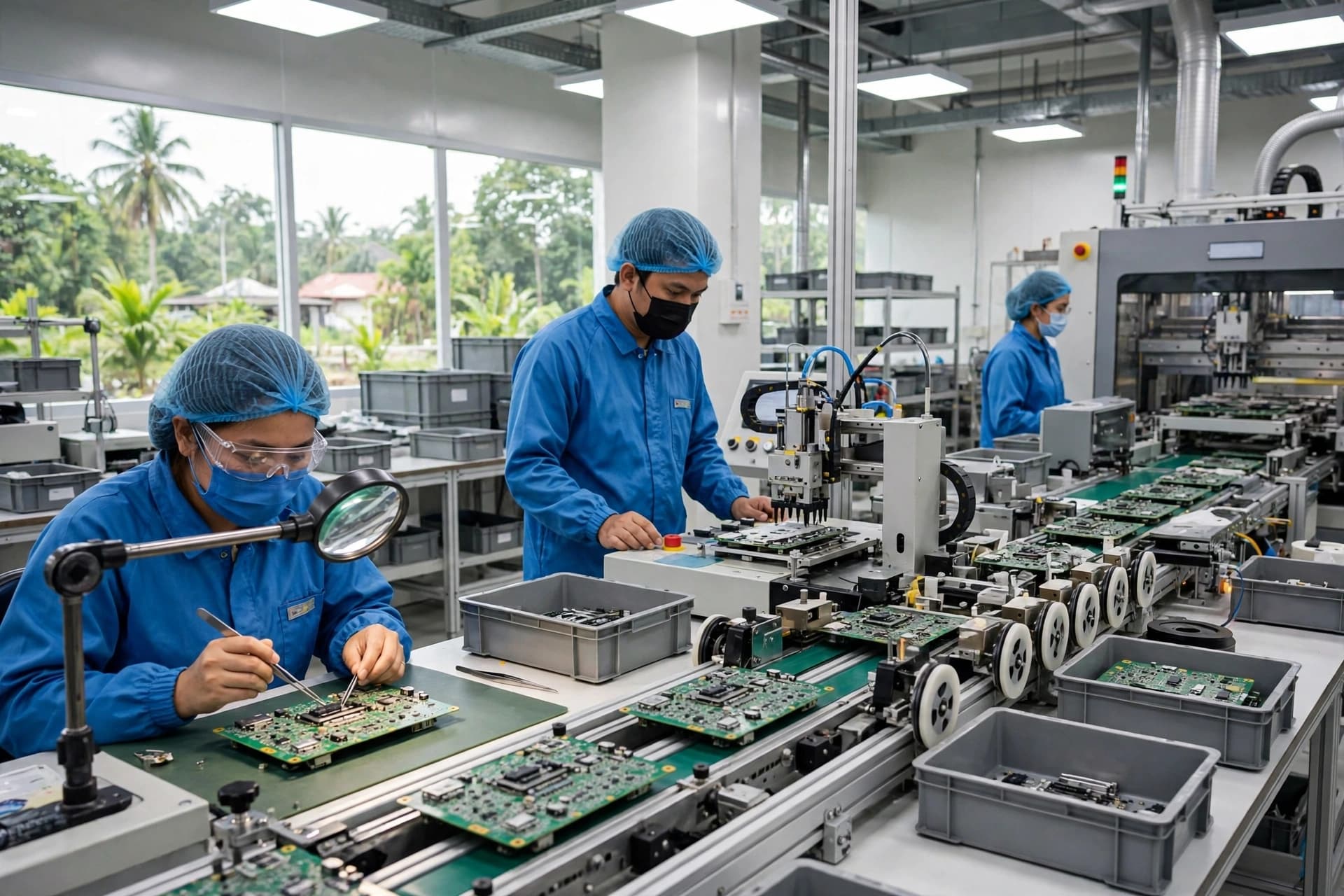
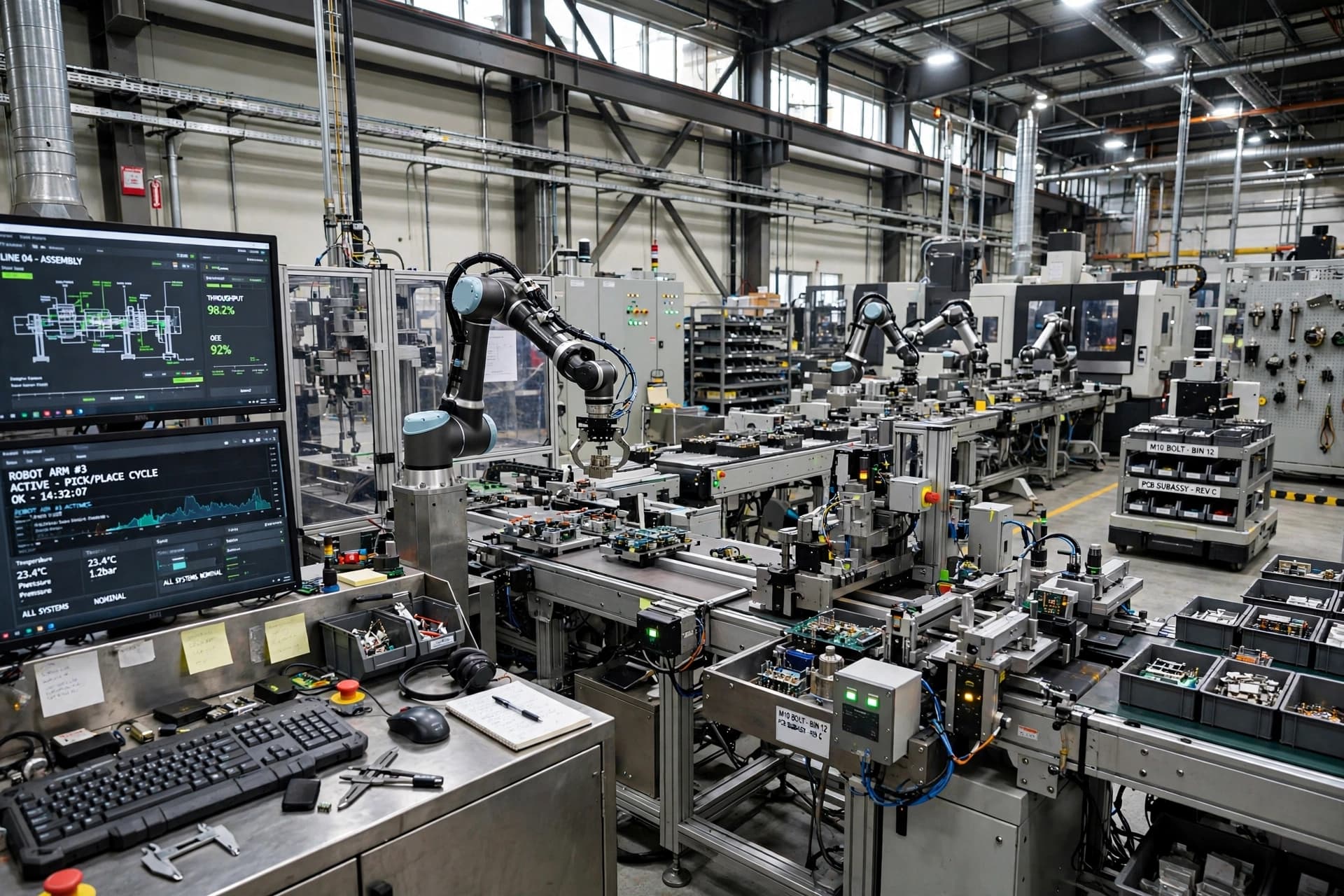
Morning light often reaches factory floors before certainty does. Conveyor belts hum, lights flicker on, and the quiet confidence of routine settles in long before headlines arrive. In recent days, however, that rhythm has slowed in parts of the global semiconductor supply chain, as if the machinery itself sensed a hesitation moving across borders.
Suppliers linked to Nvidia’s H200 artificial intelligence chips have halted certain production activities after Chinese authorities blocked shipments of the advanced processors from entering the country. The pause did not arrive with spectacle. Instead, it came as a practical response—tools set aside, schedules adjusted, and expectations recalibrated—reflecting how closely modern manufacturing is tied to policy decisions made far from the factory floor.
The H200 chip, designed to accelerate AI workloads and data-center computing, sits at the high end of Nvidia’s product line. Its movement across borders is shaped not only by demand from cloud providers and research labs, but also by evolving export controls and trade restrictions between the United States and China. In this case, customs officials in China prevented the processors from clearing entry, effectively freezing the next steps of assembly and integration for suppliers who had prepared for their arrival.
For component makers, the decision rippled outward. Production lines depend on timing as much as precision; when one part of the chain pauses, others must slow to avoid building inventory with nowhere to go. Some suppliers reportedly suspended work related specifically to the H200, waiting for clarity on whether shipments might resume or whether alternative configurations or destinations would emerge.
This moment fits into a broader landscape where technology and geopolitics increasingly intersect. Over the past several years, U.S. restrictions on exporting advanced semiconductors to China have tightened, aiming to limit access to high-performance computing used in artificial intelligence. Companies have responded by redesigning products, adjusting compliance strategies, and seeking new markets, yet each regulatory shift introduces fresh uncertainty into planning cycles measured in months and years.
For Nvidia, the situation underscores the balancing act faced by global chipmakers. Demand for AI hardware remains strong worldwide, but access to specific regions can change abruptly. While the company has previously developed modified chips to meet export requirements, the H200 represents a threshold where performance and policy meet with little room for adjustment.
As the pause continues, suppliers remain in a holding pattern, attentive to regulatory signals and logistical updates. No formal timeline has been set for when work might resume, and discussions around compliance and next steps continue behind the scenes.
In straightforward terms, suppliers connected to Nvidia’s H200 chip program have stopped related production after China blocked the processors at customs, temporarily disrupting planned shipments and adding another layer of uncertainty to U.S.–China technology trade.
AI Image Disclaimer Visuals are AI-generated and serve as conceptual representations.
Sources (Media Names Only) Financial Times Reuters Bloomberg The Wall Street Journal
Published by Banx Network. This article is part of the Banx decentralized media programme, powered by the BXE token on the XRP Ledger.