There is a certain poetry in watching sunlight bathe an array of solar panels — a gentle harmony between a star’s warmth and the quiet machines that convert it into electricity. What if that same sunlight, which gives energy, could also heal the tiny scars it leaves on those cells over time? Like a morning breeze that refreshes a weary garden, recent research suggests sunlight may not only power solar cells but also help them recover from the very wear it causes.
Solar cells, especially high-efficiency silicon types, are known to lose a portion of their performance when exposed to ultraviolet (UV) light — the energetic part of sunlight that can subtly rearrange atoms at the cell’s surface and weaken its output. Until now, scientists could watch the decline in electrical performance, but not what was happening inside the material itself. A research team in Sydney has developed a new way of observing microscopic chemical shifts within operating cells using ultraviolet Raman spectroscopy. This technique is akin to watching a landscape change through a finely detailed time-lapse camera rather than merely listening to its distant echoes.
The remarkable finding is that when these solar cells, after being stressed by UV exposure, are then bathed in normal visible sunlight, the internal structure appears to return toward its original configuration. Broken bonds involving hydrogen, silicon, and boron — tiny ruptures in the material’s atomic dance — can be restored as hydrogen atoms migrate back toward the surface and reconnect, effectively “healing” some of the degradation. This shows that the recovery is not just an electrical effect, but a real material-level repair under sunlight.
Such reversible behaviour has meaningful consequences for how solar panels are tested and understood. Traditional certification tests often simulate years of outdoor use with intense UV stress in a short time, possibly overestimating permanent damage. With better knowledge of when and how cells recover in natural light, manufacturers and researchers can refine these tests — and perhaps design next-generation panels that are not only more efficient but more resilient and long-lived.
Other lines of research have also uncovered different forms of self-healing behaviour in emerging materials. For example, certain perovskite solar cells have shown signs of restoring performance after periods of darkness, echoing how natural systems sometimes mend when given rest. Whether under sunlight or in the quiet of night, the idea that solar cells might self-repair invites us to look at renewable energy not just as static hardware, but as living technology responding dynamically to its environment.
In the broader canvas of renewable energy innovation, these findings do more than illuminate an intriguing scientific phenomenon — they gently underscore the evolving relationship between human-made systems and the world’s most abundant energy source: the sun. Scientifically grounded and technically promising, this work is a step toward photovoltaic materials that might one day require less external maintenance, boost longevity, and bring a softer imprint on both energy infrastructure and the environment.
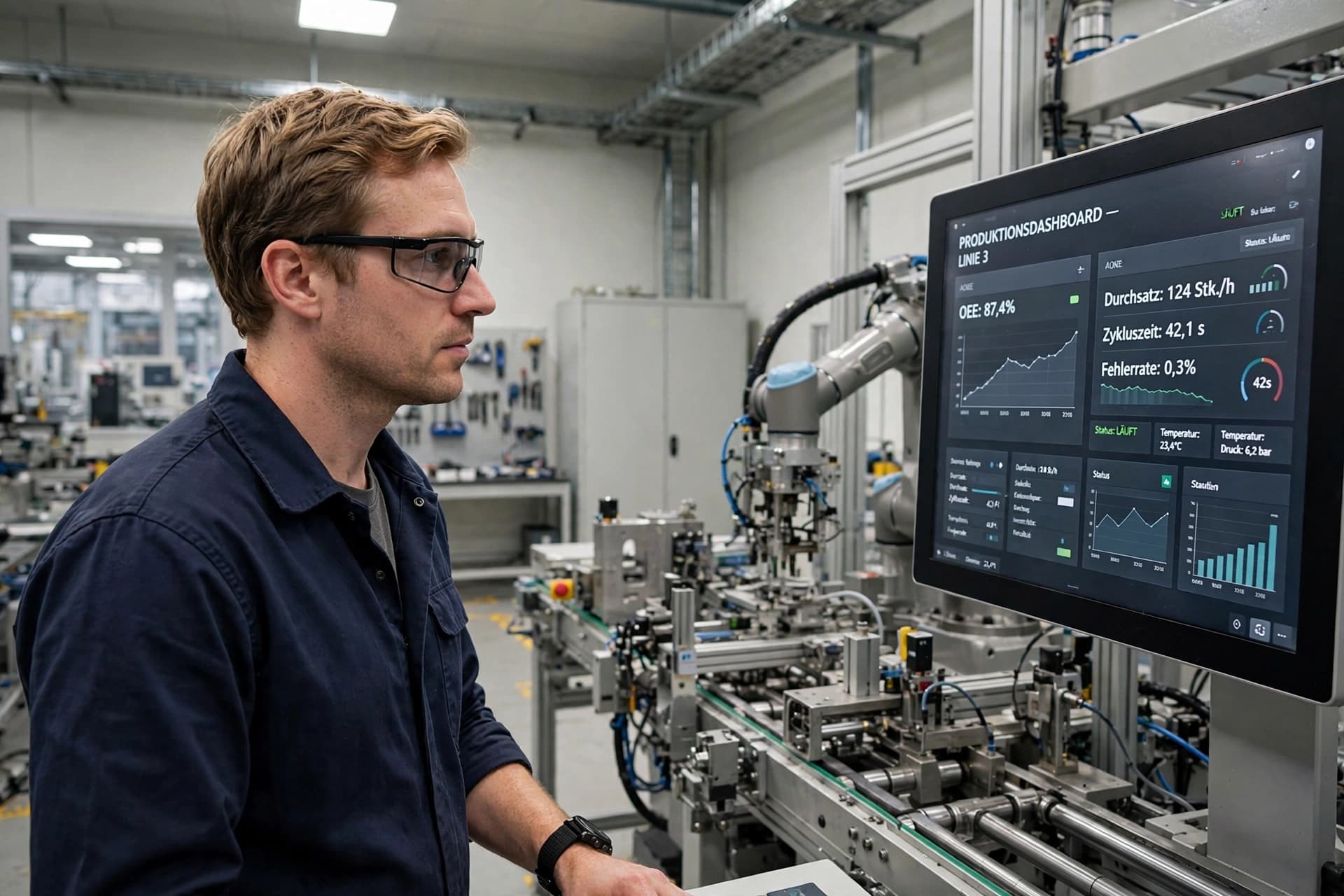
AI Image Disclaimer Illustrations were produced with AI and serve as conceptual depictions.
Source Check
• UNSW Newsroom
• Mirage News
• PV Tech
• Science Times (for related background)
• Solar Directory
Published by Banx Network. This article is part of the Banx decentralized media programme, powered by the BXE token on the XRP Ledger.

.jpg&w=3840&q=75 "The Artemis Revolution: How NASA Plans to Build Humanity's Future on the Moon")