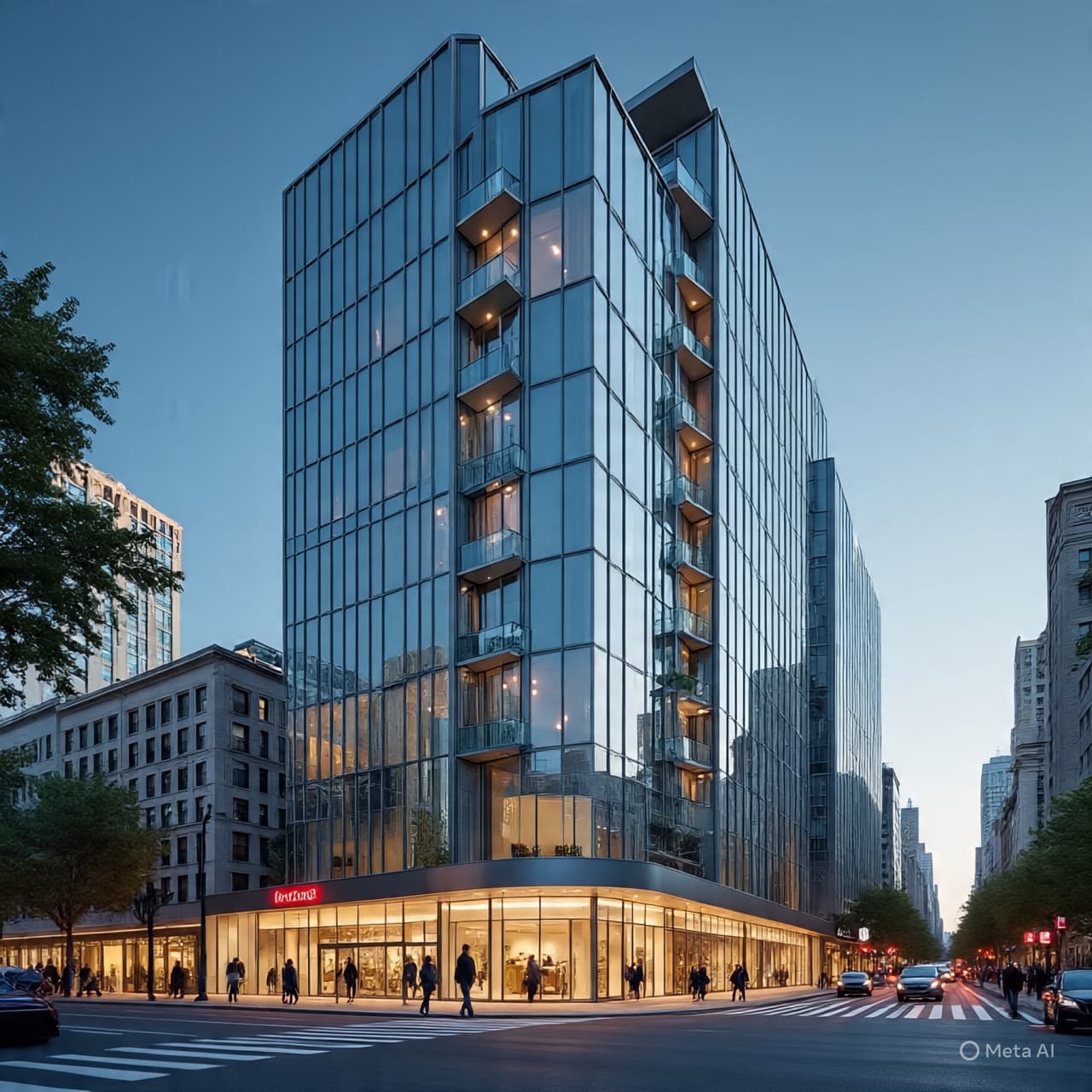
There are moments when a city seems to exhale, quietly reshaping itself between memory and ambition. On City Avenue, where the echoes of retail footsteps once filled the halls of a former Lord & Taylor, a new silhouette now rises—glass, steel, and intention woven into the skyline. It does not merely replace what stood before; it suggests something about where cities believe they are going.
The transformation of aging department store spaces into residential developments has become a pattern in major urban corridors. As traditional retail struggles under the weight of e-commerce and shifting consumer habits, large anchor properties—once symbols of prosperity—have become canvases for reinvention. The City Avenue project reflects this broader transition, where square footage once devoted to display windows is now reimagined as living space.
Developers describe the new luxury apartment complex as part of a future-forward approach to urban density. Positioned in a strategic corridor, the building offers amenities designed to meet evolving expectations: integrated workspaces, wellness facilities, and communal areas that blur the line between private and shared environments. The architecture emphasizes vertical living without abandoning comfort.
Urban planners note that such projects are not isolated phenomena. Across the United States, former retail hubs are being converted into mixed-use developments, signaling a structural shift in how land is valued. The decline of department stores—accelerated by the COVID-19 pandemic—left behind large, adaptable spaces, often located in prime areas with strong infrastructure.
Yet the transition is not without tension. Some residents and local observers express concern over affordability, as luxury developments may contribute to rising housing costs in surrounding neighborhoods. Others question whether these projects adequately preserve the cultural memory of what once stood there. The Lord & Taylor brand, for many, represented more than commerce—it was part of a shared urban identity.
Developers, however, argue that adaptation is necessary for economic vitality. By introducing residential units, the project aims to create consistent foot traffic, supporting nearby businesses and revitalizing the corridor. In this view, the apartment building becomes not just a structure, but a catalyst for localized economic ecosystems.
The design itself reflects contemporary architectural priorities. Floor-to-ceiling windows maximize natural light, while energy-efficient systems align with sustainability goals increasingly required by city regulations. The inclusion of green spaces, even in vertical form, signals an effort to soften the density that such developments inevitably bring.
For city officials, projects like this offer both opportunity and challenge. They provide tax revenue and housing supply, yet require careful planning to ensure infrastructure keeps pace. Transportation, utilities, and public services must adapt alongside these physical transformations.
In the quiet shift from retail to residence, the City Avenue development captures a broader narrative: cities are not static monuments but evolving organisms. What replaces the past does not erase it entirely; rather, it builds upon its footprint, layer by layer.
As the building nears completion, its presence stands as a reflection—not only of changing economic realities, but of a collective willingness to redefine space itself. Whether it becomes a model for sustainable growth or a symbol of exclusivity will depend on how it integrates into the life already unfolding around it.
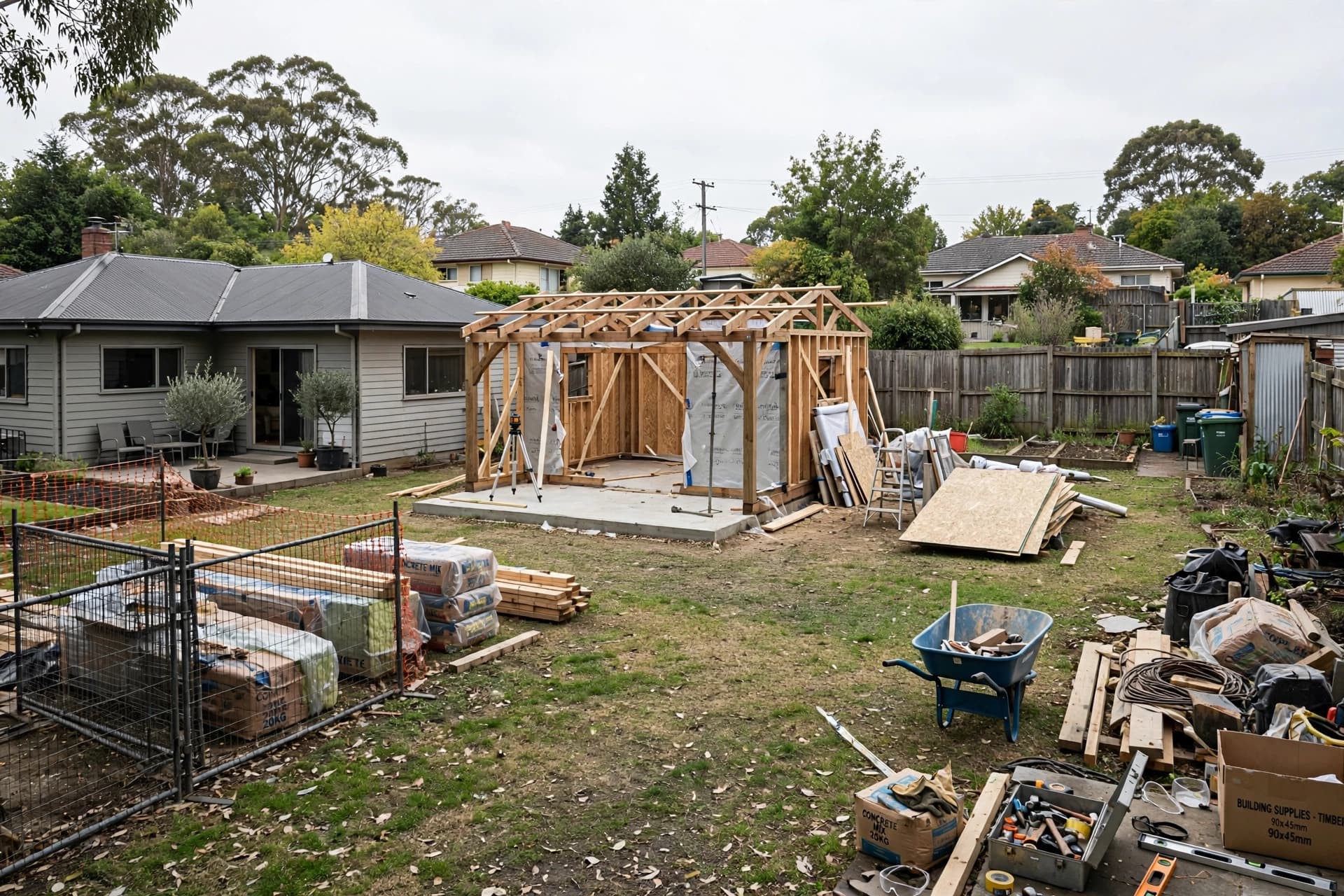
AI Image Disclaimer Images in this article are AI-generated illustrations, meant for concept only.
Source Check (Credible Media): The New York Times Bloomberg Wall Street Journal Forbes CNBC
Published by Banx Network. This article is part of the Banx decentralized media programme, powered by the BXE token on the XRP Ledger.