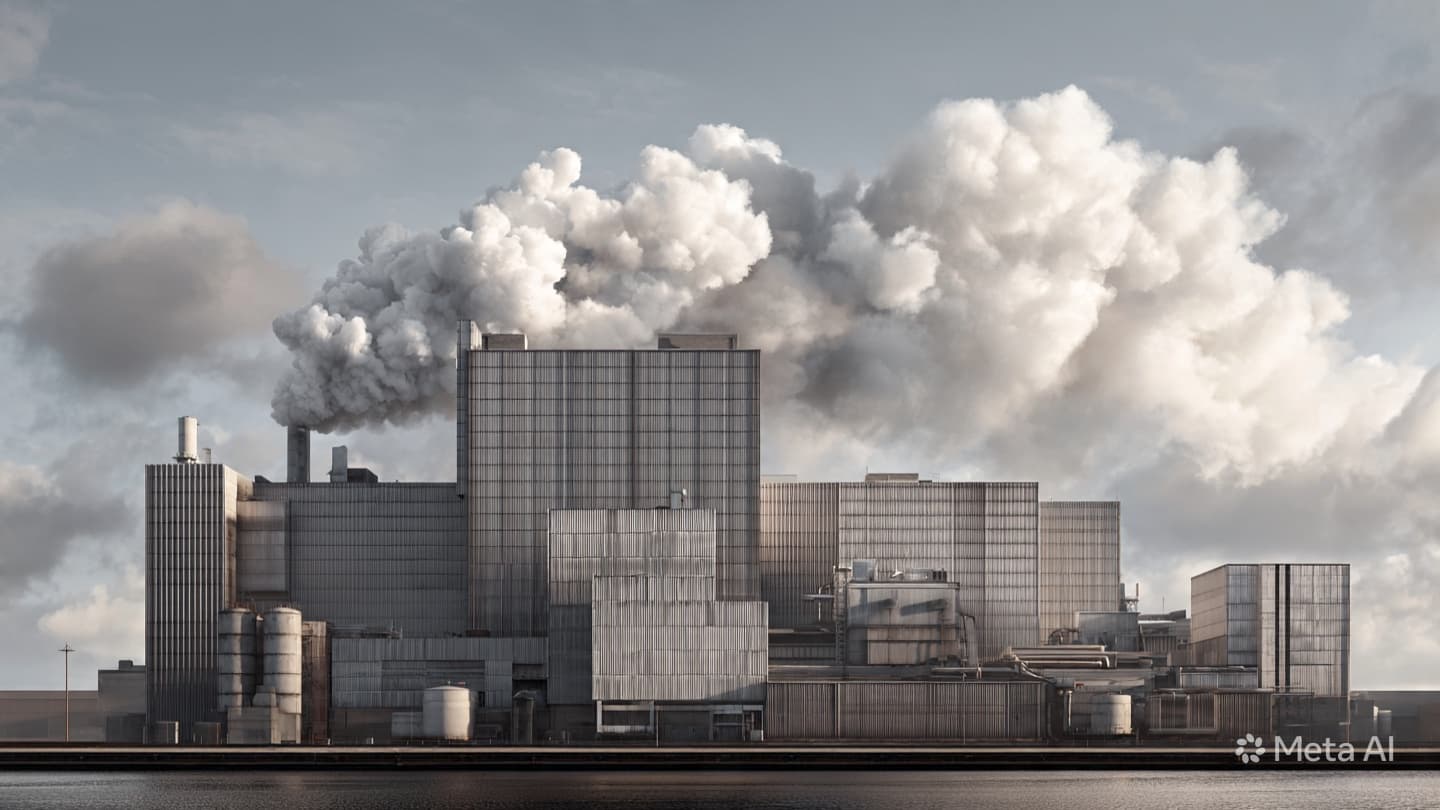
The city of Voronezh, long known for its quiet industry and its place along the riverbanks of southwestern Russia, recently found itself at the center of an event that shattered the familiar rhythm of the working day. There is an inherent, chilling gravity to the moment a factory, once defined by the hum of machinery and the steady pace of production, is suddenly silenced by the arrival of a strike from the sky. It is a transformation that turns the mundane geography of commerce into a site of profound instability, forcing a community to confront the encroachment of a distant conflict.
Smoke, rising in thick, dark columns against the pale sky, serves as a grim marker of the event’s suddenness. For those who watch from a distance, the sight is both hypnotic and deeply unsettling, a visual manifestation of the volatility that now defines the region. It is a moment where the physical reality of concrete and steel is stripped away, revealing the underlying vulnerability of the structures we rely on to sustain our modern, interconnected lives.
Within the city, the air is thick with the scent of burnt electronics and cooling metal, a sensory reminder of the precision with which the strike was carried out. The facility, which had long been integrated into the defense-industrial landscape, now stands as a hollowed shell, its once-purposeful existence replaced by a scene of emergency response and sorrow. It is a landscape defined by the absence of the life that inhabited it only hours before.
Emergency responders move with a practiced, somber urgency, their figures silhouetted against the smoldering debris. There is a strange, quiet dignity in their labor, as they navigate the wreckage to search for survivors and provide aid to those left broken by the impact. They are the human bridge between the chaotic, destructive force of the event and the slow, necessary process of recovery that begins in its wake.
The human cost, etched in the sudden loss of life and the physical pain of the injured, is the true weight of the tragedy. For families, the day is marked by the devastating interruption of their loved ones’ routines, a reminder that every life is subject to the unpredictable winds of wider geopolitical currents. The reflection here is not on the strategy of the strike, but on the profound, personal stillness that follows the cessation of movement.
As the authorities begin the long, bureaucratic work of assessing the damage, the city of Voronezh attempts to reconcile its internal stability with the external pressures that have breached its perimeter. The factory, once a beacon of industrial function, now serves as a somber monument to the precariousness of life in a landscape where the boundary between home and front line is increasingly fluid and indistinct.
Nature, indifferent to the grievances of men, continues its slow turn, the sun setting over the river as it has for centuries. Yet, the atmosphere in the city is irrevocably changed, darkened by the knowledge of what has been lost. It is a moment of deep, reflective pause, where the reality of the conflict is brought home with an intensity that cannot be ignored or easily explained away by the language of reports.
As the embers cool and the site is secured, the community is left to grapple with the aftermath. The strike is a definitive moment in the history of the region, a point from which everything that follows will be measured. It is a reminder that in our modern, complex world, the safety we take for granted is never truly guaranteed, but is always held in a delicate, shifting balance.
On June 22, 2026, a Ukrainian missile strike targeted an industrial electronics manufacturing facility on the left bank of the Voronezh River in Russia. Regional Governor Alexander Gusev confirmed that five people were killed and several dozen others sustained injuries, most of whom received medical care and were subsequently discharged. The facility, which the Ukrainian military identified as a critical site for producing guidance components for tactical missiles, sustained significant structural damage. Emergency crews successfully contained a large fire at the site, and local authorities have since initiated a formal investigation into the security breach and casualty management
Published by Banx Network. This article is part of the Banx decentralized media programme, powered by the BXE token on the XRP Ledger.