The gentle prelude of spring often brings not only warmer breezes but also a kind of quiet expectation — the sense that things are growing before they bloom. In the world of consumer technology, that feeling often centers on Apple, whose annual rhythm of innovation has become part of how millions plan their upgrades and their future devices. As the calendar turns toward the first week of March, whispers and signals suggest this year’s opening chapter will be unusually broad in scope and gently unfolding rather than confined to a single moment of revelation.
Industry whispers — from trusted newsletters and supply-chain whispers through to color cues in official invites — point to a three-day flurry of product announcements beginning Monday, March 2 and concluding with a global “Apple Experience” event on Wednesday, March 4. In contrast to the company’s characteristic livestreamed keynotes, this approach blends press releases with in-person demos in cities such as New York, London and Shanghai, a format that seems designed to let each new device breathe on its own.
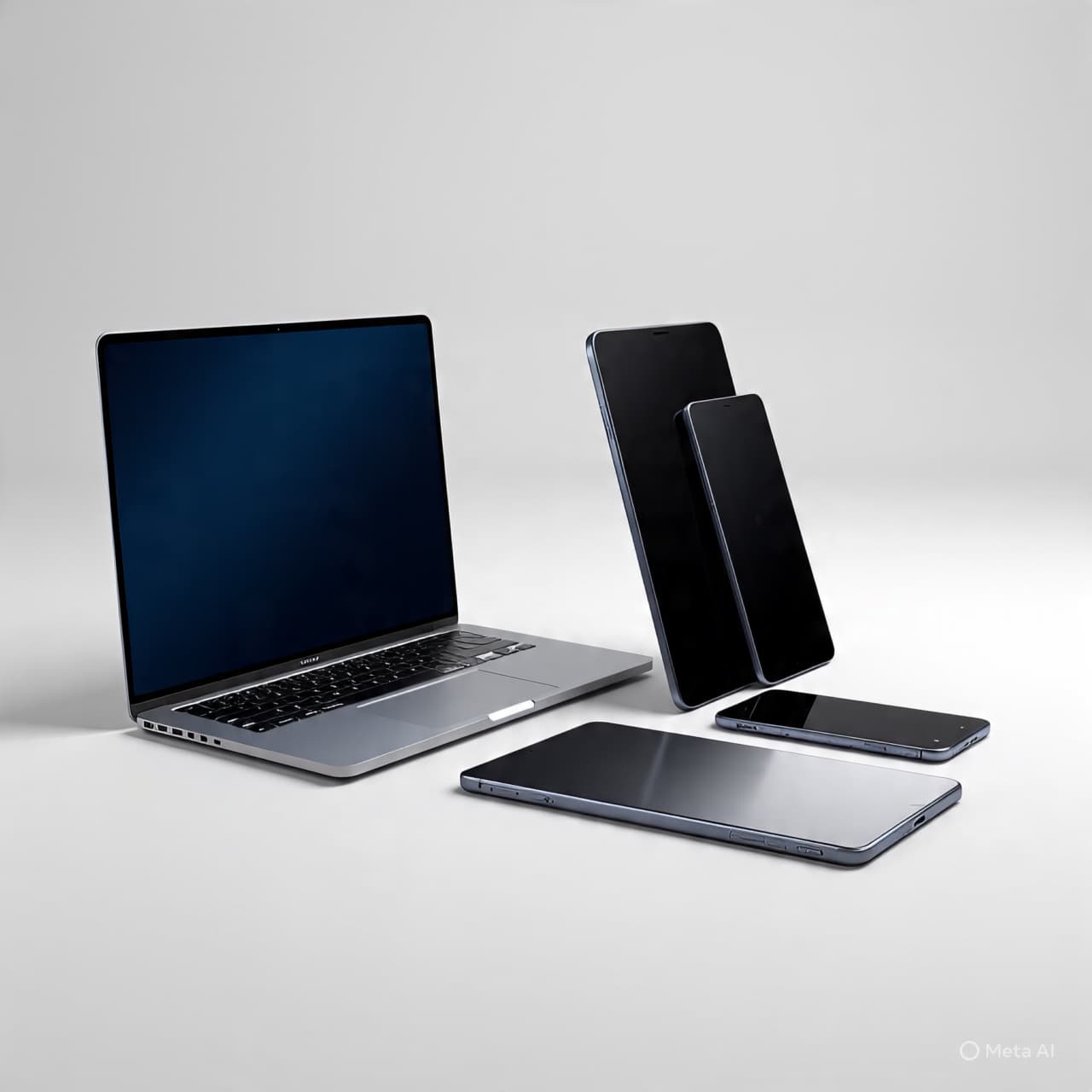
According to the most consistent reports from tech analysts and insiders, Apple plans to unveil at least five new products over this span. Topping the list is a newly designed low-cost MacBook — expected to be visually different from past models and potentially powered by an iPhone-derived chipset — a strategic move that may broaden Apple’s laptop lineup beyond the premium tier. Another expected device is the iPhone 17e, a mid-tier smartphone likely featuring upgraded chips and connectivity improvements over its predecessor.
Tablets appear poised to share the spotlight as well, with rumors suggesting refreshed iPad Air and entry-level iPad models moving to Apple’s more advanced processors. Meanwhile, Apple’s Mac lineup may continue its transition to next-generation silicon, with updated MacBook Air and MacBook Pro models powered by M5-series chips. Beyond laptops and mobile devices, reports also hint that Apple could introduce upgraded displays and other accessories, though analysts caution that not all rumored products may arrive within the same window.
Rather than revealing every detail in one keynote, Apple seems prepared to space out announcements through press releases and hands-on experiences. This staggered unveiling allows individual products to command attention while creating a sustained conversation over several days. For consumers, this means the coming week could offer a richer taste of Apple’s direction for 2026 — from affordable laptops to refreshed mobile and computing platforms.
Less certain are formal livestream plans; the company’s invitation language emphasizes the “experience” concept, signaling a possible pivot from broadcasted keynotes toward more intimate, in-person showcases. As always with pre-release reporting, specifics may shift, but the overarching theme is clear: Apple appears to be opening its first major product chapter of the year not in a single crescendo, but in a series of gentle reveals, each with its own moment to flourish.
This steady unveiling, if it plays out as expected, underscores how Apple is adapting its communication style to a world where anticipation and attention wander as quickly as feeds refresh. In letting each product have its turn, the company may be seeking not just to launch hardware, but to craft a more continuous conversation with its audience.
AI Image Disclaimer Illustrations were produced with AI and serve as conceptual depictions.
Sources Reuters Bloomberg The Verge Tom’s Guide MacRumors
Published by Banx Network. This article is part of the Banx decentralized media programme, powered by the BXE token on the XRP Ledger.