Sometimes, progress does not arrive with noise or spectacle. It moves quietly, like a tremor beneath the surface—felt more than heard. In the world of technology, where attention often follows flashing screens and bold promises, a subtle vibration is now drawing interest. Not from an earthquake beneath our feet, but from one engineered carefully onto a chip, no wider than a fingernail.
Researchers have recently learned how to create and guide microscopic acoustic waves across advanced semiconductor materials. These waves, barely perceptible even to the most sensitive instruments, behave much like ripples across water—except they travel through solid matter with remarkable precision. In this controlled movement, engineers see not chaos, but order: a new way to process signals, filter frequencies, and move information without relying solely on electricity.
Traditional electronic components have long depended on electrical currents flowing through ever-shrinking pathways. As devices become smaller and faster, those pathways begin to crowd, heat, and resist further miniaturization. Acoustic waves offer a different rhythm. Moving more slowly than electrons but with far greater control, they allow signals to be shaped, delayed, and refined in compact spaces that electricity alone struggles to manage.
On a smartphone-sized scale, the implications are quietly transformative. Filters that once required multiple components could be integrated directly onto a chip. Signal interference may be reduced not by brute force, but by elegance—by letting sound do what sound has always done well: resonate, separate, and carry meaning. In laboratories, prototypes suggest these acoustic systems can operate with lower power consumption while maintaining high performance, an appealing balance in an age defined by battery anxiety.
This approach also fits neatly into existing semiconductor manufacturing. Rather than demanding entirely new factories, the technology builds upon familiar processes, adjusting materials and designs to coax vibrations into predictable paths. That compatibility may explain why industry observers are paying attention, seeing not a distant experiment but a plausible next step.
For consumers, none of this will arrive as a headline feature. There will be no “acoustic mode” button or vibrating icon to announce its presence. Instead, phones may simply feel thinner, cooler, and quicker to respond. Signals may drop less often. Batteries may last a little longer. The tremor will pass unnoticed—except in its effects.
In the end, this innovation does not promise to shake the world. It merely suggests that even the smallest waves, when guided with care, can quietly reshape the ground beneath modern technology.
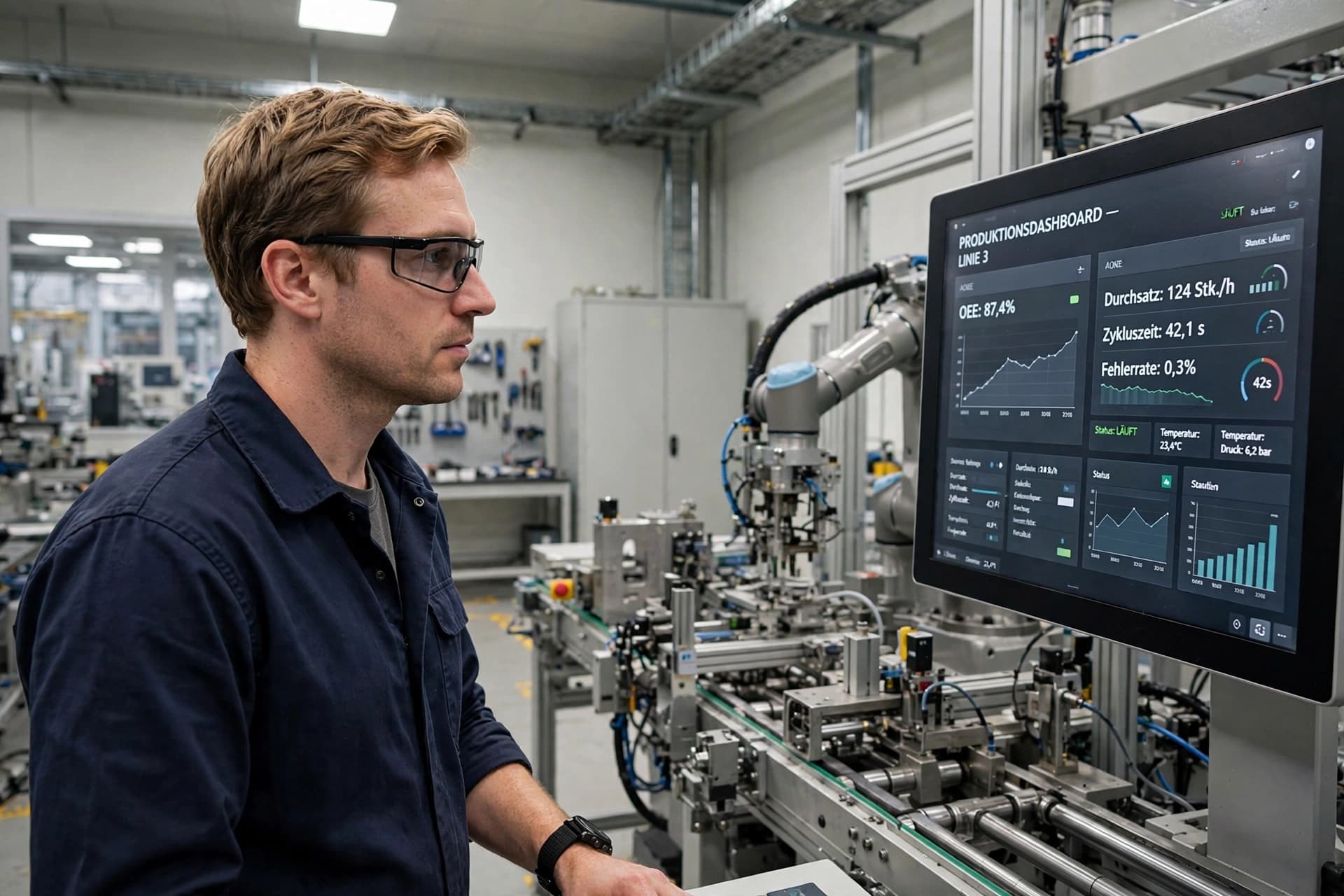
AI Image Disclaimer (Rotated Wording) Illustrations in this article are created using AI tools and are intended as conceptual representations, not real photographs.
Sources identified (media names only):
Nature MIT Technology Review IEEE Spectrum Nikkei Asia ScienceDaily
Published by Banx Network. This article is part of the Banx decentralized media programme, powered by the BXE token on the XRP Ledger.