The night sky often feels steady and familiar, yet under certain solar conditions it can transform into something far more dynamic. Forecasts of heightened geomagnetic activity have raised expectations for an unusually widespread aurora display.
Body: According to space weather monitoring centers, including NOAA’s Space Weather Prediction Center, increased solar activity may lead to geomagnetic storms capable of expanding auroral visibility far beyond typical polar regions.
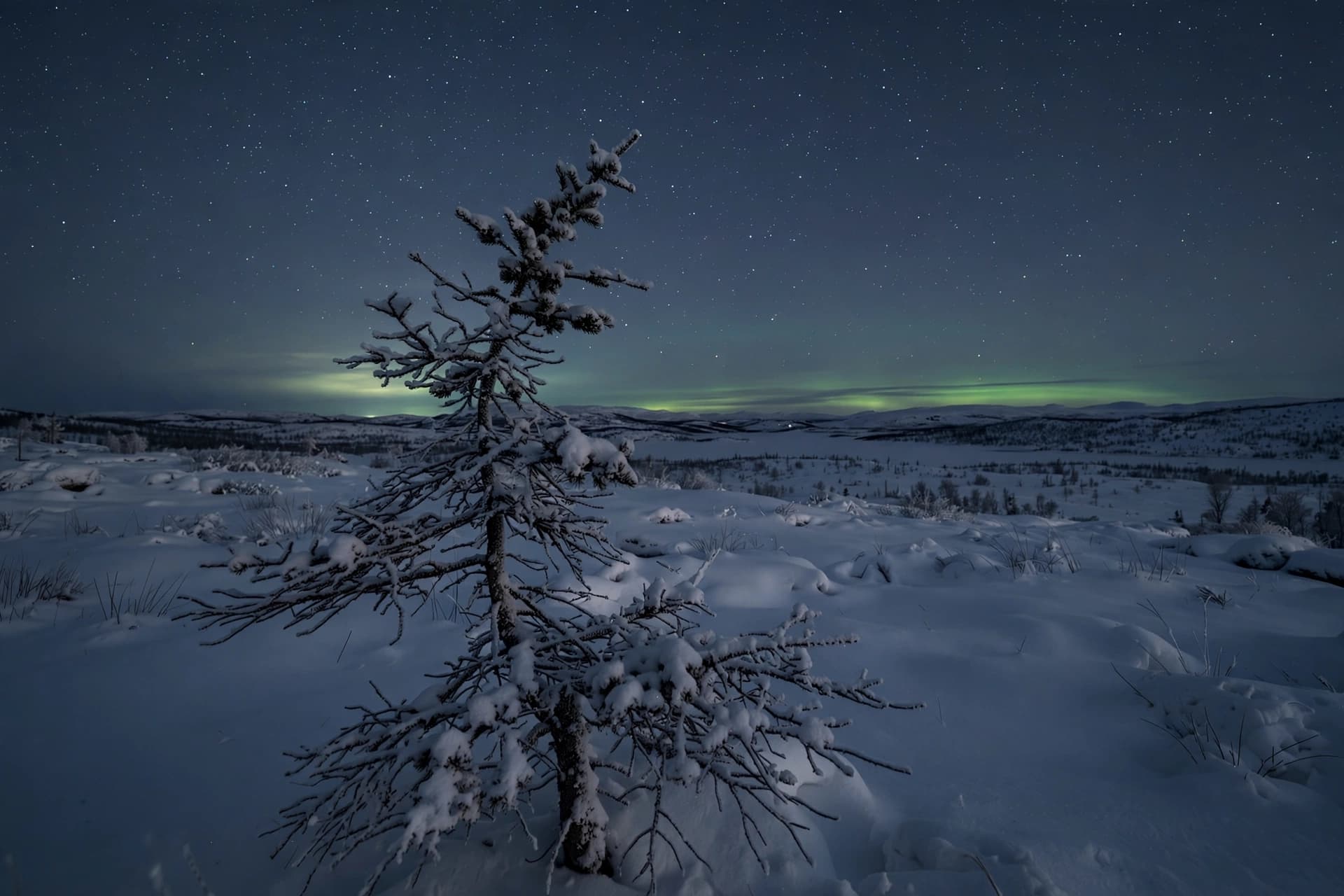
Auroras occur when charged particles from the Sun interact with Earth’s magnetic field, producing light emissions in the upper atmosphere. During strong solar events, this phenomenon can extend into lower latitudes.
Reports suggest that under favorable conditions, portions of up to 26 U.S. states may experience visibility of the Northern Lights, particularly in areas with low light pollution.
Scientists monitor solar flares and coronal mass ejections to predict the intensity and timing of these geomagnetic effects. These events are part of the Sun’s natural activity cycle.
Space weather experts emphasize that aurora forecasts depend on multiple variables, including magnetic field orientation and atmospheric conditions, making precise visibility predictions complex.
Public interest in aurora events often increases during stronger solar storms, as rare sightings create opportunities for widespread observation of natural space-weather interactions.
Astronomers and meteorologists encourage observers to seek dark-sky locations and clear weather conditions for optimal viewing if the aurora becomes visible.
Closing: As solar activity continues to be monitored, updates from space weather agencies will determine the final visibility range of the aurora event.
AI Image Disclaimer: Some visuals in this article are AI-generated for editorial illustration purposes.
Sources: NOAA Space Weather Prediction Center, NASA, Space.com, BBC Weather Science
Published by Banx Network. This article is part of the Banx decentralized media programme, powered by the BXE token on the XRP Ledger.