In the quiet hum of a laboratory, where microscopes glimmer like lighthouses and pipettes dance like raindrops, scientists sometimes glimpse solutions that once belonged only to the realm of imagination. Picture a world where soil‑dwelling microbes aren’t pests to be washed off our hands, but unlikely allies marshalled to help us confront one of humanity’s oldest foes — cancer. Today, researchers at the University of Waterloo are letting that vision take shape in the most literal of ways: by teaching bacteria to consume tumours from the inside out.
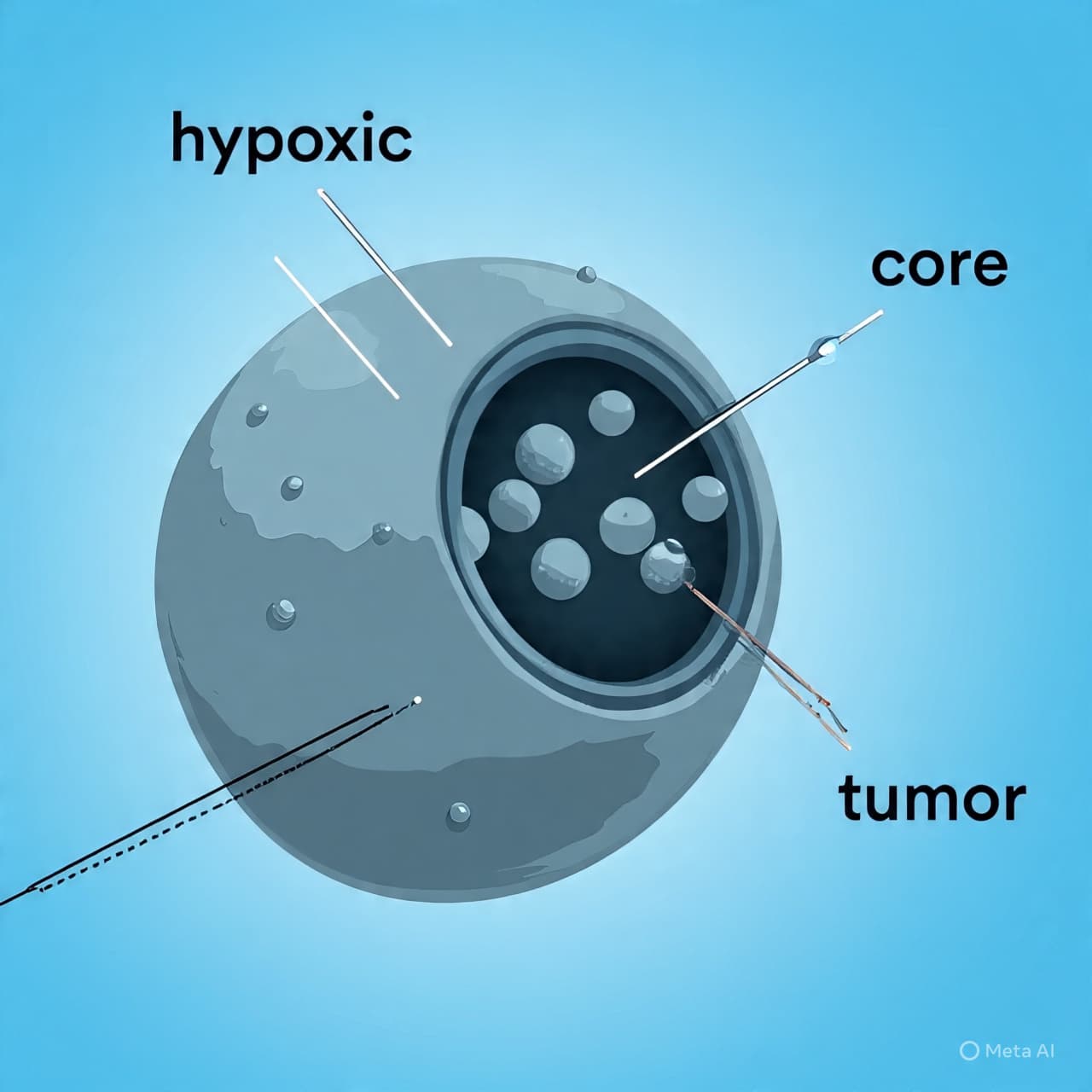
It began with a simple question — what if we could turn cancer’s own environment against it? Solid tumours, unlike healthy tissue, harbour regions so starved of oxygen that few living things can thrive there. Into these hypoxic cores, a soil bacterium called Clostridium sporogenes naturally sends its spores, thriving where oxygen cannot reach. Scientists realized this peculiar preference was not a bug — but a feature.
With careful engineering, the bacterium can be primed to colonize the tumour’s darkest depths, using the tumour’s own necrotic tissue as fuel. Early experiments show that once the spores find their niche, they begin to multiply, breaking down dead cells and metabolizing the tumour’s interior.
However, the task is not as simple as letting nature run its course. As these microbes reach the tumour’s outer edges, tiny pockets of oxygen can halt their progress. To overcome this, the researchers have added a carefully regulated oxygen‑tolerance gene, borrowed from a relative of the bacterium. This gene doesn’t turn on right away — it’s controlled by a bacterial “conversation” system called quorum sensing, which waits until enough bacteria are gathered before activating, reducing the risk of the microbes wandering into healthy tissue.
This approach doesn’t claim to be a silver bullet, and its translation from bench to bedside remains a journey of years rather than months. The team anticipates pre‑clinical trials in the coming years, potentially bringing this method closer to use in patients.
For now, it stands as a testament to human curiosity and ingenuity: a way of turning nature’s quirks into tools for healing, imagining not just how we fight disease, but how we can collaborate with life’s smallest architects on the grandest scales.
In the gentle turns of this scientific story, there are cautious hopes — not bold proclamations — that one day, perhaps, the earth beneath our feet will help us confront the mysteries within ourselves.
AI Image Disclaimer (rotated wording) “Visuals are created with AI tools and are not real photographs.”
Sources (media names only):
CityNews University of Waterloo News ScienceDaily Newsweek Phys.org
Published by Banx Network. This article is part of the Banx decentralized media programme, powered by the BXE token on the XRP Ledger.