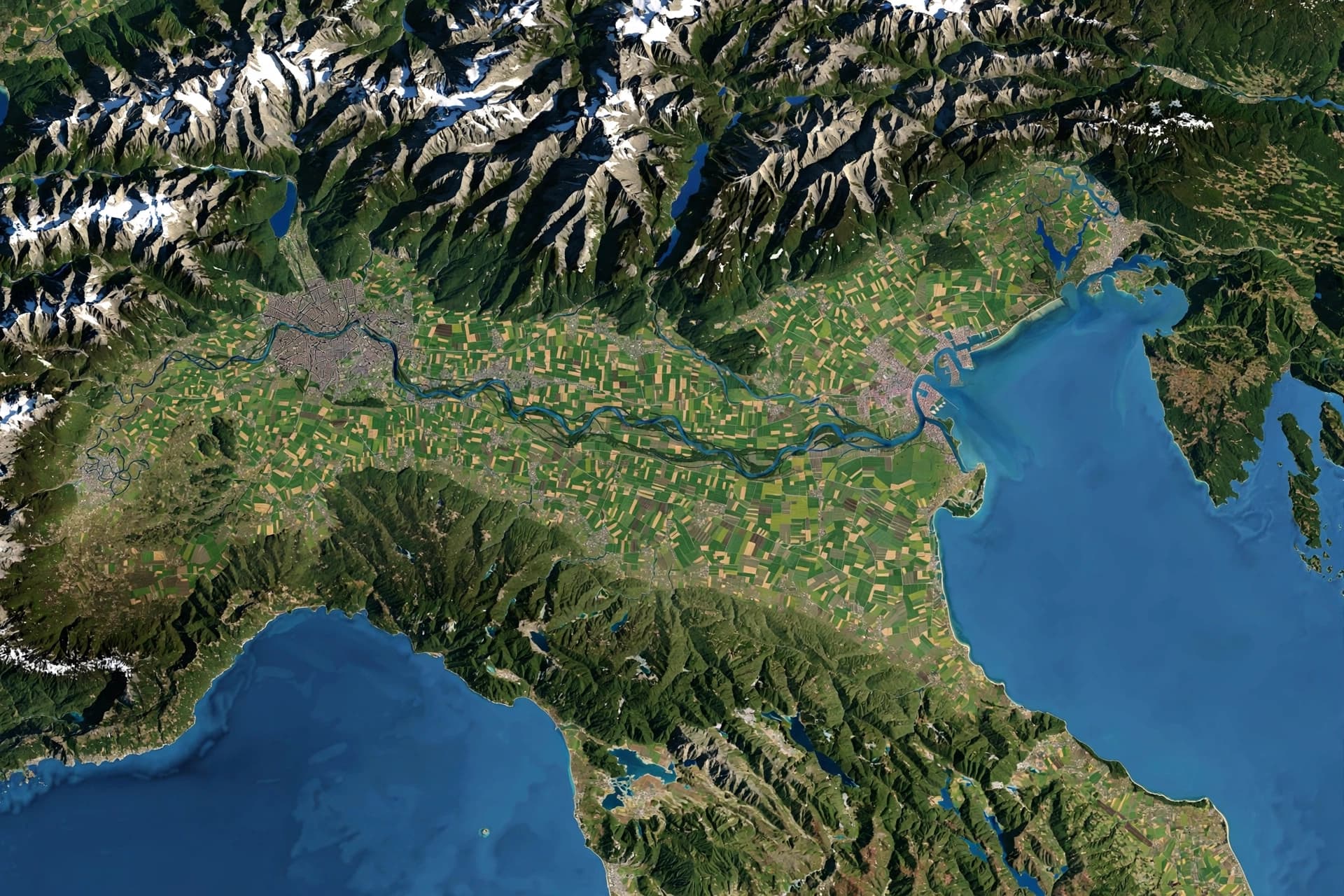
High mountains have long been places of serene beauty and whispered peril, where the thin air carries both ambition and vulnerability. In the stark winter of Austria’s Alpine heights, that duality has become the focal point of a courtroom in Innsbruck, where a tragic journey on snow‑covered rock has sparked deep reflection on risk, responsibility, and the boundary between personal passion and legal accountability.
In mid‑January 2025, a 33‑year‑old woman, Kerstin G, and her partner, Thomas Plamberger, set out together to climb Grossglockner, the highest peak in Austria. The ascent began with shared enthusiasm but met with worsening winter conditions — frigid temperatures, high winds, and the weight of altitude on weary limbs. As hours turned into a long night, Kerstin became exhausted and hypothermic, unable to continue the climb in severe conditions that tested even experienced mountaineers. ([turn0news0]turn0news8]
What followed is now the subject of a high‑profile trial at the Innsbruck Regional Court, where Thomas faces charges of gross negligent manslaughter. Prosecutors allege that as the more experienced climber and planner of the trip, he bore a greater responsibility for safety on the mountain. According to the prosecution’s account, he made multiple critical errors — starting late in the day, not carrying appropriate emergency gear, and failing to retreat when extreme weather made the route perilous. Most pointedly, they argue that he left Kerstin, exhausted and exposed, on the snow‑laden slope around 2 a.m. to seek help, and delayed in alerting rescue services until hours later. By the time emergency teams reached her the next morning, she had succumbed to hypothermia just meters from the summit. ([turn0news8]turn0news0]
In court, Thomas has denied criminal wrongdoing. His defense counsel, Kurt Jelinek, described the incident as a “tragic accident” — a series of unfortunate events under extreme conditions rather than a criminally negligent act. They argue that Kerstin had agreed to the climb and that both partners were prepared, though the rapid shift in weather and the exhaustion she suffered created circumstances neither could fully anticipate. In a statement relayed by his lawyer, Thomas expressed deep sorrow and extended his condolences to Kerstin’s family, saying he was “endlessly sorry” for how events unfolded. ([turn0news0]
The case has resonated beyond the confines of the courtroom, prompting discussions within Austria’s climbing community and among legal observers about how far criminal liability can extend in the context of personal adventure sports. Prosecutors maintain that his experience and role as “guide” for the climb imposed a duty of care, and that his decisions — from route planning to timing and emergency responses — fell short of that duty. If convicted, he could face a prison sentence of up to three years, a penalty prosecutors say reflects the severity of the outcome and the need for accountability. ([turn0news8]
The trial also features testimony from alpine experts and rescue personnel, adding depth to the factual record and underscoring the unpredictable nature of high‑altitude mountaineering. At the same time, Kerstin’s family has expressed a range of perspectives; her mother has publicly defended Thomas, characterizing the event as an unfortunate accident and rejecting portrayals that assign blame solely to him, saying the decisions made on the mountain were mutual. ([turn0news27]
Tragedies like this sit at the intersection of human aspiration and the immutable realities of nature. They remind us that alpine heights, while breathtaking, carry inherent risks that even experience does not fully mitigate. Yet the legal framework now in question highlights how judgment under stress — made far from courtroom clarity — becomes subject to scrutiny when the price paid is life itself.
As the trial continues, judges and the public alike watch closely, aware that the outcome may shape not only this family’s future but broader conversations about responsibility in extreme sports. Whatever the legal verdict, the Alpine landscape remains unchanged in its grandeur, yet forever shadowed by the memory of a climber who never made it down.
AI Image Disclaimer Pictures are AI-generated illustrations, intended to convey context rather than depict real events.
Sources The Guardian People Yahoo News aggregated reporting Asia Business Daily (translated reporting) Multiple regional outlets reporting trial details including The Times excerpts and Alpine expert commentary.
Published by Banx Network. This article is part of the Banx decentralized media programme, powered by the BXE token on the XRP Ledger.