The historic heart of a city is composed of more than just brick and mortar; it is a layered narrative of time, where each facade serves as a testament to the generations that walked these narrow streets before us. There is a distinct, heavy atmosphere that descends when that history is suddenly threatened by an elemental force like fire. It is a moment that disrupts the continuity of the past, transforming a familiar, beloved district into a landscape of soot, shadow, and uncertain futures.
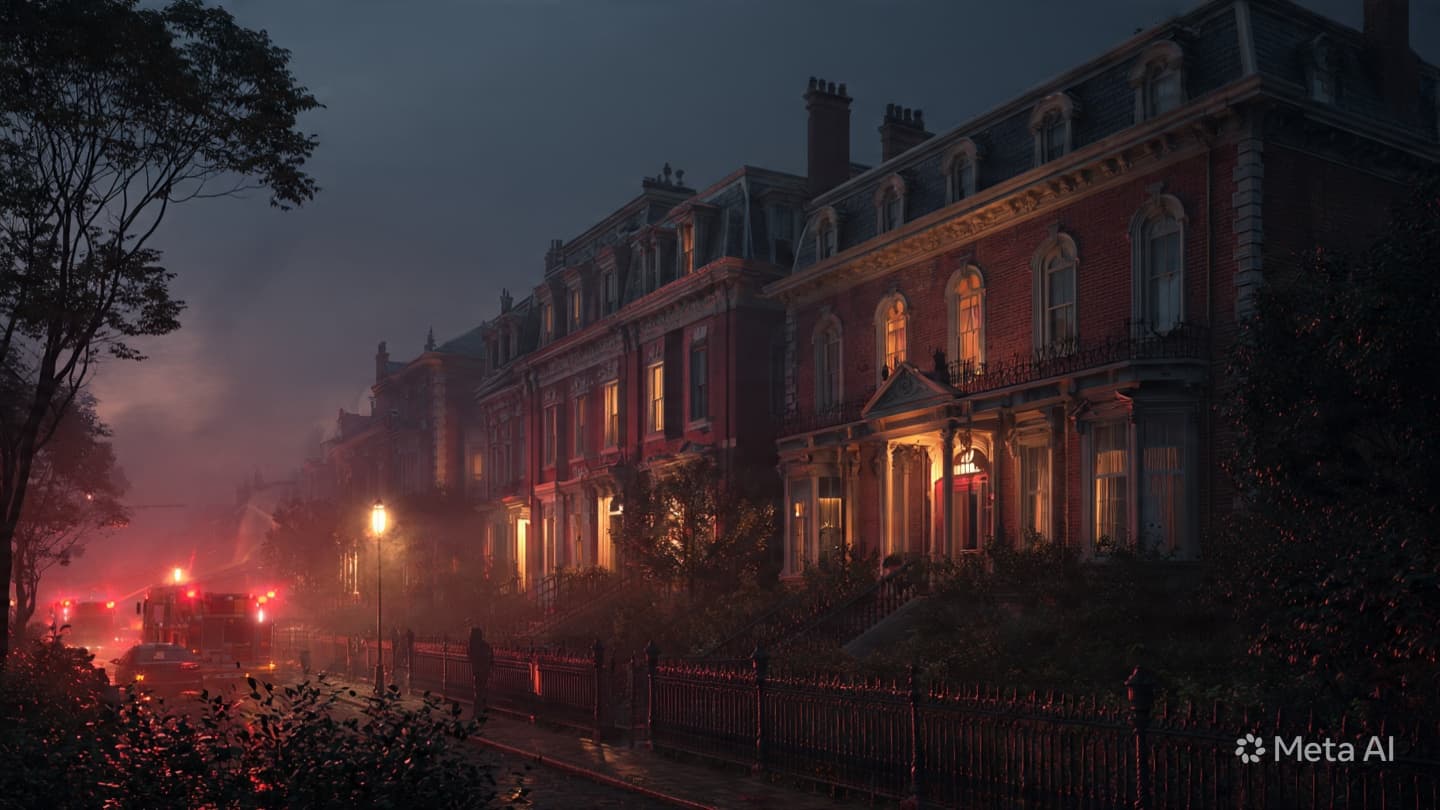
As the sun sets, the architecture that usually basks in the golden warmth of tradition takes on a stark, skeletal appearance under the glare of emergency floodlights. The fire, which once danced within the walls, has been quelled, yet the air remains thick with the scent of charcoal—a poignant reminder of the fragility inherent in our preserved heritage. These old buildings, while sturdy in their design, are vulnerable to the rapid, consuming nature of heat, serving as a solemn bridge between what was and what remains.
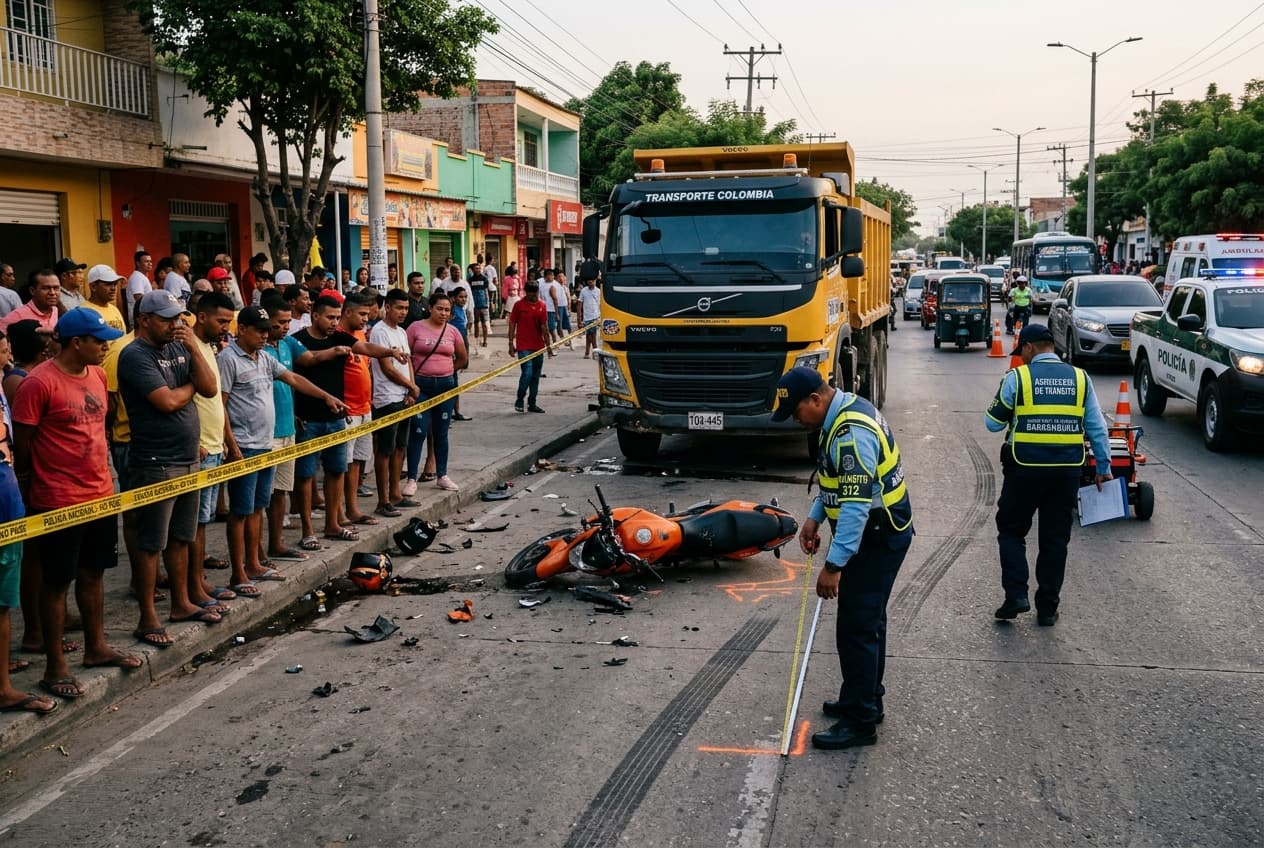
Families who have long called these districts home now find themselves standing at the edge of the police tape, observing the transition of their private lives into a public emergency. There is a profound silence in their presence, a reflection of the displacement that occurs when a sanctuary is lost to a disaster. This is not merely the loss of property, but the fragmentation of daily rhythms and the sudden erasure of a comfortable, historical domesticity.
The firefighters operate with a disciplined, rhythmic efficiency that stands in stark contrast to the unpredictability of the blaze they have just suppressed. Their movements are deliberate and steady, a testament to the training required to protect both the living and the legacies of the past. As they navigate the charred remnants, they act as guardians of the district's soul, carefully assessing what can be recovered and what must be surrendered to the ruins.
Watching the aftermath, one is struck by the resilience of the community. Even as the physical structures bear the scars of the night, the people begin the slow, methodical process of gathering the fragments of their routines. It is a quiet, collective endeavor, marked not by grand gestures, but by the small, necessary acts of checking on neighbors and stabilizing what remains of their hearths and homes.
The urban landscape will eventually be restored, as these districts have survived challenges throughout their long lives. Yet, the memory of the blaze remains etched into the collective experience, a chapter added to the ongoing biography of the neighborhood. It serves as a reminder that even the most enduring structures are merely stewards of time, requiring constant vigilance to protect them from the ephemeral, destructive nature of an uncontrolled fire.
As morning approaches, the light reveals the full extent of the damage, casting long shadows over the debris. The focus shifts toward recovery and the long-term work of rebuilding, a task that will demand both patience and an appreciation for the history that has been lost. It is a sobering conclusion to a night of chaos, leaving a community to find its way forward from the embers.
On June 22, 2026, a significant fire broke out in the historic district of Old Town, displacing several families as multiple structures sustained heavy damage. Local fire departments arrived at the scene shortly before midnight, working through the early morning hours to contain the blaze and prevent it from spreading to adjacent century-old properties. Emergency management teams have since set up temporary housing support for those affected, while building inspectors and heritage authorities begin the process of evaluating the structural integrity of the damaged sites to determine the feasibility of restoration.
Published by Banx Network. This article is part of the Banx decentralized media programme, powered by the BXE token on the XRP Ledger.